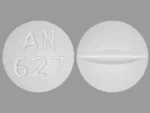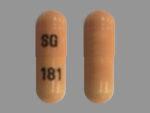
A cough that will not quit, a tight chest, maybe a fever: it is natural to want an antibiotic and to want it now. Clarithromycin is one of the drugs doctors reach for when a chest infection is bacterial, particularly pneumonia caused by “atypical” germs and flare-ups of chronic bronchitis. But it is also one of the drugs most often prescribed when it will not help, because the most common chest infection of all, acute bronchitis, is usually viral.
This guide to clarithromycin for pneumonia and bronchitis follows the path a patient actually takes: figuring out which chest infection you have, deciding whether an antibiotic is needed, understanding where clarithromycin fits in current guidelines, and knowing what recovery should look like week by week. We close with the red flags that mean you should not wait.
Step 1: Which Chest Infection Is It?
“Chest infection” is a loose term. Three conditions account for most of them, and they are treated very differently.
| Acute bronchitis (“chest cold”) | Flare of chronic bronchitis / COPD | Community-acquired pneumonia | |
|---|---|---|---|
| Where the problem is | Swollen airways (bronchi) | Already-damaged airways that worsen suddenly | Infection in the air sacs (alveoli) of the lung |
| Usual cause | Viruses | Viruses or bacteria, plus triggers like pollution | Bacteria or viruses; Streptococcus pneumoniae is the most common bacterial cause |
| Typical symptoms | Cough with or without mucus, chest soreness, tiredness, mild aches | More breathlessness, more sputum, change in sputum color | Fever, chills, cough, fast breathing, chest pain on breathing, feeling quite unwell |
| Does an exam or X-ray show lung changes? | No | Usually no new pneumonia | Yes (crackles, X-ray shadow) |
| Are antibiotics usually needed? | No | Sometimes | Yes, when bacterial infection is likely |
A doctor tells these apart with your history, temperature, breathing rate, oxygen level, and listening to your chest. A chest X-ray confirms pneumonia. Your symptoms alone can be misleading: a cough with green or yellow mucus does not on its own mean a bacterial infection.
What happens at the appointment
Depending on how unwell you are, your clinician may:
- Measure temperature, heart rate, breathing rate, blood pressure, and oxygen saturation with a finger clip.
- Listen to your chest for crackles or reduced breath sounds.
- Order a chest X-ray to confirm or rule out pneumonia.
- Test for viruses such as influenza, COVID-19, or RSV, which may change treatment.
- In hospital or more severe cases, take blood tests, blood cultures, a sputum sample, or urine tests for Legionella and pneumococcal antigens.
Bring a list of your medicines. If clarithromycin is being considered, your medication list and heart history directly affect whether it is the right choice.
Step 2: Do You Need an Antibiotic at All?
Acute bronchitis: almost always no
The CDC is clear that viruses usually cause chest colds and that antibiotics will not help you feel better, even in the occasional case where bacteria are involved. Symptoms usually last less than three weeks, though a cough can linger longer. Taking clarithromycin for a chest cold exposes you to its taste changes, stomach upset, interactions, and heart warnings with no benefit, and it adds to antibiotic resistance.
What helps instead: rest, fluids, honey for cough in adults and children over one year, humidified air, and simple pain relief for chest soreness. Avoid smoke.
Flare-ups of chronic bronchitis or COPD: sometimes
For people with COPD or chronic bronchitis, an antibiotic is generally considered when a flare brings increased sputum purulence (thicker, discolored mucus) along with more breathlessness or more sputum, or when the flare is severe enough to need hospital care. Clarithromycin is approved for this use when caused by Haemophilus influenzae, Moraxella catarrhalis, or Streptococcus pneumoniae. Amoxicillin, amoxicillin-clavulanate, and doxycycline are common alternatives, and local resistance often decides between them.
Pneumonia: usually yes
When pneumonia is diagnosed and a bacterial cause is plausible, antibiotics are started promptly. Here clarithromycin has a defined, though narrower than it used to be, role.
Step 3: Where Clarithromycin Fits in Pneumonia Treatment
The key US document is the 2019 American Thoracic Society and Infectious Diseases Society of America guideline on community-acquired pneumonia (CAP) in adults. Here is how clarithromycin fits into it, in plain terms.
Healthy adults treated at home
| Option | Guideline wording (paraphrased) |
|---|---|
| Amoxicillin 1 g three times daily | First option listed |
| Doxycycline 100 mg twice daily | Alternative |
| A macrolide alone: clarithromycin 500 mg twice daily, clarithromycin extended-release 1,000 mg once daily, or azithromycin | Only in areas where pneumococcal resistance to macrolides is below 25% |
That 25% threshold is the crucial detail. A national analysis of US laboratory data found that most regions exceeded it, and that respiratory isolates exceeded it everywhere. In practice, clarithromycin alone is now an uncommon first choice for pneumonia in most of the US.
Adults with chronic illness treated at home
For outpatients with conditions such as chronic heart, lung, liver, or kidney disease, diabetes, alcohol use disorder, cancer, or no functioning spleen, the guideline recommends either:
- A beta-lactam (such as amoxicillin-clavulanate or a cephalosporin like cefpodoxime or cefuroxime) plus a macrolide (clarithromycin or azithromycin) or doxycycline; or
- A respiratory fluoroquinolone (levofloxacin or moxifloxacin) alone.
In the combination, the beta-lactam handles pneumococcus and similar bacteria, while clarithromycin covers atypical germs such as Mycoplasma, Chlamydophila, and Legionella. Our clarithromycin vs amoxicillin comparison explains why each drug covers what the other misses.
Adults admitted to hospital
For non-severe and severe inpatient pneumonia, a beta-lactam such as ceftriaxone plus a macrolide is a standard regimen, with the guideline noting stronger evidence for the beta-lactam/macrolide combination in severe pneumonia. Azithromycin is the macrolide more commonly used in US hospitals, partly because it is available intravenously and has fewer interactions, but clarithromycin is an accepted alternative in the guideline.
How long is treatment?
The guideline recommends a minimum of five days of antibiotics for adults with CAP, continuing until you are clinically stable (normal temperature, heart rate, breathing rate, blood pressure, oxygen level, and ability to eat and think clearly). Clarithromycin courses for pneumonia often run 7 days, and sometimes longer for specific germs such as Legionella. Your prescriber will tell you the planned length. See our clarithromycin dosage guide for schedules and missed-dose rules.
Walking Pneumonia: Clarithromycin’s Natural Territory
“Walking pneumonia” usually refers to milder pneumonia caused by Mycoplasma pneumoniae. It is common in school-age children, teenagers, and young adults, and tends to cause a persistent dry cough, headache, sore throat, and fatigue more than high fever. Because Mycoplasma has no cell wall, amoxicillin has no effect on it. Macrolides such as clarithromycin and azithromycin, or doxycycline in adults and older children, are the usual treatments.
One caution: macrolide-resistant Mycoplasma is widespread in parts of Asia and has appeared in the US. If symptoms are not improving after about 48 to 72 hours on a macrolide, contact your clinician. For the azithromycin side of this story, see azithromycin for pneumonia.
Whooping Cough and Other Special Cases
- Pertussis (whooping cough): macrolides are the treatment of choice. Azithromycin is generally preferred, but clarithromycin is an accepted alternative for older children and adults. Treatment mainly shortens contagiousness; the cough itself can last weeks.
- Legionnaires’ disease: macrolides and fluoroquinolones are both effective; azithromycin and levofloxacin are most commonly used.
- Nontuberculous mycobacterial lung disease: clarithromycin or azithromycin forms the backbone of long multi-drug regimens. This is a very different, months-long treatment managed by specialists.
Before You Start: Three Clarithromycin Safety Checks
Pneumonia most often hits older adults and people with chronic illness, exactly the groups most affected by clarithromycin’s cautions. Run through these checks with your prescriber or pharmacist:
- Heart history. The FDA advises caution in people with heart disease because of a long-term mortality signal, and clarithromycin can prolong the QT interval. See clarithromycin heart risks.
- Medication list. Statins, calcium channel blockers, blood thinners, sedatives, and diabetes medicines often need adjusting. See clarithromycin drug interactions.
- Kidney function. Severe kidney impairment usually means half the dose.
If any of these raise concerns, alternatives such as doxycycline, azithromycin, or a fluoroquinolone may be chosen instead, depending on your situation. Compare the macrolides in azithromycin vs clarithromycin.
Side Effects to Expect During Pneumonia Treatment
When you are already feeling unwell, it can be hard to tell which symptoms come from pneumonia and which from the medicine. With clarithromycin, the usual suspects are:
- A metallic or bitter taste, often from the first day. Harmless but persistent.
- Nausea, stomach pain, or loose stools. Taking doses with food helps.
- Headache and trouble sleeping. Pneumonia itself also disrupts sleep.
- Dizziness, which can also come from fever, dehydration, or low blood pressure.
Symptoms that are not typical side effects, such as fainting, a pounding or irregular heartbeat, a spreading rash, or yellowing skin, need prompt medical review. Our clarithromycin side effects guide covers these in depth.
From Hospital to Home
If you were treated in hospital, you may start on intravenous antibiotics and switch to tablets once you are stable, eating, and able to absorb oral medicines. A beta-lactam plus a macrolide in hospital may become an oral combination, or a single oral drug, at discharge. Before you leave, make sure you know which antibiotics to continue, for how many more days, which of your regular medicines were paused or changed, and when to follow up. Bring that information to your primary care appointment.
Step 4: The Recovery Clock
Many people expect to feel normal within a few days of starting antibiotics. With pneumonia, that is rarely the case. The UK’s NICE pneumonia guideline gives patients a realistic timeline, which we summarize below alongside what to expect on clarithromycin.
| Time since starting treatment | What to expect |
|---|---|
| Days 1 to 3 | Fever usually starts to come down; you may still feel very tired. Metallic taste or nausea from clarithromycin may appear. |
| Around day 3 | A key checkpoint. If you are not improving, or are getting worse, contact your clinician. |
| 1 week | Fever should have resolved. |
| 4 weeks | Chest pain and mucus production should be substantially reduced. |
| 6 weeks | Cough and breathlessness should be substantially reduced. |
| 3 months | Most symptoms resolved, though tiredness may linger. |
| 6 months | Most people feel back to normal. |
A lingering cough at week three is normal and is not a sign that clarithromycin failed. Asking for a second antibiotic for an improving but slow-to-clear cough usually adds side effects without benefit. If breathlessness during recovery comes with racing thoughts or panic, our article on whether anxiety can cause shortness of breath may help you understand the overlap, but new or worsening breathlessness always deserves a medical check.
Making the recovery easier
- Rest, and increase activity gradually.
- Drink plenty of fluids, especially with fever.
- Use acetaminophen or ibuprofen for fever and chest pain if suitable for you; both are compatible with clarithromycin.
- Avoid smoking and secondhand smoke.
- Take clarithromycin with food if it upsets your stomach (extended-release tablets must be taken with food).
- Manage the metallic taste with mints, cold drinks, and frequent tooth brushing; see clarithromycin side effects.
- Keep alcohol minimal while you recover; see clarithromycin and alcohol.
Not Improving on Clarithromycin? Possible Reasons
If you are not better after about three days, it does not automatically mean you need a stronger antibiotic. Common explanations include:
- A viral cause: influenza, COVID-19, RSV, and other viruses do not respond to antibiotics.
- Resistant bacteria: pneumococcal or Mycoplasma strains resistant to macrolides.
- A germ clarithromycin does not cover: such as some Gram-negative bacteria or MRSA.
- A complication: fluid around the lung (pleural effusion), a lung abscess, or empyema.
- A different diagnosis: heart failure, a blood clot in the lung, or asthma can mimic chest infection.
- Missed doses or vomiting: the drug may not be reaching effective levels.
Your clinician may re-examine you, repeat the X-ray, or change treatment based on what they find.
Older Adults: Extra Considerations
Pneumonia in people over 65 can look different. Fever may be absent, and confusion, falls, loss of appetite, or simply “not being themselves” may be the main signs. Older adults are also more likely to be on statins, blood pressure drugs, blood thinners, and other medicines that interact with clarithromycin, and more sensitive to its QT effects. Caregivers should keep an up-to-date medication list handy and watch closely for dizziness, low blood pressure, and reduced urine output during treatment.
Returning to Work, School, and Exercise
- Work or school: most people with pneumonia need at least several days at home. Return when your fever has been gone for at least 24 hours without fever-reducing medicine and you feel able to function.
- Contagiousness: depends on the cause. Bacterial pneumonia is usually much less contagious after one to two days of effective antibiotics, but viral causes follow their own timelines.
- Exercise: start with short walks and build up over weeks. Avoid strenuous exercise until breathlessness and fatigue have clearly improved, and stop if you feel chest pain or palpitations.
- Follow-up: some people, especially smokers and those over 50, may be offered a repeat chest X-ray several weeks later to make sure the lung has cleared.
Step 5: Red Flags That Need Urgent Care
Doctors often use a quick score called CRB-65 to judge pneumonia severity: Confusion, Respiratory rate of 30 or more breaths per minute, low Blood pressure, and age 65 or older. Each one raises concern. At home, seek emergency care (call 911) if you or someone you care for has:
- Severe shortness of breath, or breathing that is very fast.
- Bluish lips or fingertips, or oxygen saturation that is low on a home monitor.
- New confusion, extreme drowsiness, or difficulty waking.
- Chest pain that is severe or crushing.
- Coughing up significant amounts of blood.
- Fainting, or a very fast or irregular heartbeat while on clarithromycin.
Contact your doctor promptly (same day) if:
- Fever has not improved after 48 to 72 hours of antibiotics.
- You cannot keep fluids or tablets down.
- Diarrhea is severe, watery, or bloody.
- A new rash, yellowing of the skin, or dark urine appears.
- A chest cold has lasted more than three weeks, or keeps coming back.
A Simple Home Recovery Tracker
Writing a few numbers down each day makes it easier to spot improvement, or a problem, and gives your clinician clear information if you call.
| Check | What to record | When to call |
|---|---|---|
| Temperature | Morning and evening | Still 100.4°F (38°C) or higher after 48 to 72 hours of antibiotics |
| Breathing | Breaths per minute at rest; how far you can walk | Getting faster or more labored, or breathless at rest |
| Oxygen (if you have a pulse oximeter) | Reading at rest | Falling, or below the level your clinician gave you |
| Fluids and food | Roughly how much you drink and eat | Unable to keep fluids down |
| Doses | Tick each clarithromycin dose | Missed doses or vomiting after doses |
| Side effects | Taste, stomach, sleep, heartbeat | Severe diarrhea, rash, palpitations, fainting |
Smokers and Vapers
Smoking damages the tiny hair-like cilia that sweep mucus and germs out of the airways, which increases the risk of pneumonia and slows recovery from it. A chest infection is a powerful moment to quit: the cough is often worse when you smoke, and many people find their first smoke-free days easier when they already feel unwell. Ask your clinician about nicotine replacement or other support. Note that some stop-smoking medicines and nicotine products are fine alongside clarithromycin, but always mention them on your medication list.
Children With Chest Infections
In children, pneumonia guidelines generally favor amoxicillin as the first choice for presumed bacterial pneumonia, with a macrolide reserved for school-age children and adolescents when atypical infection is suspected. Clarithromycin suspension is dosed at about 7.5 mg per kg every 12 hours, and its bitter taste can be a challenge. Most childhood coughs and wheezy chest illnesses are viral and do not need antibiotics. For comparison, see azithromycin for kids.
Prevention: The Best Chest Infection Is the One You Never Get
- Pneumococcal vaccines are recommended for older adults and people with certain chronic conditions; check with your clinician whether you are due.
- Annual flu vaccine, since influenza often leads to bacterial pneumonia.
- COVID-19 and RSV vaccines as recommended for your age and health status.
- Pertussis (Tdap) vaccination, including during each pregnancy to protect newborns.
- Stop smoking, which damages the airway’s natural cleaning system.
- Handwashing and staying home when sick to limit spread.
For general background on pneumonia, MedlinePlus offers reliable patient information.
Frequently Asked Questions
Is clarithromycin good for pneumonia?
It is effective against many pneumonia germs, especially atypical ones. But because pneumococcal resistance to macrolides is high in much of the US, current guidelines use it alone only in low-resistance areas and more often pair it with a beta-lactam such as amoxicillin-clavulanate.
Will clarithromycin help my bronchitis?
For acute bronchitis (a chest cold), almost certainly not, because it is usually viral. For a bacterial flare of chronic bronchitis or COPD, clarithromycin is one of several reasonable options.
How quickly does clarithromycin work for a chest infection?
Most people with bacterial pneumonia start to feel better within two to three days, with fever settling first. Cough and fatigue take weeks to fully resolve.
Can I stop clarithromycin when I feel better?
Follow your prescriber’s planned course. For pneumonia, the minimum is usually five days and until you are stable. Do not stop early on your own.
Why was I given two antibiotics for pneumonia?
If you have chronic health conditions or more severe illness, combining a beta-lactam with clarithromycin covers both typical and atypical bacteria until the cause is clearer.
The Bottom Line
Clarithromycin earns its place for bacterial pneumonia, especially atypical “walking” pneumonia and as a partner drug in people with chronic illness, and for selected flares of chronic bronchitis. It does not help ordinary chest colds. Rising macrolide resistance means it is used alone less often than before, and its heart and interaction cautions matter most for the older and sicker patients who get pneumonia most. Know which chest infection you have, take the course as directed, expect a slow-fading cough, and act fast on red flags. For a complete picture of the drug, read our clarithromycin uses guide.
This article is for general information and does not replace evaluation by a healthcare professional. If you have trouble breathing, call 911.