

Description
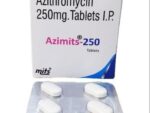
Azithromycin 500 mg is a macrolide antibiotic used to treat certain bacterial infections. It works by inhibiting bacterial protein synthesis, which helps stop the growth of susceptible bacteria. Azithromycin is available in different formulations and strengths and should be used only according to a healthcare professional’s instructions. Don’t wait for symptoms to worsen—buy Azithromycin 500 mg now and take the first step toward a healthier tomorrow.
Azithromycin 500 mg Uses
Azithromycin 500 mg uses may include the treatment of certain bacterial infections affecting the respiratory tract, skin and soft tissues, and other areas of the body when the causative bacteria are susceptible to azithromycin. A healthcare professional may prescribe Azithromycin 500 mg tablets for specific bacterial infections after considering the patient’s symptoms, medical history, and other medicines they are taking.
Common Uses of Azithromycin 500 mg
- Certain bacterial respiratory tract infections
- Certain bacterial skin and soft-tissue infections
- Some sexually transmitted bacterial infections, when clinically appropriate
- Other susceptible bacterial infections as determined by a healthcare professional
Azithromycin 500 mg is not effective against viral infections, such as the common cold or influenza.
How Does Azithromycin 500 mg Work?
Azithromycin 500 mg belongs to a group of antibiotics called macrolides. It works by interfering with bacterial protein production, which prevents susceptible bacteria from multiplying. The medicine should be taken for the full duration prescribed by your doctor, even if you start feeling better before the course is complete.
Azithromycin 500 mg Dosage
The appropriate Azithromycin 500 mg dosage depends on the type and severity of the infection, the patient’s age and health status, and other clinical factors. Do not change the dose, frequency, or duration of Azithromycin 500 mg treatment without consulting your healthcare professional. Different infections may require different dosing schedules.
How to Take Azithromycin 500 mg
Take Azithromycin 500 mg tablets exactly as prescribed.
- Swallow the tablet with water.
- Follow the dosing schedule provided by your healthcare professional.
- Do not take extra tablets to make up for a missed dose.
- Complete the prescribed course unless your healthcare professional tells you otherwise.
- Follow any specific instructions regarding food or other medicines.
If you miss a dose of Azithromycin 500 mg, take it when you remember unless it is nearly time for your next scheduled dose. Avoid taking two doses together unless specifically instructed by a healthcare professional.
Azithromycin 500 mg Side Effects
Like other medicines, Azithromycin 500 mg may cause side effects. Common side effects can include:
- Nausea
- Diarrhea
- Stomach discomfort or abdominal pain
- Vomiting
- Headache
Seek urgent medical attention if you develop signs of a serious allergic reaction, severe or persistent diarrhea, fainting, or symptoms that could indicate an abnormal heart rhythm.
Azithromycin 500 mg Precautions
Before taking Azithromycin 500 mg, tell your healthcare professional if you have:
- A history of allergy to azithromycin, erythromycin, or other macrolide antibiotics
- Liver problems
- Heart rhythm problems or a history of prolonged QT interval
- Low potassium or magnesium levels
- Myasthenia gravis
- A history of antibiotic-associated diarrhea
Tell your doctor or pharmacist about all prescription medicines, over-the-counter medicines, and supplements you use because Azithromycin 500 mg drug interactions can occur with certain medicines.
Azithromycin 500 mg and Other Medicines
Some medicines may interact with azithromycin or increase the risk of side effects. Your healthcare professional should review your current medicines before starting treatment.
Do not start, stop, or change another medicine while taking Azithromycin 500 mg without professional medical advice.
Frequently Asked Questions
What is Azithromycin 500 mg used for?
Azithromycin 500 mg is used to treat certain bacterial infections caused by bacteria that are susceptible to azithromycin. It should not be used to treat viral infections unless specifically directed for another clinical reason.
How long does Azithromycin 500 mg take to work?
You may begin to feel better within a few days, depending on the infection and your individual response. Continue taking Azithromycin 500 mg exactly as prescribed even if your symptoms improve.
Can I take Azithromycin 500 mg for a cold?
No. Azithromycin 500 mg for a cold is generally not appropriate because most colds are caused by viruses, and antibiotics do not treat viral infections.
Can I stop Azithromycin 500 mg when I feel better?
Do not stop treatment on your own. Follow the duration prescribed by your healthcare professional.
Is Azithromycin 500 mg available without a prescription?
Availability and prescription requirements vary by country. Because inappropriate antibiotic use can contribute to antibiotic resistance and treatment failure, Azithromycin 500 mg should be used under appropriate medical guidance.



Reviews
There are no reviews yet.