

Description
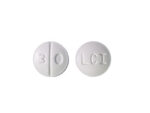
Clindamycin 150mg is a prescription antibiotic belonging to the lincosamide class of medicines. It is used to treat certain bacterial infections when a healthcare professional determines that clindamycin is an appropriate treatment.
Clindamycin does not treat viral infections such as the common cold or influenza. Antibiotics should be used only when medically indicated. Don’t let infections hold you back — consult your doctor before purchasing Clindamycin 300mg online today and take the first step toward recovery.
What Is Clindamycin 150mg Used For?
Clindamycin may be prescribed for certain susceptible bacterial infections, including infections involving:
- Skin and soft tissues
- Bones and joints
- Certain dental or oral infections
- Certain respiratory infections
- Other susceptible bacterial infections
The appropriate antibiotic depends on the type and severity of infection, the suspected bacteria, local resistance patterns, and the patient’s medical history.
How Does Clindamycin Work?
Clindamycin works by interfering with bacterial protein production. This prevents susceptible bacteria from growing and multiplying, helping the body’s immune system control the infection. It is effective against certain bacteria but is not appropriate for every type of bacterial infection.
Clindamycin 150mg Dosage
The appropriate dose and treatment duration depend on the type and severity of infection and individual patient factors. Take clindamycin exactly as prescribed by your doctor. Do not increase the dose, take it more frequently, or continue treatment longer than recommended without medical advice. Follow your healthcare professional’s instructions regarding the duration of the prescribed antibiotic course.
How to Take Clindamycin 150mg
If you are taking oral clindamycin capsules, swallow them with a full glass of water. This helps reduce the risk of irritation to the oesophagus.
Follow the directions provided with your specific medicine. Do not lie down immediately after taking the capsule unless your healthcare professional advises otherwise.
Possible Side Effects
Possible side effects of clindamycin may include:
- Nausea
- Vomiting
- Abdominal discomfort
- Diarrhoea
- Skin rash
- Unpleasant or metallic taste
Clindamycin is particularly associated with antibiotic-associated diarrhoea, including infection caused by Clostridioides difficile (C. difficile).
Contact a healthcare professional promptly if you develop severe, persistent, or bloody diarrhoea during treatment or after completing treatment.
Important Safety Information
Do not ignore significant diarrhoea while taking clindamycin or after finishing treatment. Antibiotic-associated C. difficile infection can sometimes occur during treatment or weeks afterward. Tell your healthcare professional if you have previously experienced antibiotic-associated colitis or serious gastrointestinal problems following antibiotic treatment.
Seek urgent medical attention if you develop signs of a severe allergic reaction, such as difficulty breathing, facial swelling, or a severe widespread rash.
Clindamycin and Antibiotic Resistance
Unnecessary antibiotic use contributes to antibiotic resistance. Clindamycin should be used only when a bacterial infection is suspected or confirmed and when it is considered an appropriate treatment. Do not use leftover antibiotics or share your antibiotics with another person.
Clindamycin and Other Medicines
Tell your doctor or pharmacist about all prescription medicines, over-the-counter medicines, supplements, and herbal products you use. Clindamycin can interact with certain medicines and may be particularly relevant for people taking medicines that affect neuromuscular transmission. Your healthcare professional can review your current medicines before treatment.
Before Taking Clindamycin 150mg
Tell your healthcare professional if you have:
- A history of antibiotic-associated diarrhoea or colitis
- Gastrointestinal disease
- Liver problems
- An allergy to clindamycin or related antibiotics
- Other significant medical conditions
Also tell your doctor if you are pregnant, planning pregnancy, or breastfeeding.
Clindamycin During Pregnancy and Breastfeeding
If you are pregnant, planning pregnancy, or breastfeeding, discuss clindamycin with your healthcare professional before starting treatment.
Your doctor will consider the potential benefits and risks based on the infection and your individual circumstances.
Frequently Asked Questions
What is Clindamycin 150mg?
Clindamycin 150mg is a prescription antibiotic used to treat certain bacterial infections.
What is Clindamycin 150mg used for?
It may be prescribed for certain susceptible infections affecting areas such as the skin and soft tissues, bones and joints, mouth and teeth, and respiratory system.
Does Clindamycin treat viral infections?
No. Clindamycin is an antibiotic and does not treat viral infections such as colds or influenza.
Can Clindamycin cause diarrhoea?
Yes. Diarrhoea is a possible side effect, and clindamycin has a particularly important association with C. difficile infection. Severe or persistent diarrhoea should be evaluated by a healthcare professional.
How should I take Clindamycin capsules?
Take the capsules exactly as prescribed and swallow them with a full glass of water. Follow the instructions supplied with your specific product.
Can I take Clindamycin 150mg without a prescription?
Clindamycin is a prescription antibiotic and should be used only when recommended by a qualified healthcare professional.
What should I do if I miss a dose?
Follow your doctor’s or pharmacist’s instructions. Do not take a double dose to compensate for a missed dose unless specifically instructed by a healthcare professional.





Reviews
There are no reviews yet.