Comparison guide. Last updated: October 2026. Educational information only; the right formulation for you is a decision to make with your prescriber.
Adderall IR and Adderall XR contain exactly the same active ingredients: a blend of four amphetamine salts. Yet patients often describe them as two different experiences. One feels like a sprint with a clear start and finish. The other feels like a long, steady walk. The difference is not the drug. It is the delivery system.
This guide opens with the side-by-side facts, then walks through a full day on each version hour by hour, and finishes with a practical checklist to help you and your prescriber decide which one fits your life.
Adderall IR vs XR: The Core Difference in One Sentence
Adderall IR (immediate release) releases its full dose at once and lasts about 4 to 6 hours, so it is usually taken two or three times a day. Adderall XR (extended release) releases half its dose right away and the other half about four hours later, lasting roughly 10 to 12 hours from a single morning capsule.
Side-by-Side Comparison Table
| Feature | Adderall IR | Adderall XR |
|---|---|---|
| Active ingredients | Mixed amphetamine salts | Mixed amphetamine salts (same blend) |
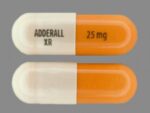
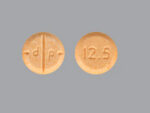
| Form | Scored tablet | Capsule containing two types of beads |
| Release pattern | All at once | ~50% immediately, ~50% delayed |
| Onset | About 30 to 60 minutes | About 30 to 60 minutes |
| Peak blood level | About 3 hours | About 7 hours |
| Duration | About 4 to 6 hours | About 10 to 12 hours |
| Typical doses per day | 1 to 3 | 1 |
| Strengths | 5, 7.5, 10, 12.5, 15, 20, 30 mg | 5, 10, 15, 20, 25, 30 mg |
| Usual adult start (ADHD) | 5 mg once or twice daily | 20 mg once daily |
| FDA-approved uses | ADHD and narcolepsy | ADHD only |
| Can it be split or opened? | Tablet is scored; split only if advised | Capsule can be opened and sprinkled on applesauce; beads must not be crushed or chewed |
| Generic available? | Yes | Yes |
| Controlled substance schedule (US) | Schedule II | Schedule II |
Dosing and release details from the FDA Adderall XR prescribing information and Adderall tablet labeling.
How the Bead Technology in XR Works
Open an Adderall XR capsule and you will see tiny pellets, not powder. Roughly half are immediate-release beads that dissolve in the stomach and start working within the hour. The rest have a coating that delays release until they reach a later point in the digestive tract, about four hours after the dose.
In practical terms, an XR capsule behaves like taking one IR tablet in the morning and a second one around lunchtime, without needing to remember the second dose. The label itself notes that 20 mg of XR produces blood levels similar to 10 mg of IR taken twice, four hours apart.
Because the beads do the timing, XR capsules must be swallowed whole or sprinkled intact. Crushing or chewing the beads destroys the delay and releases the whole dose at once.
A Day on Adderall IR: Hour by Hour
Here is how a typical adult day might feel on a twice-daily IR schedule. Individual experiences vary.
- 7:00 a.m. First tablet with breakfast.
- 7:30 to 8:00 a.m. Effects begin. Focus sharpens; appetite fades.
- 9:00 to 10:30 a.m. Peak effect. Often the most productive window of the day.
- 11:00 a.m. to noon. Effect starts to taper. Some people feel restless or foggy.
- Noon. Second tablet. A brief dip may come just before it kicks in.
- 1:00 to 3:30 p.m. Second peak.
- 4:00 to 6:00 p.m. Medication wears off. Some notice a rebound: irritability, tiredness, hunger.
- Evening. Mostly medication-free. Easier to fall asleep for many people.
The pattern is two clear “on” blocks with transitions in between. People who like predictable control over when the medication is working often prefer it.
A Day on Adderall XR: Hour by Hour
- 7:00 a.m. One capsule on waking.
- 7:30 to 8:00 a.m. Immediate-release beads begin working.
- Around 11:00 a.m. Delayed beads begin releasing, usually without a noticeable dip.
- Noon to 3:00 p.m. Blood levels reach their peak, typically around 7 hours after the dose.
- 5:00 to 7:00 p.m. Gradual taper. Rebound tends to be gentler than with IR.
- Evening. Some medication is still active. Sleep can be harder if the capsule was taken late.
The pattern is a single smooth arc. People with long, unbroken workdays or who forget mid-day doses often find this easier.
Effectiveness: Is One Stronger Than the Other?
Milligram for milligram, neither formulation is “stronger.” Both deliver the same amphetamine. What differs is how the dose is distributed across the day. A person on 20 mg of XR and a person on 10 mg of IR twice a day are receiving similar total exposure.
That said, IR can feel stronger because the whole dose hits at once, creating a sharper peak. XR can feel smoother but less intense at any single moment. Clinical trials have shown both to be effective for ADHD symptoms when properly dosed.
Side Effects: Same List, Different Pattern
Because the ingredients are identical, the side effect list is the same: decreased appetite, insomnia, dry mouth, headache, nausea, increased heart rate, anxiety, and the rest. For the full breakdown, see our guide to Adderall side effects: common, serious, and long-term.
The pattern of those side effects can differ:
| Side effect pattern | More typical with IR | More typical with XR |
|---|---|---|
| Rebound or “crash” | More noticeable, sometimes twice a day | Usually milder, once in the evening |
| Peak-related jitteriness | Sharper, shorter | Gentler but longer |
| Insomnia | Easier to avoid by skipping late doses | More likely if taken late in the morning |
| Appetite loss | Comes and goes | Can last through lunch and into the afternoon |
| Mood swings across the day | More common because levels rise and fall twice | Less common |
Misuse Potential: Does XR Lower the Risk?
Both versions carry the same FDA boxed warning for abuse, misuse, and addiction, which was updated across all prescription stimulants in 2023. Extended-release formulations are often considered somewhat less attractive for misuse because the effect builds more slowly. However, XR beads can still be misused, and neither form is “safe” from dependence. The FDA’s updated stimulant warnings emphasize never sharing your medication and storing it securely.
For patients with a history of substance use, prescribers sometimes consider lisdexamfetamine, a prodrug that must be converted in the body before it becomes active. Learn more in Vyvanse vs Adderall.
Dosing Differences at a Glance
- IR: Starts at 5 mg once or twice daily for adults with ADHD, rising by 5 mg weekly. Doses above 40 mg per day are rarely needed.
- XR: The labeled adult dose is 20 mg once daily in the morning. Doses up to 60 mg per day were studied in adults.
- Switching: The label allows moving from divided IR doses to XR at the same total daily dose, taken once daily.
See the complete Adderall dosage chart for adults for strengths, titration, and kidney adjustments.
Cost and Insurance
Both IR and XR are available as generics, which are usually far cheaper than the brand. In general:
- Generic IR tends to be the least expensive option per month.
- Generic XR usually costs more than generic IR but much less than brand-name XR.
- Insurance coverage varies. Some plans require trying IR first or need prior authorization for XR.
- Discount cards and pharmacy comparison tools can make a large difference in cash prices.
Supply is another practical factor. During the nationwide stimulant shortages that began in late 2022, availability of specific strengths fluctuated. Having your prescriber know both formulations are acceptable can make refills easier if one strength is out of stock.
Drug Tests and How Long Each Stays in Your System
Because both forms contain the same amphetamine, standard drug tests detect them the same way. XR may keep blood levels elevated for a few hours longer after a dose, but detection windows in urine are broadly similar. For specifics, read how long Adderall stays in your system.
Alcohol and Other Interactions
Alcohol interacts with both versions in the same way: it adds heart strain and the stimulant masks intoxication. With XR, the medication stays active longer into the evening, so the overlap window can be larger. Read Adderall and alcohol: why mixing them is risky for details.
One interaction is especially relevant to XR: drugs that reduce stomach acid, such as proton pump inhibitors, can change how quickly the beads release. Tell your prescriber about any heartburn medication you take.
Who Tends to Do Better on Each? Real-World Scenarios
These composite scenarios illustrate common reasoning. They are not prescriptions.
Scenario 1: The Office Worker With Long, Steady Days
Priya works 9 to 6 at a desk and often forgets to eat lunch, let alone take a second tablet. A single morning capsule that carries her through meetings without a mid-day crash suits her schedule. XR is often a natural fit.
Scenario 2: The Shift Worker With Unpredictable Hours
Marcus works rotating shifts. Some days he needs coverage from 6 a.m.; others from 2 p.m. Shorter-acting tablets let him and his prescriber match medication to each shift without keeping him awake after a late start. IR may offer more flexibility.
Scenario 3: The Student Who Needs Evening Study Time
A graduate student needs focus during classes and again for a few hours after dinner, but not in the late afternoon. A prescriber might use XR in the morning, or IR doses timed to those blocks. Late doses are weighed carefully against sleep. Either can work; timing is the main question.
Scenario 4: The Person Sensitive to Peaks
Some people feel anxious or jittery at the peak of an IR dose. The gentler rise of XR may reduce that. XR may be better tolerated.
Scenario 5: The Person Who Has Trouble Swallowing Pills
XR capsules can be opened and sprinkled on applesauce, as long as the beads are swallowed without chewing. XR offers an option IR tablets do not.
Scenario 6: Someone Treating Narcolepsy
Only Adderall IR is FDA-approved for narcolepsy. IR is the labeled choice.
Combining IR and XR
Some prescribers use an XR capsule in the morning plus a small IR dose in the afternoon to extend coverage into the evening. This is sometimes called a “booster.” It can be helpful, but it raises total daily exposure and may affect sleep, so it is an individual decision that should be monitored closely.
Decision Checklist: Questions to Bring to Your Prescriber
Answering these honestly will help you and your clinician decide:
- How many hours a day do I need symptom control?
- Do I reliably remember mid-day doses?
- Do I want medication-free evenings for sleep, socializing, or appetite?
- Do I feel a strong crash when a dose wears off?
- Do I feel anxious or jittery at peak effect?
- Is my schedule consistent or variable?
- What does my insurance cover, and what can I afford?
- Do I have trouble swallowing tablets or capsules?
- Do I take acid-reducing medication?
- Do I have a history of substance use that should shape the choice?
How IR and XR Compare With Other ADHD Medications
If neither form of Adderall works well, there are other routes. Methylphenidate products such as Ritalin and Concerta work through a slightly different mechanism and suit some people better. Wakefulness agents like modafinil are a different class used mainly for sleep disorders. These comparisons go deeper:
Stopping Either Form
Withdrawal can follow regular use of IR or XR. Because XR provides steadier levels, some people find stopping it slightly less abrupt, but symptoms such as fatigue, low mood, and increased appetite can occur with either. Talk to your prescriber about tapering. Our guide to Adderall withdrawal: symptoms, timeline, and coping tips explains what to expect.
A Short History of the Two Formulations
Mixed amphetamine salts were approved as Adderall for ADHD in the mid-1990s. The immediate-release tablet quickly became one of the most prescribed ADHD medications, but its short duration meant children needed a dose at school and adults needed to remember mid-day pills. Adderall XR was approved in 2001 to solve that problem with a once-daily capsule. Today both are widely prescribed, mostly as generics.
How Food and Drink Affect IR and XR
Both forms can be taken with or without food, but meals still matter:
- High-fat meals can delay when XR reaches peak levels by a couple of hours. The total amount absorbed stays about the same, but the effect may feel slower to arrive.
- Acidic foods and drinks, such as large amounts of orange juice or vitamin C, can lower amphetamine absorption and speed up elimination for both forms.
- Antacids and alkalinizing agents can do the opposite, raising blood levels.
- Acid-reducing medications such as proton pump inhibitors may cause XR beads to release earlier than designed.
Consistency is more important than perfection. Taking your dose the same way each day helps you and your prescriber judge how well it works.
Common Mistakes With Each Formulation
With Adderall IR
- Taking the last dose too late, which leads to insomnia.
- Skipping lunch after the second dose, causing an afternoon energy crash.
- Taking doses too close together to “push through” a deadline, which raises side effects without much extra benefit.
- Forgetting mid-day doses and then taking two at once.
With Adderall XR
- Taking the capsule late in the morning, so the delayed beads keep you awake at night.
- Chewing or crushing the beads, which releases the whole dose at once.
- Mixing beads into hot or large amounts of food, or saving the mixture for later. The label calls for a spoonful of applesauce, swallowed right away.
- Assuming it is “weaker” because the peak feels gentler, and asking for dose increases too quickly.
Generic XR: Why Some People Notice a Difference
Generic versions must meet FDA bioequivalence standards. Even so, extended-release products are more complex than tablets, and bead coatings can differ between manufacturers. Some patients report that one generic XR wears off earlier or feels stronger than another. If you notice a consistent change after a refill, check the manufacturer name on the label and tell your pharmacist and prescriber. Many pharmacies can order a specific manufacturer on request.
Practical Tips If You Switch Formulations
- Give it a full week before judging the new form. The first few days can feel unfamiliar.
- Keep a simple log of when effects start, peak, and fade.
- Watch your sleep closely when moving from IR to XR.
- Adjust meal timing. XR may suppress appetite through lunch, so a bigger breakfast and dinner may help.
- Report rebound changes. If your evening crash improves or worsens, that is valuable information.
- Do not combine leftover IR tablets with new XR capsules unless your prescriber has told you to.
Frequently Asked Questions
Is Adderall XR stronger than IR?
No. The ingredients and milligram strength are the same. XR spreads the dose across the day, while IR delivers it all at once, which can make IR feel more intense but shorter.
How long does Adderall IR last compared to XR?
IR typically lasts about 4 to 6 hours. XR is designed to last about 10 to 12 hours.
Can you switch from Adderall IR to XR?
Yes. According to the label, people on divided IR doses can switch to XR at the same total daily dose taken once each morning. Your prescriber may adjust afterward.
Which is better for anxiety?
Neither is an anxiety treatment, and both can worsen anxiety in some people. XR’s smoother curve may cause fewer peak-related jitters, but responses vary.
Which one has a worse crash?
IR more often causes a noticeable rebound because levels fall faster, sometimes twice a day. XR’s comedown is usually gentler.
Can you crush Adderall XR?
No. Crushing or chewing the beads destroys the extended-release design. You can open the capsule and sprinkle the intact beads on applesauce if swallowing is difficult.
Why is XR more expensive?
The bead technology is more complex to manufacture, and generic XR has historically had fewer manufacturers than generic IR.
Is XR better for adults and IR for kids?
Not necessarily. Both are approved for children and adults with ADHD. XR is popular for school-age children because it avoids a school-day dose, while many adults use IR for flexibility.
Can I take Adderall IR and XR on the same day?
Some prescribers add a small IR dose in the afternoon to an XR morning dose. This should only be done on your prescriber’s instructions, because it raises total daily exposure and can affect sleep.
Which is better for studying?
It depends on your schedule. XR suits long, continuous study days, while IR lets you time focus to specific blocks. Neither should be used without a prescription; using someone else’s stimulant to study is misuse and carries real health risks.
Is it normal for XR to feel like it wears off by mid-afternoon?
Some people metabolize amphetamine faster, or eat acidic foods that speed elimination. If XR consistently fades early, tell your prescriber, who may adjust timing, dose, or formulation.
Does insurance usually cover Adderall XR?
Many plans cover generic XR, but some require prior authorization or a trial of IR first. Check your plan’s formulary or ask your pharmacist.
Do IR and XR show up differently on drug tests?
No. Both contain the same amphetamine salts and are detected the same way on standard urine, blood, saliva, and hair tests. Detection windows depend on dose, frequency of use, metabolism, and urine pH more than on the formulation. If you are tested for work, keep your prescription details ready.
The Bottom Line
Adderall IR and Adderall XR are the same medicine with different timing. IR gives shorter, sharper blocks of focus and more control over when the medication is active. XR provides one smooth, all-day arc from a single capsule, with a gentler comedown but a higher risk of evening insomnia if taken late. Neither is universally better. The right choice depends on your schedule, how you respond to peaks and crashes, your sleep, your budget, and your health history. Use the checklist above to start that conversation with your prescriber.