Written for parents and caregivers, checked against the US prescribing label, CDC clinical pages, and WHO deworming guidance in October 2026. This is general information to bring to your child’s doctor or pharmacist, not a dosing instruction for your child.
It usually starts with something small. Your five-year-old is wriggling and scratching at bedtime again. Or a folded paper comes home in a backpack: the school is running a deworming day next week, please sign here. Either way, you end up at the kitchen table at 10 p.m. typing “albendazole dosage for children” into your phone, trying to figure out whether a tablet meant for adults is really okay for a 20-kilogram kid who still refuses to swallow vitamins.
This handbook is organized the way parents actually think about it: by how old your child is. For each age band you’ll find what the official sources really say, what they leave open, and the questions worth raising with your pediatrician. The short version is reassuring. Albendazole has been given to hundreds of millions of children, and for common intestinal worms it is usually a single dose. But the exact amount depends on the parasite, the child’s age, and for longer treatments, the child’s weight. That number should always come from the person who prescribes or dispenses it, not from a chart online, including this one.
One rule runs through every section below: your child’s doctor or pharmacist sets the dose, using your child’s weight, age, and the specific worm being treated. The figures here help you understand that decision, not replace it.
First, which kind of albendazole treatment is this?
Before getting to age bands, it helps to know that children receive albendazole in two very different situations. Mixing them up is the most common source of confusion when parents read dosing information.
Short courses for gut worms. Roundworm, hookworm, whipworm, and pinworm live in the intestine. Doctors and public health programs usually treat these with one dose, or with a few days of doses for stubborn worms such as whipworm. In the US these uses are “off-label,” meaning the FDA did not formally approve albendazole for them, but they are standard practice and appear in CDC treatment tables. The dose here is mostly fixed by age rather than calculated by weight.
Long courses for tissue infections. The two uses the FDA approved are hydatid disease (cysts caused by the dog tapeworm Echinococcus) and neurocysticercosis (pork tapeworm cysts in the brain). Treatment lasts days to weeks, sometimes in repeated cycles, and the dose is calculated from the child’s weight. These are hospital-specialist situations, and children on these courses need regular blood tests. If you want background on how the drug works in general, our guide to what albendazole is and how it works covers the basics.
Keep that split in mind as you read. A 200 mg or 400 mg single dose is a gut-worm number. A “15 mg/kg/day” figure is a tissue-infection number. They are not interchangeable.
Under 1 year
This is the age band with the least information, and that is itself the most useful thing to know. None of the major sources set a routine albendazole dose for babies under 12 months.
The WHO deworming recommendations for young children begin at 12 months. The CDC’s clinical guidance on soil-transmitted helminths notes that studies in children as young as 1 year suggest the drug is safe, and that its safety under age 6 is not fully certain. Below one year, there simply is not a standard to point to.
Practically, babies also have less exposure to the classic soil-transmitted worms because they are not yet crawling through yards or putting dirt-covered hands in their mouths all day. If an infant does have a confirmed worm infection, or if an older sibling’s pinworm diagnosis has the whole household worried, the decision belongs to the pediatrician. They may choose another medicine, focus on hygiene for the baby while treating older family members, or decide that treatment is worth it with closer follow-up.
What to do as a parent of a baby
- Never give a baby a piece of an older child’s or adult’s albendazole tablet.
- If someone in the house is being treated for pinworm, ask the doctor specifically about the baby rather than assuming the baby needs the same pill.
- Keep fingernails short, wash the baby’s hands and your own after diaper changes, and launder bedding in hot water during a household outbreak.
12–23 months
Toddlers are where the guidance gets more specific. WHO’s deworming recommendation for children includes children aged 12 to 23 months in areas where intestinal worms are common. For this age, WHO uses a half dose of albendazole: 200 mg as a single dose, compared with 400 mg for older children.
That 200 mg figure comes from public health programs in regions where worm infection affects 20% or more of children. In those settings, WHO advises treating once a year, or twice a year where more than half of children are infected. It is designed for groups, not tailored to one child’s lab result.
In the US, a toddler with a diagnosed infection is treated one at a time by a pediatrician, who may follow the WHO approach, use the CDC treatment table, or pick a different drug. The CDC page on pinworm notes that for children under 2, clinicians and parents should weigh the risks and benefits of treatment. Pyrantel pamoate, for example, is listed for children 1 year and older and is sold without a prescription, which is one reason some pediatricians reach for it first at this age.
The swallowing problem at this age
A whole tablet is a choking hazard for a toddler. This isn’t a theoretical worry. A study of 1,677 children aged 1 to 4 receiving albendazole during deworming in India and Haiti, published in PLoS Neglected Tropical Diseases, recorded 18 choking episodes, none fatal. The strongest warning sign was a child who was fussy, fearful, or fighting before the dose. We return to this in the section on children who hate pills, because it changes how you should approach dose day.
2 years and older: the standard albendazole dosage for children
From the second birthday, most sources treat children like adults for common gut worms. WHO uses 400 mg as a single dose for children 2 and older. The CDC treatment table for roundworm and hookworm lists 400 mg once, and for whipworm, 400 mg once daily for 3 days. The CDC notes on that page that dosing for these intestinal infections is the same for adults and children, while also flagging that safety under 6 is not fully established.
For pinworm, the CDC pinworm overview lists albendazole 400 mg once, then a second dose two weeks later. The repeat dose matters because the medicine kills worms but not eggs. Eggs that hatch after the first dose need to be caught by the second. Our guide to albendazole for pinworms covers the household side of that infection in more detail.
When weight-based dosing comes in
Weight matters most for the tissue infections. According to the FDA-approved Albenza prescribing information, patients under 60 kg (about 132 pounds) with hydatid disease or neurocysticercosis take 15 mg per kg per day, split into two doses, with meals, up to a maximum of 800 mg per day. Patients 60 kg or heavier take 400 mg twice a day. For hydatid disease, treatment runs in 28-day cycles separated by 14 days off, for three cycles. For neurocysticercosis, the label gives 8 to 30 days.
Here is what weight-based albendazole dosage for children looks like in practice, purely to show why weight changes the number. A child weighing 20 kg would have a daily total of 300 mg on paper, split into two doses. A 40 kg child’s calculation gives 600 mg a day. The prescriber then rounds to what the available tablets allow and may adjust for kidney or liver issues, other medicines, or the specific guideline they follow. Infectious disease specialists sometimes use slightly different ranges; the CDC page on echinococcosis, for example, lists 10–15 mg/kg/day for children. That is exactly why you should not run this math yourself and act on it.
| Situation | What the source says | Source |
|---|---|---|
| Children 12–23 months, community deworming | 200 mg, single dose | WHO |
| Children 2 years and older, community deworming | 400 mg, single dose | WHO |
| Roundworm or hookworm, individual treatment | 400 mg once | CDC |
| Whipworm, individual treatment | 400 mg once daily for 3 days | CDC |
| Pinworm | 400 mg once, repeated in 2 weeks | CDC |
| Hydatid disease or neurocysticercosis, under 60 kg | 15 mg/kg/day in 2 divided doses with meals, max 800 mg/day | FDA label |
| Hydatid disease or neurocysticercosis, 60 kg or more | 400 mg twice daily with meals | FDA label |
This summary of albendazole dosage for children by situation is meant to help you follow the conversation with your pediatrician. Do not use it to dose a child on your own.
School-age kids in deworming programs
That permission slip from school is most likely part of a mass deworming effort, especially for families living in or recently arrived from South Asia, sub-Saharan Africa, Latin America, or Southeast Asia. Some international schools and community health drives run them too. According to the WHO fact sheet on soil-transmitted helminths, about 654 million school-age children worldwide live where they need regular treatment. In 2021, more than 500 million children were treated.
These programs give everyone in a target group the same single 400 mg tablet without testing first. The logic is that when infection is widespread, the drug is cheap, and side effects are usually mild, treating everyone is more efficient than testing each child. Our explainer on how mass deworming programs work goes into the evidence and debate behind that approach.
Questions to settle before you sign the slip
- Is your child already taking albendazole or another dewormer prescribed by a doctor? Tell the program staff.
- Does your child have a known seizure disorder, liver disease, or a past reaction to albendazole or mebendazole? Talk to your pediatrician first.
- Is your child sick today with fever or vomiting? Many programs advise waiting until the child is well.
- Will your child be offered a chewable tablet, and will they chew it under supervision? Ask if you’re unsure.
- Could your daughter be pregnant? This matters for teens, and programs usually screen for it.
If you’re not sure whether your child actually has worms, our guide to the signs of intestinal worms walks through the clues: itching around the bottom at night, belly pain, poor appetite, visible worms in stool, and in hookworm, tiredness from blood loss.
Teens
Teenagers take the same doses as adults for gut worms, and once they weigh 60 kg or more, the adult dose applies to tissue infections as well. Two things change in this age band.
Pregnancy screening. The FDA label warns that albendazole may harm a developing baby, based on animal studies. It tells prescribers to get a pregnancy test before treatment in anyone who could become pregnant and to advise effective birth control during treatment and afterward. The 2019 Albenza label says one month after therapy ends; some newer generic labels and MedlinePlus give a shorter window, so follow the instructions on your teen’s own prescription. For a single deworming dose, WHO avoids the first trimester. If you have a teenage daughter, expect the doctor to ask about this privately. Our separate article on albendazole during pregnancy covers that topic in full.
Independence. Teens often manage their own medicine. If your teen is on a multi-week course for neurocysticercosis or hydatid disease, twice-daily doses with food are easy to forget. Help them set phone reminders, and keep track of lab appointments yourself. Missed blood tests are a bigger deal than many families realize, because they are how doctors catch a drop in white blood cells or a rise in liver enzymes early.
Giving albendazole to a child who hates pills
Every parent knows the clamped jaw, the turned head, the tablet spat across the room. With albendazole, you have more options than you might expect, but also one firm safety rule.
Crushing or chewing
The US prescribing information says albendazole tablets may be crushed or chewed and swallowed with a drink of water. That is unusual permission. Many tablets can’t be crushed because coatings control how they release. Ask your pharmacist before you do it anyway, since they can confirm the product in your hand and suggest the best way to mix it. Some will suggest a small spoonful of soft food; others prefer water. Give the whole mixture so the full dose goes in.
Chewable tablets and liquid
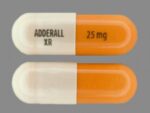
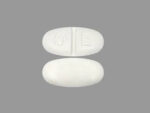
In the US, albendazole is mainly sold as 200 mg film-coated tablets. In many other countries, it also comes as flavored chewable tablets or as an oral suspension. School and community programs often use chewables. If you’re traveling or living abroad, check the strength on the box carefully. Liquid products are not all the same concentration, so “one spoonful” can mean very different doses from brand to brand. Use the measuring device that came with the bottle, never a kitchen spoon.
The firm rule: never force it
Remember the toddler study above. Choking was strongly tied to a child who was upset or struggling at the moment of dosing. The authors estimated that skipping the dose in fussy, fearful, or combative children could cut choking risk by about 80%. Interestingly, crushed tablets were linked to more swallowing problems in that study than whole tablets, probably because powder and water are harder for a crying child to manage.
So the advice for small children is simple: if your child is crying, screaming, or fighting, stop. Do not hold their nose, pry their mouth open, or pour liquid in while they lie flat. Calm them down, try again later, or call the pharmacy to ask about a different form. A dose given an hour late is far better than a dose inhaled.
Small tricks that help
- Have your child sit upright, never lying back.
- Offer a cold drink or an ice pop first. Cold dulls taste buds a little.
- Let older kids choose: chew it, or crushed in a spoonful of something?
- Follow with a favorite drink right away to clear the taste.
- Keep it brief and matter-of-fact. Long negotiations tend to make it worse.
Dose day checklist
Print this or screenshot it. It works for a single deworming dose and for day one of a longer course.
Before
- ☐ Pharmacy label matches your child’s name, and you know the dose and how many days.
- ☐ You know whether to give it with food or on an empty stomach. (CDC lists the gut-worm doses on an empty stomach; the FDA label says tissue infections need food, preferably with some fat. Ask if the label doesn’t say.)
- ☐ Your child’s current weight is on file with the prescriber, especially for weight-based courses.
- ☐ You’ve told the pharmacist about every other medicine your child takes, including seizure medicines and steroids.
- ☐ You’ve checked with the pharmacist that crushing or chewing is okay for your product.
During
- ☐ Child sitting upright and calm.
- ☐ Full dose taken, with a drink afterward.
- ☐ Note the time. If your child vomits soon after, call the pharmacist before giving more.
After
- ☐ For pinworm: second dose date marked on the calendar, two weeks out.
- ☐ Bedding, pajamas, and towels washed in hot water.
- ☐ Nails trimmed; handwashing after the toilet and before meals.
- ☐ For long courses: lab test dates written down.
- ☐ Leftover tablets stored up high and out of sight, in the original bottle.
Side effects in kids to watch for
With a single dose or a three-day course, most children notice nothing at all. When side effects show up, they tend to be stomach-related and pass within a day or two. The full breakdown by frequency is in our article on albendazole side effects, but here is the parent’s version.
Usually mild, usually short
- Tummy ache or cramping
- Nausea, or vomiting once
- Headache or dizziness
- Loose stools
- Seeing dead or dying worms in the diaper or toilet, which can be upsetting but is expected with heavier infections
Some of the belly discomfort may come from the worms dying and passing rather than the medicine itself, particularly in children with a lot of roundworms.
Less common, worth a call
- Rash or hives
- Fever, sore throat, or getting sick often during a long course (possible low white blood cells)
- Unusual bruising, nosebleeds, or pale skin
- Yellowing of the skin or eyes, or dark urine
- Hair thinning during long treatment, which usually reverses after stopping
The blood and liver effects are mostly a concern for the weeks-long courses. The FDA label calls for blood counts and liver tests at the start of each 28-day cycle and every two weeks during treatment. MedlinePlus lists fever, chills, sore throat, unusual bleeding, weakness, pale skin, shortness of breath, and rash as reasons to call a doctor right away. Children treated for neurocysticercosis can have seizures, headache, or vomiting as cysts die and the brain becomes inflamed, which is why steroids and seizure medicines are often given alongside.
One more connection worth knowing: hookworms feed on blood, and children with long-term hookworm infection can become anemic. Deworming stops the blood loss, but the child’s iron stores still need to recover. If your pediatrician mentions low hemoglobin, our guide on how to increase hemoglobin covers iron-rich foods and when supplements come in.
When to call the doctor
Think of three levels.
Call 911 or go to the ER now if your child:
- Is choking, coughing hard, or turning blue after a dose
- Has swelling of the face, lips, or tongue, or trouble breathing
- Has a seizure, especially if they’ve never had one
- Has a blistering or peeling rash
Call Poison Control at 1-800-222-1222 (US, free, 24/7) if your child swallowed someone else’s albendazole, more than the prescribed dose, or a veterinary dewormer. They will tell you whether a trip to the ER is needed.
Call the pediatrician the same day if your child:
- Vomits the dose soon after taking it
- Has a fever, sore throat, or signs of infection during a long course
- Looks yellow, or has dark urine or pale stools
- Has a severe headache, stiff neck, or new behavior changes
- Still has symptoms, such as nighttime itching, two to three weeks after treatment
Common parent mistakes with albendazole dosage for children
None of these come from carelessness. They come from tired parents doing their best with confusing information. Each one is easy to avoid once you know about it.
1. Sharing one child’s prescription with a sibling
When one child has pinworm, it’s tempting to split the bottle among everyone. But the dose for a toddler and a teen can differ, and a baby may need a different medicine altogether. Ask the doctor to treat the household deliberately, with each person’s dose confirmed.
2. Skipping the second pinworm dose
The itching stops, life gets busy, and the two-week dose slides. Then the eggs that survived hatch, and you’re back to square one. Set a calendar alert the day you give the first dose.
3. Using a pet or livestock dewormer
Albendazole is also sold for cattle and sheep, in strengths and formulas not meant for people. Never give an animal product to a child. If it has already happened, call Poison Control.
4. Doing the weight math yourself
The mg/kg formula looks simple, but prescribers account for maximum doses, available tablet sizes, other medicines, and organ function. Bring your child’s up-to-date weight to the appointment and let the prescriber calculate.
5. Doubling up after a missed dose
For multi-day courses, MedlinePlus advises giving a missed dose when you remember unless it’s nearly time for the next one, and never doubling. When in doubt, call the pharmacy.
6. Forgetting the food instructions
For tissue infections, food matters a lot. The FDA label reports that a fatty meal can raise blood levels of the active form up to about fivefold compared with fasting. For gut worms, the goal is different, and CDC lists those doses on an empty stomach. Read the pharmacy label and ask if it isn’t clear.
7. Treating the child but not the house
Pinworm eggs survive on sheets, towels, and toys. The CDC calls hand hygiene the most effective way to prevent pinworm. Without washing hands and laundering bedding, reinfection is common.
8. Buying from unverified online sellers
Albendazole needs a prescription in the US. Pills from unlicensed websites may contain the wrong amount of drug or none at all. Fill your child’s prescription at a licensed pharmacy you can verify.
Parent FAQ: albendazole dosage for children
Can I give my 1-year-old albendazole?
Possibly, but only with a pediatrician’s guidance. WHO’s community programs use 200 mg for children aged 12–23 months, and CDC notes studies in children as young as 1 suggest it’s safe. Your doctor may still prefer another option, depending on the worm and your child’s health.
Is 400 mg too much for a small 3-year-old?
For a single dose against common gut worms, WHO and CDC use 400 mg for children 2 and older, regardless of weight. For tissue infections treated over weeks, the dose is weight-based instead. If your child is unusually small or has health problems, ask the prescriber to confirm.
My child threw up right after the dose. Should I give another?
Don’t repeat it on your own. Call the pharmacist or pediatrician, tell them how long after the dose the vomiting happened, and follow their advice.
Does the whole family need to take it?
For pinworm, doctors often treat household members together because it spreads so easily. For other worms, it depends on testing and exposure. Each person’s dose should be confirmed separately.
How soon will my child feel better?
Gut worms typically start dying within days, and symptoms like itching or belly pain often ease within a week or two. Our guide on how long albendazole takes to work lays out the timeline for each infection.
Back at that kitchen table, the plan is shorter than it seemed: confirm the worm, confirm the dose with the person who prescribes it, pick the form your child can actually take, keep them calm and upright, and put the follow-up date on the fridge.
Sources and further reading
- Albenza (albendazole) prescribing information, DailyMed
- WHO eLENA: Deworming in children
- WHO fact sheet: Soil-transmitted helminth infections
- CDC: Clinical care of soil-transmitted helminths
- CDC: Pinworm clinical overview
- Risk of adverse swallowing events and choking during deworming for preschool-aged children (PLoS NTD, 2018)