A public health explainer, fact-checked against WHO guidance and government program reports. Updated October 2026. For general education only; your own clinician is the right person to advise on treatment for you or your child.
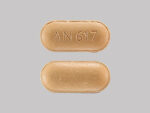
The tablets arrive in cardboard cartons a few days before the tenth of the month. On the morning itself, a teacher in a government school in Bihar or Tamil Nadu lines up her class, checks that every child has eaten something, and hands each one a chewable, orange-flavored tablet. Some kids crunch it right away. The youngest are given a crushed half-tablet mixed with a spoonful of water at the local anganwadi (a village child-care center). A health worker ticks names off a register. By lunchtime, the job is done for another six months.
That scene plays out across India twice a year on National Deworming Day, and versions of it happen from Kenya to the Philippines. The medicine in almost every carton is albendazole. Mass deworming programs are one of the largest routine drug campaigns on the planet, and they reach hundreds of millions of children who never see a doctor for the purpose. This article tells the story of how that happened, why albendazole won the job, how the programs actually work, and why some researchers still argue about how much good they do.
New to the drug itself? Our profile, What Is Albendazole?, covers how it works.
The scale of the problem
Soil-transmitted helminths are the worms that pass between people through contaminated soil. The three big ones are roundworm (Ascaris lumbricoides), whipworm (Trichuris trichiura), and hookworm. Their eggs leave the body in stool. Where toilets are scarce and sanitation is poor, those eggs end up in the dirt where children play and food is grown. Hookworm larvae can burrow through bare feet.
According to the World Health Organization’s fact sheet on soil-transmitted helminth infections, about 1.5 billion people carry these worms, which is close to a quarter of the world’s population. WHO estimates that more than 260 million preschool children and 654 million school-age children live in areas where transmission is intense enough that they need treatment and prevention. Add 108 million adolescent girls and nearly 139 million pregnant and breastfeeding women, and the at-risk group is larger than the population of most continents.
Most infected people have light infections and feel fine. Heavy infections can cause:
- Blood loss and anemia, mainly from hookworms, which attach to the gut wall and feed on blood
- Poor nutrient absorption, which can slow growth in young children
- Diarrhea, stomach pain, and intestinal inflammation
- Intestinal blockage in rare, heavy roundworm infections
The anemia piece matters most for public health planners. Iron-poor blood leaves children tired and less able to concentrate, and it raises risks for pregnant women. If you want to understand how iron and hemoglobin fit together, our guide on how to increase hemoglobin explains the basics. For a parent’s view of what infection can look like at home, see signs of intestinal worms.
There is good news inside the grim totals. WHO reports that the yearly health loss from these worms, measured in disability-adjusted life years, dropped by more than half between 2010 and 2019. In 2021, more than 500 million children in endemic countries were treated, about 62% of those at risk. Most of those doses were albendazole.
Why albendazole became the go-to drug
Albendazole did not start life as a human medicine. A chemist named Robert Gyurik synthesized it in 1972 at SmithKline’s animal health division, where it was used to deworm cattle and sheep. WHO’s own history notes that it was approved for treating people in 1981. Within two decades, it had become the backbone of global worm control. Several features explain why.
One tablet, no weighing, no lab test
For mass treatment, WHO recommends a single 400 mg dose of albendazole for most age groups, with a half dose (200 mg) for children younger than two. There is no scale, no blood test, and no follow-up visit. A teacher with a few hours of training can hand it out, which is how a mass deworming campaign reaches 200 million children in a morning.
Broad coverage of the common worms
Albendazole works against roundworm very well and against hookworm better than its close cousin mebendazole in a single dose. It is weaker against whipworm, a point we will come back to. Because one drug covers the main culprits reasonably well, planners don’t need to know exactly which worm is present in each child. See albendazole vs mebendazole for details.
A long safety record
At a single 400 mg dose, side effects are usually mild and short-lived, unlike the long courses doctors use for tapeworm cysts. That matters, because uninfected children receive the tablet too.
It was donated, at enormous volume
Price may be the biggest reason of all. In 1998, GlaxoSmithKline (GSK) pledged to donate as much albendazole as needed to eliminate lymphatic filariasis, a mosquito-borne worm disease. By 2012, the company announced it had shipped its three billionth tablet, from factories in Cape Town and Nashik, India. At the 2022 Kigali Summit on malaria and neglected tropical diseases, WHO announced that GSK would keep donating 200 million albendazole tablets a year for soil-transmitted helminths through 2025, and continue its filariasis donation until that disease is eliminated as a public health problem. Johnson & Johnson runs a parallel donation of mebendazole. WHO channels both to national health ministries.
Albendazole also sits on the WHO Model List of Essential Medicines, the reference many countries use to decide what their health systems must stock.
The short version: albendazole is a single, chewable dose that covers the main worms, carries few side effects at that dose, and was handed to health ministries free for decades. No other drug matched all four.
How a mass deworming program actually runs
The technical name for deworming day is “preventive chemotherapy,” which simply means giving a medicine to everyone in a high-risk group without testing first. The rules come from WHO’s 2017 guideline on the topic.
Who gets treated
The guideline names several target groups:
- Young children aged 12 to 23 months, who receive half a dose of albendazole
- Preschool children aged 2 to 4
- School-age children, usually through about age 12, and up to 14 in some settings
- Non-pregnant adolescent girls (10 to 19) and women of reproductive age (15 to 49)
- Pregnant women after the first trimester, but only in areas where hookworm or whipworm is common and severe anemia in pregnancy is widespread. WHO rates this one as a conditional recommendation.
WHO also flags adults in high-risk jobs, such as tea pickers and miners, who work with their hands and feet in contaminated soil. The pregnancy question has its own nuances.
Once a year or twice? The prevalence thresholds
Programs don’t deworm everywhere. They start by surveying a sample of children’s stool to estimate how common infection is. The WHO deworming recommendation in its nutrition evidence library sets two cutoffs:
| Share of children infected with any soil-transmitted worm | WHO recommendation |
|---|---|
| Below 20% | No routine mass treatment; treat individual cases |
| 20% or higher | Deworm all children in the target groups once a year |
| Above 50% | Deworm twice a year |
After five or six years of treatment with coverage of at least 75%, WHO advises countries to resurvey and adjust. If infections have fallen, the program can drop from twice yearly to once, or stop. The aim is not to treat forever. It is to push infections low enough that serious illness disappears, then hand the job over to clean water and toilets.
Why schools?
Schools already have a daily register, a trusted adult in every room, and a chain of command from district office to classroom, so using them keeps costs very low. Preschoolers are reached through child-care centers or immunization days. Out-of-school children are the hardest to reach.
A typical deworming day, step by step
- Months ahead, the health ministry orders tablets, often through the WHO donation system, and prints registers and parent leaflets.
- Teachers and child-care workers attend a short training on dosing, who to skip, and how to handle side effects.
- On the day, children chew the tablet in front of the teacher. Sick children are skipped and treated later.
- A “mop-up” day about a week later catches children who were absent or unwell.
- Schools report numbers upward, and independent monitors check a sample of registers to verify coverage.
For the specific age-based doses a clinician might use for a child outside a program, see our separate guide to albendazole dosage for children. Program doses are set for whole populations; an individual child with symptoms should be assessed by their own pediatrician or pharmacist.
Lymphatic filariasis: the other big albendazole program
The other half of albendazole’s public health story is lymphatic filariasis, a mosquito-borne disease. Thread-like worms lodge in the lymph system and, over years, can cause the swollen legs known as elephantiasis. It is a leading cause of permanent disability and carries heavy stigma.
Here albendazole is not used alone. It is paired with drugs that kill the young worms circulating in the blood. The WHO lymphatic filariasis fact sheet lays out four regimens, chosen by what other parasites are present locally:
| Setting | Mass treatment regimen |
|---|---|
| Areas without river blindness (onchocerciasis) | Diethylcarbamazine (DEC) plus albendazole, yearly |
| Areas with river blindness | Ivermectin plus albendazole, yearly |
| Areas without river blindness where programs are ready | Ivermectin plus DEC plus albendazole (“IDA”), yearly |
| Areas where the eye worm Loa loa is common | Albendazole alone, twice a year |
The three-drug IDA combination is the newest. WHO recommended it in 2017 as a way to speed up elimination, since it clears circulating worms more completely than two drugs. DEC is avoided where river blindness exists because it can trigger severe reactions in people carrying that parasite, which is why ivermectin takes its place there. If you’re curious how those two drugs differ in everyday use, our article on albendazole vs ivermectin lays it out.
WHO counts 21 countries and territories, including Bangladesh, Egypt, Sri Lanka, Malawi, and Yemen, that have been validated as eliminating lymphatic filariasis as a public health problem. As of its November 2024 update, 657 million people in 39 countries still lived in areas needing mass treatment, down sharply from when the global program began in 2000. Filariasis campaigns also deworm adults: in 2021, more than 99 million women of reproductive age got albendazole this way, per WHO.
What the evidence debate says
Ask a public health official whether mass deworming works and you will probably get a firm yes. Ask some epidemiologists and you may get a long pause. The 2015 dispute became so heated that journalists named it the “worm wars.”
The case for: the Kenya schools study
The study that put deworming on the global map came from economists Edward Miguel and Michael Kremer, published in the journal Econometrica in 2004. Between 1998 and 2001, they phased deworming into 75 primary schools in rural Busia, Kenya. Because some schools started earlier than others, they could compare treated and not-yet-treated schools. According to the Abdul Latif Jameel Poverty Action Lab (J-PAL) summary, school-based deworming cut absenteeism by 25% and reduced serious worm infections by 61%, at a cost of less than 60 US cents per child per year. The researchers also found spillover benefits: untreated children in nearby schools had fewer infections because there were fewer worm eggs in the environment.
A roughly 20-year follow-up, released as a working paper in 2020, reported that people who got two to three extra years of deworming as kids had hourly earnings about 13% higher and consumer spending about 14% higher as adults. For a treatment costing pennies, those are huge returns, and charities built large programs on the strength of this work.
The case against: Cochrane and the reanalysis
The skeptics come mostly from evidence-based medicine. The 2015 Cochrane review on deworming drugs for children, led by David Taylor-Robinson and Paul Garner, pooled 45 trials. Its conclusion was sobering. When all children in an endemic area are dewormed, there may be little or no effect on weight gain, and probably little or no effect on height, cognition, or school performance. Effects on hemoglobin and on death rates were also small or absent. The picture changed for children known to be infected: there, a single dose may increase weight gain.
The same year, independent researchers re-examined the original Kenya data, in a project commissioned by the International Initiative for Impact Evaluation (3ie). They reproduced most findings, including fewer infections. But they found coding errors. After the corrections, the estimated total attendance boost (including the spillover to neighboring schools) fell from 7.5% to 3.9%, and was no longer statistically significant. A second team, using standard epidemiology methods, said the trial showed some evidence of better attendance but with a high risk of bias from missing data. Neither the original study nor the reanalysis found better exam scores.
Where that leaves things
Supporters of the Kenya work argue that the core findings survived, that short medical trials can’t detect long-term economic gains, and that a treatment this cheap and safe is worth giving even for a modest benefit. Critics answer that “cheap” is not the same as “effective,” and that money could go to sanitation or other proven programs.
WHO itself sits in an interesting spot. Its 2017 guideline rates the evidence for children as low quality, yet still issues a strong recommendation to deworm. The reasoning: benefits clearly show up in infected children, the drug is safe and inexpensive, and testing every child first would cost far more than the tablets. The guideline openly notes that, across whole treated populations, average benefits on nutrition and development were not detected, and that gains were seen mainly in children who were actually infected.
Both camps agree that deworming helps a child who has a heavy worm load. The fight is over how big the benefit is when you treat everyone, including the many kids with few or no worms, and how to weigh economics against clinical trial data.
Concerns: drug resistance and reduced efficacy
Give the same drug to hundreds of millions of people, year after year, and the target organism may evolve around it. Veterinarians have already seen this: benzimidazole drugs, the family albendazole belongs to, have lost much of their punch against worms in sheep and goats after decades of heavy farm use.
In people, the evidence is more mixed but not reassuring. A 2017 systematic review and network meta-analysis from the Swiss Tropical and Public Health Institute, published in The BMJ, looked at trials going back decades. It found that albendazole still cleared hookworm in about 80% of cases and remained highly effective against roundworm. Against whipworm, though, its cure rate in trials fell from about 39% in 1995 to about 16% in 2015. The egg reduction rate dropped over the same period. The authors called for new drugs, especially for whipworm.
A falling cure rate in trials is not proof of genetic resistance, since study methods vary. Still, researchers are watching closely:
- Monitoring egg counts before and after treatment in sentinel schools to spot drops in effectiveness early
- Testing combinations, such as albendazole given together with ivermectin or other drugs, which may work better against whipworm and could slow resistance
- Reducing pill pressure, which is one of WHO’s 2030 goals: cut the number of tablets needed by scaling back treatment where infections have fallen
Safety at scale
At the single dose used in deworming, the common reactions are mild: brief stomach pain, nausea, vomiting, diarrhea, headache, or tiredness. Health officials repeatedly point out that these effects tend to be stronger in children with heavy worm loads, likely because large numbers of dying worms irritate the gut. They usually pass within a day without treatment. Our article on albendazole side effects separates these short-lived reactions from the rarer problems seen with long, high-dose courses.
When fear spreads faster than worms
The bigger safety story in mass campaigns is often not the drug. It is panic. During India’s February 2016 deworming day, which WHO says reached an estimated 270 million children, news reports of children falling ill in several states quickly circulated. India’s health minister at the time said 236 children had reported mild effects such as nausea and dizziness, were observed, and went home without major complications. Against a target of 270 million, that is a vanishingly small fraction, but the headlines were alarming.
The Philippines had a sharper episode in 2015. After its national school deworming day, rumors spread on local radio that children had died and that the tablets were expired. Neither was true; the tablets did not expire until 2017. Even so, some towns paused the program. Observers suggested that some cases may have been mass psychogenic illness, where anxiety in a group produces real physical symptoms such as stomach upset, fainting, and dizziness, spreading from child to child.
Programs have learned from these episodes. Many now:
- Ask that children eat before taking the tablet, which can reduce stomach upset
- Train teachers to expect mild reactions and calmly manage them
- Keep a health worker on call and set up a clear system to report adverse events
- Brief local media in advance
India’s program in numbers
India runs what WHO described in 2016 as the world’s largest deworming campaign. The Ministry of Health and Family Welfare launched National Deworming Day in 2015, working with the education and women and child development departments. Indian government figures, cited in national press coverage, have estimated that more than 22 crore (220 million) children under 14 are at risk of soil-transmitted worm infections. The table below collects milestones from WHO and from figures released by the health ministry and reported in Indian media.
| Item | Detail | Source |
|---|---|---|
| Launched | 2015 | MoHFW, via WHO and Indian press |
| Who is eligible | Children and adolescents aged 1 to 19 | MoHFW program materials |
| Schedule | Two rounds a year, traditionally on February 10 and August 10, with a mop-up day about a week later (states sometimes shift the exact date) | MoHFW; state notices |
| Where | Government and government-aided schools, private schools in many states, anganwadi centers, and junior colleges | MoHFW; state reports |
| First round (2015) | About 89 million children treated | WHO |
| February 2016 | Estimated 270 million children treated in one day, with nearly 900,000 teachers and health workers involved | WHO |
| 2017 rounds | About 25.6 crore children in February and 22.8 crore in August | Health ministry figures reported in 2018 |
| Recent round targets | Above 32 crore (320 million) children and adolescents per round from 2018 onward | Health ministry statements, 2018 and 2019 |
| Dose in practice | Half a 400 mg chewable tablet, crushed in water, for ages 1 to 2; a full tablet for older children (crushed for the youngest, chewed by older kids) | State program guidance |
| Filariasis campaign (2025) | 111 endemic districts in 13 states; over 17.5 crore people targeted; goal of elimination by 2027 | Government statement, February 2025 |
A caveat: “targeted” is not the same as “treated,” and national totals hide big regional gaps. One Andhra Pradesh report put local worm prevalence among children at about 34%, while other states have far lower rates. That variation is why WHO wants countries to resurvey and adjust frequency.
What parents should know on deworming day
If your child attends school in a country with a deworming program, or if you are a family in the US with relatives abroad who ask about it, here is the practical side. These points reflect common program guidance, but local instructions always come first.
Before the day
- Tell the teacher about health issues. Mention any known allergy to albendazole or related drugs, a current illness, or if your child is taking other medicines. A child with a fever or acute illness is normally skipped and treated on mop-up day.
- Check your child’s age group. Programs give a smaller dose to toddlers. Children under one year are generally not included.
- Older girls and pregnancy. Adolescent girls who are or might be pregnant should tell the health worker, since WHO advises against albendazole in the first trimester.
On the day
- Send your child with breakfast in their stomach. Many programs ask that children not take the tablet on an empty stomach.
- Expect chewing, not swallowing whole. The tablets are designed to be chewed, which lowers choking risk. Very young children get a crushed tablet mixed with water.
- Mild tummy upset is common and brief. Nausea, a stomachache, or loose stools can happen, especially in kids with lots of worms.
After the day
- Don’t be alarmed if you see worms in the stool. That can happen in the day or two after treatment and means the drug is working.
- Know the red flags. Seek medical care quickly for a rash with swelling of the face or lips, trouble breathing, repeated vomiting, or a child who seems very unwell. These are uncommon but need prompt attention.
- Protect against reinfection. Handwashing with soap, wearing shoes outdoors, using toilets, washing fruits and vegetables, and keeping nails short all cut the chance of picking up new worms.
- Keep up with future rounds. One dose doesn’t prevent new infections, which is why programs repeat.
A note for families in the United States: routine mass deworming is not done in US schools, because soil-transmitted worms are uncommon here. If your child has symptoms, has recently moved from or traveled to an endemic area, or was adopted internationally, talk with your pediatrician. They may order a stool test or treat based on history. Children should not be given leftover or imported albendazole without a clinician’s guidance on the right dose.
The road ahead
Mass deworming is entering a different phase. The first era was about scale: getting a tablet into every eligible child’s hand, and it largely succeeded. The next era is about precision and exit. WHO’s 2030 targets for soil-transmitted helminths include eliminating serious illness from these worms in children, reducing the number of tablets needed, getting countries to pay more of the cost themselves, building programs for adolescent girls and women, starting control of a fourth worm, Strongyloides, and reaching universal basic sanitation in endemic areas.
What will shape the next phase:
- Funding and donations. GSK’s 2022 public commitment for intestinal worms ran through 2025, so how much national budgets pick up will matter for poorer countries.
- Better diagnostics. As infections fall, old microscope methods miss light cases. WHO has published target profiles for newer tests to decide when it is safe to stop treating.
- New drugs and combinations. Whipworm’s poor response to albendazole is driving trials of drug pairs and next-generation compounds.
- Toilets and clean water. Every expert on both sides of the worm wars agrees that pills alone cannot keep worms away if the soil stays contaminated.
Albendazole’s rise was a rare alignment: a safe, single-dose drug, a company willing to give it away, a global agency to coordinate, and school systems ready to deliver. The debate over the benefits of mass deworming is healthy, because good public health depends on honest measurement. But for the child in a crowded classroom with a belly full of hookworms and blood low on iron, that orange tablet on deworming day is still one of the simplest pieces of medicine on Earth, and one of the most widely shared.
Sources and further reading
- WHO: Soil-transmitted helminth infections fact sheet
- WHO e-Library of Evidence for Nutrition Actions: Deworming in children
- WHO: Lymphatic filariasis fact sheet
- WHO: GSK reaffirms and expands its albendazole donation (2022)
- Cochrane: Deworming drugs for soil-transmitted intestinal worms in children (2015)
- J-PAL: Deworming to increase school attendance