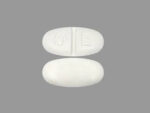
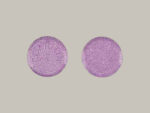
This explainer reflects FDA, CDC, and WHO guidance current to October 2026. It is meant for general understanding; the right antiparasitic for any person is a decision for a licensed clinician.
People often search for albendazole vs ivermectin hoping to learn which one is “stronger” or “better.” That framing leads people astray, because these two medicines are not interchangeable. They are like a wrench and a screwdriver: both are tools, both live in the same toolbox, and neither is better in general. Each is the right choice for some jobs and close to useless for others.
Here is the one-line version of each:
- Albendazole is a benzimidazole that starves worms by wrecking their internal scaffolding. It is the go-to drug for common intestinal roundworms and hookworms, and for tissue infections caused by tapeworm larvae, such as neurocysticercosis and hydatid cysts.
- Ivermectin is an avermectin that paralyzes certain worms and insects by overloading their nerves and muscles. It is the go-to drug for Strongyloides, river blindness, and, in some forms, scabies and head lice.
The rest of this article is organized around the parasites themselves, because that is how doctors actually choose. If you want the background on the first drug before reading on, see our guide to what albendazole is.
Two drug families, two mechanisms
Albendazole: dismantling the worm’s skeleton from inside
Every cell in a worm relies on tiny tubes called microtubules. They act as both scaffolding and a conveyor belt, moving nutrients around the cell. Microtubules are built from a protein called tubulin. Albendazole binds to the beta-tubulin of parasites and stops those tubes from forming. Without them, the worm’s intestinal cells cannot absorb glucose properly. The parasite slowly runs out of energy and dies.
This is a slow, steady death rather than an instant knockout. It is also why albendazole, which belongs to the same family as mebendazole, works against such a wide range of worms, including larval tapeworm cysts in tissue. We compare those two close cousins in albendazole vs mebendazole.
Ivermectin: jamming the nerve signal
Ivermectin works on a completely different target. Many worms and arthropods (like mites and lice) have special channels in their nerve and muscle cells called glutamate-gated chloride channels. Ivermectin binds to these channels and forces them open. Chloride floods into the cells, the cells cannot fire normally, and the parasite becomes paralyzed.
Humans do not have glutamate-gated chloride channels, and the related channels we do have are mostly protected behind the blood-brain barrier. That is a big part of why standard doses of human ivermectin are generally well tolerated. It is also why very high doses, especially from animal products, can be dangerous: if enough drug crosses into the brain, it can cause confusion, seizures, or coma.
Why the mechanism shapes the targets
The mechanism explains a lot of the parasite map below:
- Tapeworms and their larval cysts do not respond well to ivermectin. Albendazole, by contrast, can reach and damage those cysts.
- Mites and lice are arthropods, not worms. They have the chloride channels ivermectin targets, but not the kind of tubulin vulnerability that makes albendazole effective, so albendazole has no role against scabies or lice.
- Ivermectin kills the immature larval stage (microfilariae) of filarial worms very effectively, which is why it is central to river blindness programs.
Albendazole vs ivermectin: which parasite, which drug
The table below is a simplified map based on CDC treatment pages, FDA labels, and WHO program guidance. Real prescribing depends on the patient’s age, pregnancy status, where they caught the infection, and other conditions, so treat this as orientation, not a prescription.
| Parasite or condition | Usual first choice | Role of the other drug | Notes |
|---|---|---|---|
| Strongyloides (threadworm) | Ivermectin | Albendazole is an alternative (twice daily for 7 days) | CDC lists ivermectin as the drug of choice |
| Onchocerciasis (river blindness) | Ivermectin | Albendazole has no main role alone | FDA-approved indication for ivermectin tablets |
| Lymphatic filariasis (elephantiasis), mass treatment | Albendazole combined with ivermectin and/or DEC | Ivermectin is part of combinations | WHO regimen depends on what else is endemic locally |
| Scabies | Topical permethrin; oral ivermectin in some cases | Albendazole has no role | Oral ivermectin is used off-label for scabies in the US |
| Head lice | Topical treatments, including ivermectin lotion | Albendazole has no role | Ivermectin lotion is FDA approved for ages 6 months and up |
| Roundworm (Ascaris) | Albendazole or mebendazole | Ivermectin has some activity | Single-dose albendazole is standard in deworming programs |
| Hookworm | Albendazole | Ivermectin is weak alone | Albendazole is preferred over a single mebendazole dose |
| Whipworm (Trichuris) | Albendazole or mebendazole, often with modest cure rates | Adding ivermectin improves cure rates | See the combination section below |
| Pinworm | Albendazole or mebendazole | Not a typical use for ivermectin | Whole household often treated |
| Neurocysticercosis | Albendazole (sometimes with praziquantel) | Ivermectin has no role | Steroids often given alongside |
| Hydatid disease (Echinococcus) | Albendazole, often with surgery or drainage | Ivermectin has no role | Long courses with lab monitoring |
| Trichinellosis | Albendazole or mebendazole | Ivermectin is not standard | CDC: albendazole 400 mg twice daily for 8 to 14 days |
| Adult intestinal tapeworm | Praziquantel (albendazole sometimes used) | Ivermectin has no role | See our tapeworm guide |
A few of these deserve a closer look.
Strongyloides: why ivermectin wins this one
Strongyloides stercoralis is unusual. It can reinfect the same person over and over, sometimes for decades, by completing its life cycle inside the body. In people taking steroids or with weakened immune systems, it can multiply out of control and become life-threatening. The CDC’s clinical guidance on strongyloidiasis names ivermectin as the drug of choice, with albendazole as an alternative given twice a day for seven days. The WHO notes that more than 600 million people may carry this worm.
Tissue tapeworm infections: an albendazole-only zone
When pork tapeworm larvae lodge in the brain (neurocysticercosis) or dog tapeworm cysts grow in the liver (hydatid disease), albendazole is the drug that reaches and damages the cysts. Ivermectin simply does not have a role here. Treatment is complex, often involving steroids, anti-seizure medicine, imaging, and sometimes surgery. Our guides to albendazole for neurocysticercosis and albendazole for tapeworm explain the details.
Trichinellosis: a meat-borne infection
Trichinellosis comes from eating undercooked meat, often wild game or pork, containing Trichinella larvae. According to the CDC, either albendazole or mebendazole is recommended, with albendazole given at 400 mg twice daily for 8 to 14 days in adults and children. Early treatment matters because the drugs work best before larvae settle deep into muscle. Ivermectin is not part of standard US treatment.
Soil worms in general
Roundworm, hookworm, and whipworm, grouped together as soil-transmitted helminths, are where albendazole does its most common work. The WHO estimates about 1.5 billion people, roughly a quarter of the world’s population, carry these worms. If you are unsure whether symptoms might be worms, our guide to the signs of intestinal worms walks through what to look for.
Where they work together
Because the two drugs hit completely different targets, albendazole and ivermectin can be combined, and in some settings the combination beats either drug alone.
Lymphatic filariasis: the WHO’s combination playbook
Lymphatic filariasis, the infection behind elephantiasis, is spread by mosquitoes. The goal of WHO programs is to wipe out the microfilariae in the blood so mosquitoes cannot pass the infection on. According to the WHO fact sheet on lymphatic filariasis, the recommended mass treatment depends on what else is circulating locally:
- In countries that also have river blindness: ivermectin plus albendazole.
- In countries without river blindness: diethylcarbamazine (DEC) plus albendazole.
- In some countries without river blindness where conditions allow: the triple combination of ivermectin, DEC, and albendazole, known as IDA.
- In areas where the eye worm Loa loa is common: albendazole alone, twice a year, because ivermectin can cause serious brain reactions in people heavily infected with Loa loa.
The WHO reported that in 2023, 657 million people in 39 countries lived in areas needing this preventive treatment. These programs are a major part of how albendazole reaches people worldwide; our article on mass deworming programs covers them in depth.
Whipworm: a stubborn worm meets a combination pill
Whipworm has long been the weak spot of single-dose albendazole. Cure rates are often low. Researchers have tested whether adding ivermectin helps, and the answer appears to be yes.
The ALIVE trial, run by the STOP consortium in Ethiopia, Kenya, and Mozambique, enrolled 1,001 children aged 5 to 18. It compared a new fixed-dose tablet containing both drugs with albendazole alone. As reported by CIDRAP from the results in The Lancet Infectious Diseases, whipworm cure rates were:
- About 36% with albendazole alone.
- About 83% with a single dose of the combination tablet.
- About 97% with the combination tablet taken once a day for three days.
Hookworm cure rates also improved, from about 65% with albendazole alone to about 80% with one dose and 95% with three days of the combination.
In January 2025, the European Medicines Agency’s human medicines committee (CHMP) gave a positive scientific opinion for this ivermectin/albendazole fixed-dose combination in orally dispersible tablets, for use outside the European Union. That type of opinion is designed to support approval in countries where these worms are common. The indications covered soil-transmitted worms, including whipworm and Strongyloides, in people aged five and older. As of this writing it is not sold in the US.
Why not just give both drugs to everyone?
If the combination works so well, a reasonable question is why every worm infection is not treated with both. There are a few good reasons.
- Extra drug, extra risk. Every medicine adds possible side effects. For a single roundworm or pinworm infection, albendazole alone usually works, and there is no benefit in adding a second drug.
- The Loa loa problem. In parts of Central and West Africa, adding ivermectin can be dangerous for people heavily infected with the eye worm, so blanket combination treatment is not safe everywhere.
- Age and pregnancy limits. Ivermectin is not established for children under 15 kg or in pregnancy, while albendazole is given to children from age one in WHO programs. A single-drug approach reaches more of the people who need it.
- Resistance planning. Public health experts worry about worms becoming less sensitive to drugs used year after year in mass campaigns. Combinations are one way to protect drug effectiveness, but they are rolled out deliberately, not by individual guesswork.
- Diagnosis comes first. For an individual patient in the US, a doctor treats the parasite actually found. If the test shows Strongyloides, ivermectin is the answer. If it shows pinworm, albendazole or mebendazole is.
In short, combining the two is a targeted strategy for specific settings, mainly community-wide programs in high-burden regions and stubborn infections like whipworm, rather than a default for every case.
Safety profiles compared
When it comes to albendazole vs ivermectin safety, both drugs are generally well tolerated at the short courses used for intestinal worms. The differences show up with longer courses, specific infections, and certain patient groups.
| Safety topic | Albendazole | Ivermectin |
|---|---|---|
| Common short-course side effects | Stomach pain, nausea, headache, dizziness | Dizziness, nausea, diarrhea, itching |
| Long-course concerns | Liver enzyme rise; rare but serious bone marrow suppression; blood tests required | Long daily courses are not typical |
| Reactions from dying parasites | Seizures or headache flare in neurocysticercosis (steroids help) | Mazzotti reaction in river blindness: itching, fever, rash, swollen glands |
| Special danger | Higher bone marrow risk with liver disease | Serious brain reactions in heavy Loa loa infection |
| Food | Fatty meals raise absorption | Label says take on an empty stomach with water |
| Notable drug interactions | Dexamethasone, praziquantel, cimetidine raise levels | Rare reports of raised INR with warfarin |
Albendazole safety in brief
For a single 400 mg dose, most people notice nothing or mild stomach upset. During long courses for tissue infections, the FDA label requires blood counts and liver tests at the start of each 28-day cycle and every two weeks during treatment. Liver enzyme elevations occurred in about 16% of patients in clinical trials, and rare fatal cases of bone marrow suppression have been reported. Your prescriber will explain which warning signs to report between blood tests.
Ivermectin safety in brief
The Stromectol label describes ivermectin as usually given as a single dose on an empty stomach with water. In people with river blindness, dying microfilariae can trigger the Mazzotti reaction, with itching, fever, rash, and swollen lymph nodes in the first few days. The most serious specific warning involves Loa loa: people heavily infected with this eye worm, who have usually lived in West or Central Africa, can develop a rare but serious or fatal brain inflammation after ivermectin. That is why doctors screen for it before treating people from those regions.
Ivermectin and COVID-19: what the evidence showed
During the pandemic, ivermectin became widely used for COVID-19 based on early lab experiments and small studies. Large, well-run trials later tested it properly.
- The TOGETHER trial, published in the New England Journal of Medicine in 2022, found that ivermectin did not lower hospitalization for COVID-19.
- The NIH-funded ACTIV-6 study gave ivermectin or placebo to about 1,600 outpatients and found no meaningful effect on hospitalization or death.
- The UK’s PRINCIPLE trial found no reduction in hospital admissions or deaths, and only a small difference in self-reported recovery time that researchers did not consider clinically meaningful.
The FDA’s consumer update on ivermectin and COVID-19 states that the agency has not authorized or approved ivermectin to prevent or treat COVID-19 in people or animals, and that currently available trial data do not show it works for this use. Albendazole has never been part of mainstream COVID-19 treatment.
Animal ivermectin warning
Ivermectin is sold in large amounts for horses, cattle, sheep, and pets, often as pastes, pour-ons, or injectable liquids. These products are formulated for animals that may weigh far more than a person. They can contain inactive ingredients that have never been evaluated for human use.
The FDA has received multiple reports of people who needed medical care, including hospitalization, after taking animal ivermectin. The agency’s message is direct: never use medicine meant for animals on yourself or other people. According to the FDA, an ivermectin overdose can cause:
- Nausea, vomiting, and diarrhea
- Low blood pressure
- Allergic reactions, such as itching and hives
- Dizziness and loss of balance
- Seizures, coma, and in some cases death
If someone has taken animal ivermectin or too much human ivermectin, call Poison Control at 1-800-222-1222 in the US, or 911 if they are having trouble breathing, seizing, or are hard to wake.
Pregnancy and children for each drug
Albendazole
- Pregnancy: The US label says albendazole should not be used in pregnancy unless no other option is appropriate, recommends a pregnancy test before treatment in people who could be pregnant, and advises contraception during treatment and for a month afterward. Animal studies showed harm to the fetus. WHO, however, allows single-dose albendazole in the second and third trimesters during deworming programs, because the benefit in high-burden areas outweighs the risk. That gap between the label and global program practice is one reason pregnant patients should talk through options individually.
- Children: CDC notes that albendazole’s safety under age six is not fully established, but studies and WHO programs have used it in children as young as one year, sometimes at reduced doses. See our guide to albendazole dosage for children.
Ivermectin
- Pregnancy: The Stromectol label says ivermectin should not be used during pregnancy because safety has not been established. CDC lists it as a relative contraindication in pregnancy and breastfeeding.
- Children: Safety and effectiveness of oral ivermectin in children weighing under 15 kg (about 33 pounds) have not been established. Topical ivermectin lotion for head lice is approved from six months of age.
Pregnancy and early childhood are exactly the situations where a doctor’s judgment matters most. If you or your child might need either drug, these are questions to raise directly.
Availability: US vs India
In the United States
- Albendazole is prescription-only and sold as generic 200 mg tablets. It has historically been expensive in the US compared with other countries, and some insurers require prior authorization. It is less commonly kept in stock at every retail pharmacy, so it may need to be ordered.
- Ivermectin tablets are FDA approved for strongyloidiasis and onchocerciasis. Federally they remain prescription drugs. Since 2025, several states, including Idaho, Arkansas, and Tennessee, have passed laws allowing pharmacists to dispense ivermectin without a prescription, and others have considered similar bills. State rules vary and continue to change, so check with a local pharmacist.
- Topical ivermectin comes as a lotion for head lice and a cream for rosacea.
In India
- Albendazole is widely available, inexpensive, and familiar. It comes as 400 mg tablets, chewable tablets, and suspensions. Through National Deworming Day, India gives albendazole to children aged 1 to 19 years through schools and anganwadi centers twice a year.
- Ivermectin is also available by prescription in tablet form, and fixed combinations of albendazole and ivermectin have long been sold in India. India has also used ivermectin, DEC, and albendazole combinations in lymphatic filariasis elimination drives in some districts.
Wherever you live, buying either drug from unverified online sellers carries real risks of counterfeit or poorly made products. A licensed pharmacy is the safer route.
Reading the map: three everyday scenarios
To see how the parasite-first approach plays out, here are three simplified, illustrative situations of the kind clinicians see. They are not case reports and not treatment advice.
A returning traveler with an itchy, moving rash
An adult comes back from several months working on farms in Southeast Asia. Weeks later, they notice a red, itchy, snake-like rash around the buttocks that seems to move, plus some stomach upset. Blood tests show raised eosinophils. A doctor suspects Strongyloides and orders a blood antibody test. If it is confirmed, ivermectin is the usual first choice. Before any steroid treatment for another condition, clearing this worm is especially important because steroids can let it spread out of control.
A child with an itchy bottom at night
A six-year-old in daycare is scratching around the anus at bedtime and sleeping poorly. A tape test confirms pinworm eggs. Here albendazole or mebendazole is the standard answer, often with a second dose two weeks later and treatment for the household. Ivermectin is not part of routine pinworm care, and at this child’s weight it may not be appropriate anyway. Our albendazole for pinworms guide covers that plan.
An adult with a first-ever seizure
A young adult who grew up in a region where pork tapeworm is common has a first seizure. A brain scan shows small cysts. This points to neurocysticercosis. Albendazole, sometimes combined with praziquantel and almost always with steroids and seizure medicine, is the path forward. Ivermectin plays no part.
In each case, the question “albendazole or ivermectin?” was answered by identifying the parasite, not by comparing the drugs in the abstract.
Choosing isn’t your job: here’s what to ask
The albendazole vs ivermectin decision starts with a diagnosis, not a preference. If you think you have a parasite, the most useful thing you can do is give your clinician good information and ask the right questions. Here is a list to take to your appointment:
- Which parasite do you think I have, and how will we confirm it (stool test, blood test, imaging)?
- Is that parasite one that albendazole, ivermectin, or a combination treats best?
- Do I need a single dose or a longer course? How many days?
- Should I take my medicine with food or on an empty stomach?
- Have I lived in or traveled to areas where Loa loa or Strongyloides is common, and does that change things?
- I am pregnant, might be pregnant, or am breastfeeding. Which option is safest?
- My child weighs under 15 kg. Is ivermectin appropriate, or is something else better?
- Will I need blood tests during treatment?
- Should my household members be tested or treated too?
- How will we know the treatment worked, and when should I come back?
Bring a list of every medicine and supplement you take, including steroids, warfarin, and over-the-counter heartburn medicine. With those answers in hand, the “albendazole or ivermectin” question tends to answer itself.