Written for families and caregivers. Drug facts checked against FDA labeling, the CDC, and peer-reviewed studies; updated October 2026. This guide supports, and does not replace, decisions made with a loved one’s doctor or pharmacist.
It was a purple bruise on her mother’s forearm, the size of a plum. “I bumped the dresser,” her mom said, waving it off. A week later there was a scrape on her shin and a cracked picture frame in the hallway. When the daughter finally asked what was going on at night, her mother admitted she’d been taking “a little sleeping pill” the doctor gave her a few months back, and that she sometimes felt wobbly on the way to the bathroom.
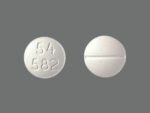
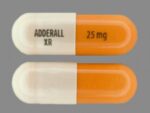
Scenes like this play out in many families. The pill is often zolpidem, sold as Ambien and Ambien CR and as generics. Using Ambien in older adults is common, but it comes with real fall risks that rise with age. This guide is written for the adult child, spouse, or caregiver who has started to worry. It explains why age changes how the drug behaves, what geriatric experts recommend, and what the fall research shows. Then it gets practical: a room-by-room home safety audit, a checklist for a medication review, non-drug sleep options, and tips for raising the subject without starting a fight.
One ground rule first: don’t stop or change a parent’s medication on your own. Zolpidem is a Schedule IV controlled substance, and stopping it suddenly after regular use can cause rebound insomnia and withdrawal. Changes should go through the prescriber.
Why age changes the math on Ambien
Zolpidem was tested and dosed mostly with younger adults in mind. An older body handles it differently in two ways: the drug stays around longer, and the brain reacts to it more strongly.
Slower clearance means higher levels
The liver breaks down zolpidem, mainly through an enzyme called CYP3A4, and that process tends to slow with age. The FDA prescribing information for Ambien describes a single-dose study in which adults over 70 had peak blood levels about 50% higher than young adults, a half-life about 32% longer, and total exposure about 64% greater. The same dose, in other words, means considerably more drug in an older person’s system, for longer.
That matters most at the times when falls happen: the middle-of-the-night trip to the bathroom and the first steps out of bed in the morning. Our guide on how long Ambien stays in your system explains half-life and why “feeling awake” doesn’t mean the drug is gone.
The label dose for people 65 and older
Because of these differences, the FDA labels call for the lowest doses in older patients. For immediate-release Ambien, the recommended dose for elderly or debilitated patients is 5 mg, taken once a night right before bed. For extended-release Ambien CR, the recommended dose for people 65 and older is 6.25 mg. The labels say these lower doses are meant to limit impaired motor and cognitive performance and unusual sensitivity to sedatives. People with mild to moderate liver problems get the same lower doses, and severe liver disease is a reason to avoid zolpidem.
If your parent’s bottle says 10 mg or 12.5 mg, that’s worth a question to the prescriber or pharmacist. Sometimes there’s a reason. Sometimes it’s an old prescription that was never adjusted. (For background on how dosing differs by sex, see Ambien dosage for men vs. women; older women may be affected by both factors.)
A more sensitive brain
Even at the same blood level, older brains tend to be more sensitive to sedatives. Balance, reaction time, and judgment may be affected more. Add the normal changes of aging, such as weaker leg muscles, poorer night vision, a more frequent need to urinate at night, and lower blood pressure on standing, and a small drug effect can become the difference between a safe trip to the bathroom and a fall.
The label’s own data hints at this. It notes reports of falls from outside the U.S. in which nearly all of the patients were 70 or older, and most of them were taking more than 10 mg.
What the Beers Criteria say about Ambien for seniors
The American Geriatrics Society publishes the Beers Criteria, a widely used list of medications that are often inappropriate for people 65 and older. Doctors, pharmacists, and insurance plans use it to flag risky prescriptions.
The 2023 update puts the “Z-drugs,” which are zolpidem, eszopiclone (Lunesta), and zaleplon (Sonata), on the list of medications to avoid in older adults. According to the NIH StatPearls summary of zolpidem, the criteria cite higher risks of delirium, fractures, emergency visits, car crashes, and hospitalization. The consumer site of the AGS’s foundation, HealthinAging.org, adds that these drugs offer limited value in improving sleep, and describes the risks in plain language: memory problems, daytime drowsiness, falls and fractures, and crashes, along with dependence.
A couple of things to keep in mind. “Avoid” in the Beers Criteria is a strong default, not a legal ban. There are people for whom a doctor decides the benefits outweigh the risks, at least for a while. And the criteria are meant to start a conversation, not to make a family member feel that a parent’s doctor did something wrong. But if your parent has been on zolpidem for months or years, the Beers guidance is a good reason to ask whether it’s still the best choice.
Switching to a “safer” Z-drug doesn’t really solve the problem, since all three are on the same Beers line. Our comparisons of Ambien vs. Sonata and Ambien vs. trazodone explain how these options differ, but any change should come from the prescriber with the full picture.
Falls and hip fractures: the evidence on Ambien in older adults
How common falls are
Falls are one of the biggest threats to an older person’s independence. According to the CDC’s older adult falls data:
- More than one in four adults 65 and older falls each year, and fewer than half tell their doctor.
- Falling once doubles the chance of falling again.
- Older adults make about 4.5 million emergency department visits a year for falls.
- Falls cause 88% of emergency visits and hospital stays for hip fractures, and about 319,000 older adults are hospitalized for hip fractures each year.
- Falls are the most common cause of traumatic brain injury in older adults.
The CDC’s STEADI program, its fall-prevention toolkit for clinicians, lists sedative-hypnotics, specifically naming zolpidem, eszopiclone, and zaleplon, among the medications linked to falls. It advises clinicians to review medicines for every patient 65 and older and to stop, switch, or reduce psychoactive drugs when possible.
What studies of zolpidem and fractures have found
Several studies have looked specifically at zolpidem or the Z-drug group and fractures. They’re observational, so they show association rather than proof, but the pattern is consistent.
Nursing home residents (U.S.). A 2013 study in JAMA Internal Medicine looked at 15,528 long-stay nursing home residents who had a hip fracture. Using a design that compares each person’s own drug use just before the fracture with earlier periods, it found Z-drug use was linked to about 66% higher odds of hip fracture. For new users, the odds were more than twice as high, and the risk appeared greatest in the first couple of weeks after starting. That early window is something caregivers can act on: the first nights on a new sleep medicine deserve extra watchfulness.
Taiwan population study. A retrospective cohort study published in the journal Sleep in 2014 compared nearly 7,000 new zolpidem users with almost 28,000 non-users. Hip fractures were about 2.2 times more common among users. Among older participants, the rate was 11.1 per 1,000 person-years in users versus 5.34 in non-users. The researchers also observed that fracture rates fell after prescriptions ended. They were careful to note that their claims-based design couldn’t prove cause.
Systematic review. A 2022 review in BMC Geriatrics pulled together studies of Z-drugs in adults 65 and older. Pooled data linked zolpidem to modestly higher odds of any fracture. The pooled hip fracture estimate pointed the same way but just missed statistical significance. The authors rated the overall evidence quality as low but still made a strong recommendation that clinicians consider stopping longer-term use, since the benefits didn’t clearly outweigh the risks.
For caregivers, the takeaway is simple. Zolpidem is one of many fall risks you can actually change. You can’t make your parent younger, but you can make the house safer and ask whether the pill is still needed.
Other risks of Ambien in older adults
Falls get the most attention, but they aren’t the only concern with Ambien in older adults.
Confusion and delirium
Sedatives can trigger delirium, a sudden state of confusion, disorientation, or agitation, especially in people who are ill, in the hospital, or already living with memory problems. Any sudden change in thinking is a reason to call the doctor the same day. Zolpidem can also cause memory gaps for the hours after a dose; our article on Ambien and memory loss covers both the short-term effects and what research says about dementia.
Complex sleep behaviors
Since 2019, zolpidem has carried an FDA boxed warning about doing things while not fully awake, such as sleepwalking, cooking, or driving, sometimes with serious injury. A parent who is found wandering at night, or who doesn’t remember something they clearly did, should not take another dose until the prescriber has been contacted. Read more in Ambien sleepwalking and sleep-driving.
Next-day impairment and driving
The FDA label tells patients to wait at least 8 hours after a dose before driving or doing anything that requires full alertness, and it warns that impairment can be present even when a person feels wide awake. The risk is higher with less than a full night of sleep, doses above the recommended amount, alcohol, or other sedating drugs. For a parent who still drives, an early-morning appointment after a late dose is a real hazard.
Polypharmacy and drug interactions
Many older adults take five, ten, or more medicines. Each one added to zolpidem can change the picture. These are the combinations to ask about:
| Medication type | Common examples | Why it matters with zolpidem |
|---|---|---|
| Opioid pain relievers | Oxycodone, hydrocodone, tramadol | Added sedation and slowed breathing; the label says to limit dose and duration if used together |
| Benzodiazepines | Lorazepam, alprazolam, diazepam, temazepam | Stacked sedation and fall risk; two sleep drugs at bedtime are not recommended |
| Sedating antihistamines | Diphenhydramine (in many “PM” products), hydroxyzine | More drowsiness and confusion; often bought over the counter without the doctor knowing |
| Certain antidepressants and antipsychotics | Tricyclic antidepressants, some antipsychotics | Additive sedation and dizziness |
| Strong CYP3A4 inhibitors | Ketoconazole and some other antifungals, certain antibiotics and HIV drugs | Raise zolpidem levels; the label reports about 70% higher exposure with ketoconazole and suggests considering a lower dose |
| CYP3A4 inducers | Rifampin, St. John’s wort | Lower zolpidem levels; not recommended together, and may prompt someone to take extra |
| Alcohol | Wine, beer, spirits | Increases sedation and confusion; the label says not to take zolpidem after drinking that evening |
This table isn’t complete. The safest approach is the brown-bag review described below.
The room-by-room home safety audit
Walk the path your parent takes at night, ideally in the dark, the way they would. Start at the bed and end at the toilet, then do the rest of the house. Many of these fixes come from the CDC’s “Check for Safety” home checklist; others reflect common sense for someone taking a sedative.
| Room | Check for | Fix |
|---|---|---|
| Bedroom | Lamp hard to reach from bed; bed too high or too low; clutter, shoes, or cords on the floor; no phone nearby | Put a lamp or touch light within arm’s reach. Aim for a bed height that lets feet rest flat with knees about level with hips. Clear the floor. Keep a phone or medical alert button at the bedside. Keep the pill bottle away from the nightstand so a second dose isn’t taken half-asleep. |
| Path to the bathroom | Dark hallway; throw rugs; furniture in the way; pets underfoot | Plug in motion-activated night lights along the whole route. Remove throw rugs or secure them with non-slip backing. Move furniture to leave a clear, straight path. Consider a bedside commode if the trip is long. |
| Bathroom | Slippery tub or shower floor; low toilet; towel bars used as handholds; no light | Add a non-slip mat or adhesive strips. Install grab bars inside and beside the tub and next to the toilet; towel bars aren’t built to bear weight. Consider a raised toilet seat and a shower chair. Leave a night light on. |
| Stairs | Handrail on one side only; loose steps or carpet; light switch only at one end; items left on steps | Install sturdy handrails on both sides, running the full length. Repair loose steps and carpet, or add non-slip treads. Put light switches at top and bottom. Keep steps completely clear. If possible, avoid stairs after taking a sleep medicine. |
| Kitchen | Everyday items on high shelves; using a chair to reach; stove controls easy to turn on | Move commonly used items to waist height. Use a step stool with a handrail, never a chair. If there’s any history of night eating or cooking while not fully awake, talk to the prescriber right away and consider stove knob covers. |
| Whole house | Car keys in plain sight; slippers without backs; poor lighting overall | Store car keys out of easy reach at night. Choose well-fitting, non-slip footwear. Replace dim bulbs with brighter ones. |
Three habits matter as much as any equipment. First, sit on the edge of the bed for a minute before standing, which lets blood pressure catch up. Second, keep glasses within reach and wear them for the bathroom trip. Third, take the pill only after everything else is done, once already in bed, with a full night of sleep ahead.
If your parent lives alone, a medical alert device that can detect falls, and a plan for someone to check in each morning, can turn a dangerous night on the floor into a quick rescue.
Medication review checklist
A “brown-bag” review is exactly what it sounds like: you put every medicine in the house into a bag and bring it to the doctor or pharmacist. It’s one of the most effective ways to catch risky combinations, duplicate drugs, and old prescriptions no one remembers.
- Gather everything. Prescriptions, over-the-counter products (especially “PM” pain relievers and allergy pills), vitamins, herbal supplements, eye drops, creams, and anything borrowed from a friend.
- Note who prescribed what. Older adults often see several specialists who may not know about each other’s prescriptions.
- Write down how each is really taken. “Half a pill most nights” or “two when I can’t sleep” is important information.
- List recent problems. Falls, near-falls, bruises, confusion, nighttime wandering, morning grogginess, or memory gaps.
- Ask specific questions. Is the zolpidem dose the label dose for someone over 65? Does anything here interact with it? Is there a sedating drug we can drop?
- Bring up deprescribing. Ask, “Is this still needed, and if not, how would we come off it safely?”
- Leave with a written plan. Including who to call if problems come up.
The deprescribing conversation
“Deprescribing” means planned, supervised reduction or stopping of a medicine that may no longer be worth its risks. For zolpidem used nightly over weeks or months, clinicians typically reduce the dose gradually rather than stopping all at once, adjusting the pace based on how the person does. It works best when paired with non-drug sleep treatment. Our guide on how to taper off Ambien describes the approaches clinicians use. Any taper should be set up and monitored by the prescriber, not improvised at home.
Non-drug sleep options for seniors
Insomnia is the most common sleep problem in people 60 and older, according to the National Institute on Aging. The NIA notes that older adults still need about 7 to 9 hours of sleep, though they often go to bed and wake earlier, and that sleep medicines shouldn’t be a long-term solution. These approaches have the best track record.
CBT-I: the first-line treatment
Cognitive behavioral therapy for insomnia (CBT-I) is a structured program, usually four to eight sessions, that retrains sleep habits and the worries that keep people awake. It includes setting a consistent wake time, limiting time in bed to time actually asleep at first, getting out of bed when unable to sleep, and changing unhelpful beliefs about sleep. The American College of Physicians has recommended CBT-I as the first treatment for chronic insomnia since 2016. It’s available in person, by video, and through digital programs. Ask the doctor for a referral, or check whether Medicare or a supplemental plan covers it.
Light and daytime activity
- Morning light. Time outside or near a bright window early in the day helps anchor the body clock, which tends to shift earlier with age.
- Regular exercise. Walking, tai chi, chair exercises, or water aerobics help sleep, and balance-focused activities like tai chi also lower fall risk. The NIA advises finishing exercise at least three hours before bed.
- Short, early naps only. Long naps or naps late in the day can steal from nighttime sleep.
- Social contact and purpose. A full, active day tends to bring a more solid night.
Evening habits
- Avoid caffeine after midday and limit alcohol, which breaks up sleep later in the night.
- Cut back on fluids in the two hours before bed to reduce bathroom trips, unless a doctor has advised otherwise.
- Keep the bedroom cool, dark, and quiet, and move TVs and tablets out of it.
- Follow the same wind-down routine every night.
Look for hidden causes
Pain, sleep apnea, restless legs, an enlarged prostate, heart failure, depression, and side effects of other medicines can all cause insomnia in older adults. Treating the real cause often works better than any sleeping pill. Loud snoring, gasping in sleep, or heavy daytime sleepiness are worth mentioning to the doctor, since sedatives can be risky with untreated sleep apnea.
Talking to a parent about it
For many older adults, a sleeping pill feels like the one thing that works, and the idea of losing it can feel threatening. Adult children may also find it awkward to bring up a parent’s medicines. A few approaches help.
- Lead with what you saw, not a conclusion. “I noticed the bruise and the broken frame, and I’m worried” goes over better than “That pill is dangerous.”
- Make it about independence. Most older adults want to stay in their own homes. Framing safety changes as the way to protect that goal tends to land well.
- Don’t push to stop the medicine. Suggest a review with the doctor instead. That takes the pressure off both of you, and it’s the safe way to make changes.
- Offer to go along. A second set of ears at the appointment helps, and you can share what you’ve noticed at home, with your parent’s permission.
- Take their sleep problem seriously. Ask how they sleep without the pill and what keeps them up. The goal is better sleep, safely, not just fewer pills.
- Start with the easy wins. Night lights and grab bars rarely start arguments, and they can open the door to the bigger conversation.
- Respect their choices. An adult with sound judgment gets to make decisions about their care. Your job is to inform and support, unless there are signs that their judgment is impaired.
When to act right away
Call 911 for a fall with a head injury (especially on blood thinners), inability to get up, severe pain or a leg that looks shortened or turned outward, new confusion, or someone who is very hard to wake or breathing slowly. For possible overdose or a dangerous mix of medicines, Poison Control is available 24/7 at 1-800-222-1222. Call the prescriber promptly about any sleepwalking or sleep-driving episode, repeated falls, or new memory problems. If you’re worried a parent may be relying on the drug or taking more than prescribed, the SAMHSA National Helpline (1-800-662-4357) offers free, confidential guidance.
Caregiver FAQ: Ambien in older adults
Is Ambien safe for elderly people?
It isn’t considered a first choice. The FDA label permits its use at a lower dose (5 mg immediate-release or 6.25 mg extended-release for people 65 and older), but the 2023 AGS Beers Criteria advise avoiding Z-drugs in older adults because of falls, fractures, confusion, and crashes. Some people still use it under close supervision, ideally short term. The decision belongs to the patient and prescriber together.
What is the maximum Ambien dose for seniors?
The labeled dose for older adults is 5 mg for immediate-release zolpidem and 6.25 mg for Ambien CR, once a night immediately before bed with at least 7 to 8 hours left for sleep. If a parent’s prescription is higher, ask the prescriber or pharmacist why. Never adjust it without them.
My parent has been on Ambien for years. Should they stop?
Long-term use is a good reason to schedule a review, not a reason to stop suddenly. After years of nightly use, stopping abruptly can cause rebound insomnia and withdrawal symptoms. Many prescribers will suggest a gradual taper alongside CBT-I. Bring the question to the next appointment.
Is melatonin or an over-the-counter sleep aid safer?
Not automatically. Many OTC sleep aids contain diphenhydramine or doxylamine, sedating antihistamines that can cause confusion, constipation, urinary problems, and falls in older adults. Melatonin is generally milder, but supplement quality varies and it can interact with other medicines. Check with the pharmacist before adding anything, especially on top of zolpidem.
How long after taking Ambien can my parent safely drive?
The FDA label advises waiting at least 8 hours after a dose before driving, and longer is wiser for older adults, who clear the drug more slowly. Even then, impairment can be present without the person feeling it. If your parent takes a dose late or wakes up groggy, it’s safer to arrange a ride.
You noticed the bruise. That attention is the most valuable safety tool a family has. Pair it with a brighter hallway, a brown-bag visit, and an honest talk with the doctor, and your parent’s nights can get a lot safer.