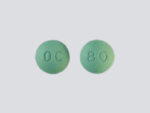
Imagine a 72-year-old man who takes a small daily dose of colchicine to prevent gout flares. He develops a chest infection, and a clinic prescribes clarithromycin. Within a few days, he has severe diarrhea and vomiting. He assumes the antibiotic is upsetting his stomach. A few days later, he is weak, his muscles ache, and his urine has darkened. By the time he reaches the hospital, his blood counts are falling and his kidneys are struggling.
This scenario is illustrative, but it closely mirrors cases described in medical literature. The combination of clarithromycin and colchicine is one of the most dangerous common drug interactions in everyday practice, and deaths have been reported. This article explains why it happens, who is most at risk, what toxicity looks like, and what safer options exist.
The Bottom Line
- Clarithromycin sharply raises colchicine levels in the blood.
- Colchicine has a narrow safety margin, so even a modest increase can be toxic.
- In people with kidney or liver impairment, the combination is contraindicated in US labeling.
- UK product information goes further and says clarithromycin must not be used in people taking colchicine.
- Where the combination cannot be avoided in people with normal kidney and liver function, the colchicine dose must be substantially reduced and the patient closely monitored.
- In most cases, a different antibiotic is the simplest and safest solution.
Why People Take Each Drug
Colchicine
Colchicine is an anti-inflammatory drug derived from the autumn crocus plant. It is used for:
- Treating and preventing gout flares
- Familial Mediterranean fever (FMF)
- Pericarditis (inflammation around the heart)
- Reducing cardiovascular risk in some people with coronary artery disease, using a low-dose formulation approved in the US in 2023
- Off-label uses such as Behçet’s disease
That last use is important. More heart patients now take colchicine long-term, and heart patients are also people who get chest infections and may be prescribed clarithromycin.
Clarithromycin
Clarithromycin is a macrolide antibiotic widely used for respiratory infections, skin infections, H. pylori, and mycobacterial infections. Our article on clarithromycin uses covers the full list.
How the Interaction Works: Two Locks on One Door
Your body clears colchicine through two main routes. Clarithromycin blocks both.
Lock 1: CYP3A4 enzyme in the liver and gut
CYP3A4 is an enzyme that breaks down many medicines, including colchicine. Clarithromycin is a strong CYP3A4 inhibitor. When CYP3A4 is blocked, less colchicine is broken down, and more stays active in the body.
Lock 2: P-glycoprotein (P-gp) transporter
P-gp is a pump found in the gut wall, liver, and kidneys. It pushes colchicine out of cells and into the gut or urine for removal. Clarithromycin also inhibits P-gp. That means more colchicine is absorbed from the gut and less is pumped out through the kidneys and liver.
The combined effect
Blocking both routes at once can multiply colchicine exposure several times over. Colchicine is also stored in tissues and released slowly, so toxicity can build up over days. And because clarithromycin permanently disables the CYP3A4 enzymes it binds to, the effect continues for several days after the last antibiotic dose, until the body makes new enzyme. This is why colchicine labeling asks for a dose adjustment if a strong CYP3A4 inhibitor has been used within the previous 14 days.
Who Is at Highest Risk?
| Risk factor | Why it matters |
|---|---|
| Kidney impairment | Less colchicine removed through the kidneys; contraindicated combination |
| Liver impairment | Less colchicine broken down; contraindicated combination |
| Older age | Kidney function declines with age, often without obvious symptoms |
| Higher colchicine doses | More drug available to accumulate |
| Dehydration from the infection | Temporarily worsens kidney function |
| Other interacting drugs | Statins, certain heart drugs, and antifungals add to risk |
| Low body weight | Higher drug concentration per kilogram |
A widely cited 2005 retrospective study from Hong Kong, published in Clinical Infectious Diseases, found that patients who received clarithromycin and colchicine together had a higher death rate than those who received the drugs separately, and the risk was concentrated in people with kidney impairment. You can find the abstract on PubMed. Later analyses of adverse event reports have continued to link the combination with serious and fatal outcomes.
Symptoms of Colchicine Toxicity: Three Stages
Colchicine toxicity tends to unfold in phases. Recognizing the early phase is critical because the first symptoms are easy to dismiss.
Stage 1: Gut symptoms (first 24 hours to a few days)
- Nausea and vomiting
- Diarrhea, sometimes severe
- Stomach cramps and pain
- Loss of appetite
These can easily be mistaken for antibiotic side effects or a stomach bug, which is part of what makes this interaction so dangerous.
Stage 2: Multi-organ effects (roughly day 1 to 7)
- Muscle weakness and pain (myopathy), sometimes severe muscle breakdown (rhabdomyolysis)
- Dark, cola-colored urine
- Low blood counts, leading to infections, bleeding, or bruising
- Kidney injury
- Low blood pressure and heart rhythm problems
- Breathing difficulty
- Numbness, tingling, or confusion
Stage 3: Recovery (after about 1 week, if the person survives)
- Blood counts begin to recover, sometimes overshooting
- Temporary hair loss
There is no widely available antidote for colchicine poisoning. Treatment is supportive, which is why prevention matters so much.
What the Official Labels Say
| Source | Position |
|---|---|
| US clarithromycin labeling | Contraindicated with colchicine in patients with renal or hepatic impairment; reduce colchicine dose and monitor in others |
| US colchicine labeling | Contraindicated with strong CYP3A4/P-gp inhibitors in renal or hepatic impairment; dose adjustment needed with concurrent use or use within the past 14 days |
| UK clarithromycin product information | Must not be used in patients taking colchicine |
The difference between US and UK wording reflects different regulatory approaches, but both treat the combination as high risk.
What Should Happen If You Need Both?
If you take colchicine and develop an infection, here are the options your doctor will typically consider.
Option 1: Choose a different antibiotic (usually best)
Many antibiotics have no meaningful interaction with colchicine:
- Amoxicillin and amoxicillin-clavulanate
- Cephalosporins such as cephalexin or cefuroxime
- Doxycycline
- Some fluoroquinolones (with their own separate cautions)
Azithromycin is a much weaker CYP3A4 inhibitor than clarithromycin, but it does affect P-gp, and there are case reports of colchicine toxicity with azithromycin as well. It is generally considered lower risk than clarithromycin, but still warrants caution. See our article on azithromycin drug interactions.
Option 2: Pause colchicine temporarily
For people taking colchicine to prevent gout flares, a short pause during the antibiotic course, and for a period afterward, may be reasonable. Your doctor may suggest a different flare plan in the meantime, such as an NSAID or a short course of steroids if suitable for you.
Option 3: Reduce the colchicine dose (only with normal kidney and liver function)
If clarithromycin is truly necessary and colchicine cannot be paused, the colchicine label calls for a significant dose reduction, with close monitoring. This decision should be made by the prescriber, not adjusted at home.
Option 4: Monitor closely
If both drugs are used, watch for diarrhea, vomiting, muscle pain, and weakness. Blood tests to check blood counts, kidney function, and muscle enzymes may be ordered.
Scenario Guide
| Situation | What typically happens |
|---|---|
| Daily colchicine for gout prevention, needs antibiotic for sinusitis | Choose a non-interacting antibiotic, or pause colchicine |
| Colchicine for pericarditis, needs H. pylori treatment | Use a clarithromycin-free regimen such as bismuth quadruple therapy |
| Kidney disease and colchicine, prescribed clarithromycin | Do not combine; ask for an alternative immediately |
| Just finished clarithromycin, gout flare starts | Tell the prescriber; colchicine dosing may need adjustment for up to 14 days |
| Low-dose colchicine for heart protection, needs clarithromycin for MAC | Specialist decision; colchicine is often paused |
For more on H. pylori regimens without clarithromycin, see clarithromycin for H. pylori.
Why This Interaction Slips Through
- Different prescribers. A rheumatologist or cardiologist prescribes colchicine; an urgent care clinician prescribes the antibiotic.
- Different pharmacies. If you fill prescriptions in different places, interaction checks may miss the combination.
- Patients forget to mention colchicine. It is a small tablet many people think of as “just for gout.”
- Early symptoms look harmless. Diarrhea seems like a typical antibiotic side effect.
- Packaged regimens. Some H. pylori packs include clarithromycin, and the name may not stand out.
Other Drugs That Interact With Colchicine
Clarithromycin is not the only concern. Other strong CYP3A4 and P-gp inhibitors include:
- Erythromycin (a weaker but still relevant macrolide)
- Ketoconazole and itraconazole (antifungals)
- Ritonavir and cobicistat (HIV and antiviral boosters, including some COVID-19 antiviral packs)
- Cyclosporine
- Verapamil and diltiazem
- Large amounts of grapefruit juice
Colchicine with statins can also increase the risk of muscle problems. Clarithromycin plus a statin plus colchicine is an especially risky triple. Our guide to clarithromycin drug interactions covers the statin issue in depth.
Clarithromycin, Colchicine, and the Heart
Both drugs can independently affect the heart in rare cases. Clarithromycin can prolong the QT interval, and severe colchicine toxicity can cause heart rhythm problems and cardiovascular collapse. Since colchicine is increasingly used by people with coronary disease, and clarithromycin carries an FDA caution for people with heart disease, this combination deserves extra care in heart patients. Read more in clarithromycin heart risks.
Your Safety Checklist
- Keep an up-to-date list of all your medicines, including colchicine, and show it at every appointment.
- Ask directly: “I take colchicine. Is this antibiotic safe with it?”
- Use one pharmacy where possible.
- Know your kidney function. If you have chronic kidney disease, tell every prescriber.
- If you start clarithromycin and develop diarrhea, vomiting, muscle pain, or weakness, stop and seek medical advice the same day.
- Do not restart colchicine at full dose immediately after a clarithromycin course without asking.
- Seek emergency care for dark urine, severe weakness, confusion, or breathing problems.
Questions to Ask Your Prescriber or Pharmacist
- Is there an antibiotic that does not interact with colchicine?
- Should I pause colchicine while I take this antibiotic? For how long afterward?
- If I keep taking colchicine, what dose should I use?
- Do I need blood tests during treatment?
- What should I do if I get a gout flare while I am off colchicine?
Interaction Timeline: Before, During, and After
| Time point | What is happening | What to watch for |
|---|---|---|
| First 24 hours of clarithromycin | CYP3A4 and P-gp start being blocked; colchicine levels begin to rise | Nausea, loose stools |
| Days 2 to 5 | Colchicine accumulates in tissues | Worsening diarrhea, vomiting, abdominal pain, muscle aches |
| Days 5 to 10 | Toxicity can reach bone marrow, muscles, kidneys | Weakness, dark urine, bruising, fever, breathlessness |
| Up to 14 days after stopping clarithromycin | Enzyme activity slowly recovers | Colchicine dosing may still need adjustment |
Managing Gout While Colchicine Is Paused
If your doctor pauses colchicine during a clarithromycin course, you may worry about a gout flare. Here are common strategies doctors consider:
- Continue urate-lowering therapy such as allopurinol or febuxostat unless told otherwise. These do not have the same dangerous interaction.
- Have a flare plan ready. Depending on your health, this might be an NSAID or a short course of a corticosteroid. NSAIDs are not suitable for everyone, especially people with kidney disease, heart failure, or stomach ulcers.
- Stay hydrated, which helps both gout and kidney function.
- Limit alcohol and high-purine foods during this period.
- Ice and rest the affected joint if a flare starts.
Do not restart colchicine early on your own. Ask your prescriber when it is safe to resume and at what dose.
How Interaction Checks Are Supposed to Work
Electronic prescribing and pharmacy systems flag clarithromycin and colchicine as a serious interaction. Yet cases still occur. Common reasons include:
- Alert fatigue, where busy clinicians override frequent warnings
- Medication lists that are incomplete or outdated
- Prescriptions filled at different pharmacies or bought abroad
- Hospital discharge with new medicines that are not reconciled with home medicines
You are the one constant across every appointment, so your own list is a powerful safety tool. Our broader guide to clarithromycin drug interactions includes a printable approach to medication lists.
Colchicine Safety Beyond This Interaction
- Never exceed the prescribed dose, even during a bad flare. Older high-dose regimens caused frequent toxicity.
- Store it safely. Colchicine overdose in children can be fatal.
- Tell your doctor about muscle pain or weakness, especially if you also take a statin.
- Report persistent diarrhea, even without any new medicine.
- Get regular kidney function checks if you take colchicine long-term.
What If Clarithromycin Is Part of an H. pylori or MAC Regimen?
For H. pylori, there are effective clarithromycin-free regimens, so the interaction can almost always be avoided. Bismuth quadruple therapy is now often preferred anyway because of rising clarithromycin resistance. See clarithromycin resistance for background.
For MAC, macrolides are central to treatment and are taken for many months. Azithromycin is often chosen instead of clarithromycin partly because of its lower interaction burden. If colchicine is truly essential, specialists coordinate closely, and colchicine is often stopped or replaced.
For chest infections, many non-macrolide options exist. Our patient guide to clarithromycin for pneumonia and bronchitis discusses alternatives.
Myths and Facts
| Myth | Fact |
|---|---|
| “Colchicine is a mild gout pill, so interactions are minor.” | Colchicine has a narrow therapeutic window; small increases in levels can be dangerous. |
| “If I feel fine after two days, I’m safe.” | Toxicity can build over several days because colchicine accumulates. |
| “Stopping clarithromycin ends the risk immediately.” | The enzyme-blocking effect can persist for days after the last dose. |
| “Diarrhea is just an antibiotic side effect.” | In someone also taking colchicine, diarrhea can be an early warning sign of toxicity. |
Questions People Commonly Ask Pharmacists
“My doctor already knows I take colchicine. Do I still need to worry?”
It is still worth double-checking. Ask the prescriber directly whether they reviewed the interaction, and confirm with your pharmacist when you fill the antibiotic. Two checks are better than one with an interaction this serious.
“I only take colchicine during flares. Does it still matter?”
Yes. If a flare happens during or within about two weeks after a clarithromycin course, the interaction can still occur. Call your doctor before using colchicine in that window.
“I bought clarithromycin from a different pharmacy while traveling.”
Tell your regular pharmacist and doctor as soon as possible so your records are updated. Watch carefully for early toxicity symptoms.
“What about my statin?”
Clarithromycin is contraindicated with simvastatin and lovastatin and interacts with several other statins. Many doctors pause the statin during a short antibiotic course. Since colchicine and statins can both affect muscles, the triple combination is especially risky.
A Short Note on Grapefruit
Grapefruit and grapefruit juice can also inhibit CYP3A4 in the gut. Colchicine labeling advises caution with grapefruit. While a small amount is unlikely to cause harm on its own, combining grapefruit with clarithromycin and colchicine adds another layer of risk. It is sensible to avoid grapefruit while taking colchicine with any interacting medicine.
Who Should Be Monitored Most Closely?
- Adults over 65
- Anyone with chronic kidney disease, even mild
- People with liver disease or heavy alcohol use
- People who are dehydrated from vomiting, diarrhea, or fever
- People taking statins, calcium channel blockers, or other CYP3A4-affected medicines
- People with heart conditions, including those taking low-dose colchicine for coronary disease
If you fall into any of these groups and are prescribed clarithromycin, ask whether a different antibiotic could be used. For comparisons of common alternatives, see clarithromycin vs amoxicillin and azithromycin vs doxycycline.
Quick Reference Card
Consider copying this card into your phone or wallet if you take colchicine regularly:
| I take | Colchicine (dose: ______ mg, ______ times daily) |
|---|---|
| Reason | Gout / FMF / pericarditis / heart protection |
| Avoid unless my doctor approves | Clarithromycin, erythromycin, ketoconazole, itraconazole, ritonavir-boosted medicines, cyclosporine, verapamil, diltiazem, large amounts of grapefruit |
| Kidney function | Normal / reduced (ask your doctor) |
| Warning signs | Diarrhea, vomiting, muscle pain or weakness, dark urine, unusual bruising, fever |
| If warning signs appear | Stop colchicine and seek medical care the same day |
Show this card to any new prescriber, dentist, urgent care clinician, or pharmacist. It takes seconds and can prevent a dangerous combination. If you are unsure whether you even need an antibiotic, our guide to how long clarithromycin takes to work also explains when infections improve on their own.
Key Takeaways
- Clarithromycin blocks the two main ways the body clears colchicine.
- Colchicine toxicity can be fatal and has no easy antidote.
- The combination is contraindicated with kidney or liver impairment and avoided entirely in UK guidance.
- Early symptoms look like ordinary stomach upset, so do not ignore them.
- Most people can simply use a different antibiotic or pause colchicine under medical advice.
- The interaction can persist for days after clarithromycin is stopped.
Frequently Asked Questions
Can I take clarithromycin and colchicine together if my kidneys are healthy?
US labeling allows it only with a reduced colchicine dose and close monitoring. Many clinicians still prefer a different antibiotic or a temporary pause in colchicine.
How long after stopping clarithromycin can I restart colchicine?
Colchicine labeling calls for dose adjustment if a strong CYP3A4 inhibitor was used within the previous 14 days. Ask your prescriber for a specific plan.
Is azithromycin safe with colchicine?
It is generally lower risk than clarithromycin, but case reports exist. Discuss it with your doctor.
What are the first signs of colchicine toxicity?
Diarrhea, nausea, vomiting, and stomach pain usually come first. Muscle weakness, dark urine, and signs of infection or bleeding may follow.
I took one dose of each. Should I worry?
Contact your pharmacist or doctor promptly for advice. Do not take further doses of either until you have spoken to a professional.
Does the low-dose heart colchicine also interact?
Yes. Its label also warns against use with strong CYP3A4 and P-gp inhibitors.
Can colchicine toxicity happen even at normal doses?
Yes. Fatal cases have been reported with clarithromycin even when colchicine was taken at its usual prescribed dose, which is why the interaction is treated so seriously.
Is it safe to use colchicine with amoxicillin?
Amoxicillin does not block CYP3A4 or P-gp in a meaningful way, so it is not known to cause this interaction. It is often a suitable alternative when the infection allows.
This article is for educational purposes only. Never stop or change prescribed medicines without talking to your healthcare provider.
References and Further Reading
- Hung IF et al. Fatal interaction between clarithromycin and colchicine in patients with renal insufficiency. Clin Infect Dis, 2005
- DailyMed: Colchicine prescribing information
- MedlinePlus: Colchicine
- NHS: Colchicine