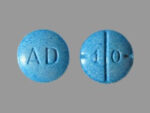
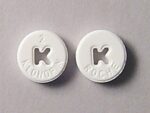
Quick answer: Neither antibiotic is “better” across the board. Doxycycline is the stronger pick for chlamydia, Lyme disease, acne and many tick-borne illnesses. Azithromycin is more convenient, with short courses and fewer doses, and it is often chosen when someone cannot take doxycycline, such as during pregnancy. The right choice depends on the infection, your health history and local resistance patterns.
If you have ever been handed a prescription for a five-day “Z-Pak” one year and a bottle of doxycycline capsules the next, you may have wondered whether your doctor changed their mind. Usually they didn’t. These two antibiotics belong to different families, they hit different bacterial targets, and each has a few infections where it clearly outperforms the other.
This guide walks through those differences condition by condition so you can understand why a clinician reaches for one or the other, what to expect on each, and which questions to ask at your appointment. It is for education only and does not replace advice from the person who has examined you.
The 60-Second Verdict
- Choose doxycycline (generally) for: chlamydia, Lyme disease, rickettsial infections such as Rocky Mountain spotted fever, acne and rosacea, many skin infections, and malaria prevention in some regions.
- Choose azithromycin (generally) for: chlamydia in pregnancy, certain ear, throat and chest infections, travelers’ diarrhea, some typhoid and Campylobacter infections, and when a one-to-five-day course will improve the odds you finish it.
- Either may work: community-acquired pneumonia in selected adults, atypical pneumonia and some sexually transmitted infections, depending on resistance and guideline advice.
- Neither is a cure-all: both are useless against viruses, including colds, flu and most sore throats and sinus infections.
Two Antibiotics, Two Different Families
Azithromycin: the macrolide
Azithromycin (brand names Zithromax and Zmax; the colloquial “Z-Pak”) is a macrolide. Macrolides attach to the 50S portion of the bacterial ribosome and block protein production, which stops bacteria from multiplying so your immune system can clear them. Azithromycin is unusual because it concentrates inside cells and tissues and lingers there. Its elimination half-life is roughly 68 hours, which is why a short course keeps working for days after the last tablet. For a deeper look at timing, see our guide on how long azithromycin stays in your system.
Doxycycline: the tetracycline
Doxycycline is a tetracycline. It binds to the 30S ribosomal subunit and also prevents bacteria from building proteins. It has a shorter half-life, usually 18 to 22 hours, so it is taken once or twice daily across several days or weeks. It also has anti-inflammatory properties, which partly explains its popularity for acne and rosacea.
Why the family matters
Because the two drugs work through different parts of the bacterial machinery, bacteria that resist one often remain sensitive to the other. That is a major reason clinicians switch between them as resistance patterns evolve. It also explains why some side effects and warnings differ: macrolides are best known for stomach upset and heart-rhythm cautions, while tetracyclines are better known for sun sensitivity, esophagus irritation and restrictions in pregnancy and young children.
Side-by-Side Comparison
| Feature | Azithromycin | Doxycycline |
|---|---|---|
| Drug class | Macrolide | Tetracycline |
| Typical course length | 1 to 5 days | 7 to 14 days (longer for acne or Lyme in some cases) |
| Doses per day | Once daily | Once or twice daily |
| Elimination half-life | About 68 hours | About 18 to 22 hours |
| Preferred for chlamydia | Alternative option | First-line (CDC) |
| Preferred for Lyme disease | Backup only | First-line for most adults and older children |
| Safe in pregnancy | Generally considered acceptable when needed | Usually avoided |
| Common side effects | Diarrhea, nausea, abdominal pain | Nausea, sun sensitivity, esophagus irritation |
| Heart-rhythm (QT) warning | Yes | Not a standard concern |
| Interacts with antacids | Aluminum and magnesium antacids may lower peak levels | Calcium, iron, magnesium and zinc reduce absorption |
| Generic availability and cost | Widely available, low cost | Widely available, low cost |
Infection by Infection: Who Wins?
Chlamydia and other sexually transmitted infections
For years the standard answer was a single 1 gram dose of azithromycin, and doctors loved it because adherence was guaranteed in the clinic. In 2021 the CDC changed its guidance. Its updated STI guidelines now list doxycycline 100 mg twice daily for seven days as the preferred regimen for chlamydia, with azithromycin as an alternative. The reasoning is mostly about rectal infections, where a well-known randomized trial in the New England Journal of Medicine reported that doxycycline cleared essentially all infections while azithromycin missed roughly one in four. For genital infections the two performed similarly, with a small edge for doxycycline in some analyses.
Azithromycin remains the standard choice in pregnancy because doxycycline is generally avoided. It may also be used when someone cannot realistically complete a week of twice-daily pills. For a complete dosing and follow-up walkthrough, read our azithromycin for chlamydia treatment guide.
Two further points are worth knowing:
- For Mycoplasma genitalium, macrolide resistance is common, so clinicians increasingly rely on resistance testing and sequential regimens instead of azithromycin alone.
- For gonorrhea, azithromycin is no longer routinely paired with ceftriaxone. If chlamydia has not been ruled out, doxycycline is the add-on of choice.
Read the full recommendations on the CDC chlamydia treatment page.
Pneumonia and bronchitis
Adult community-acquired pneumonia guidelines from the Infectious Diseases Society of America (IDSA) and the American Thoracic Society favor amoxicillin, doxycycline or, in places where resistance is low, a macrolide for otherwise healthy outpatients. People with other health conditions are usually given combination therapy that pairs a beta-lactam with either a macrolide or doxycycline, or a respiratory fluoroquinolone alone. In other words, both drugs have a place, but azithromycin alone is not guaranteed to work because roughly a third or more of pneumococcal strains in many US regions can be macrolide-resistant. Read more in azithromycin for pneumonia: what to expect.
Acute bronchitis, by contrast, is viral in the vast majority of cases. Neither drug helps, and taking one only increases the chance of side effects and resistance.
Sinus infections
Most sinus infections are viral and resolve within 7 to 10 days. When bacteria are suspected, IDSA guidance points toward amoxicillin-clavulanate first, with doxycycline as one alternative. Azithromycin is not recommended as a routine option because the bacteria commonly involved are often resistant to macrolides. If you were given azithromycin for sinus pressure, it is fair to ask why. We cover the evidence in azithromycin for sinus infections: does it work?
Ear, throat and strep
Strep throat is usually treated with penicillin or amoxicillin. Azithromycin is reserved for people with penicillin allergy, and resistance among strep bacteria can limit its usefulness. Doxycycline is not used for strep throat. If you are comparing macrolides with penicillin-type drugs, see our amoxicillin for strep throat guide and our comparison of amoxicillin vs azithromycin.
Lyme disease and tick-borne illness
Doxycycline is the workhorse here. It treats early Lyme disease, is effective against anaplasmosis and ehrlichiosis, and is the treatment of choice for Rocky Mountain spotted fever, where delays can be dangerous. A single dose of doxycycline is also sometimes used to lower the risk of Lyme after a high-risk tick bite in certain regions. Azithromycin is considered a less effective backup for people who cannot take doxycycline, amoxicillin or cefuroxime.
Acne, rosacea and skin infections
Dermatologists commonly prescribe doxycycline for moderate inflammatory acne and rosacea, often for weeks to months, usually alongside topical treatment, and ideally with a plan to stop once control is achieved. Azithromycin is used occasionally in pulse regimens when tetracyclines are not appropriate, but this is less common and less supported by evidence. Doxycycline also covers many community-acquired MRSA skin infections.
Traveler’s diarrhea, typhoid and other gut infections
Azithromycin often wins here. For traveler’s diarrhea acquired in regions with fluoroquinolone-resistant Campylobacter, such as parts of South and Southeast Asia, azithromycin is a standard option. It is also used in some typhoid and cholera cases, and in children where a single-dose approach helps. Doxycycline is used for cholera in certain situations but is less commonly chosen for acute traveler’s diarrhea.
Other uses
- Doxycycline: malaria prophylaxis, anthrax exposure, plague, leptospirosis, periodontitis (low-dose forms), and some respiratory infections.
- Azithromycin: trachoma control programs, prevention of Mycobacterium avium complex in advanced HIV in some settings, and long-term low-dose use in selected people with chronic lung disease under specialist supervision.
Typical Dosing: What the Labels and Guidelines Show
Your prescriber sets the dose after considering your age, weight, kidney and liver function and the infection being treated. The patterns below are commonly cited adult examples and not personal instructions.
Azithromycin
- Five-day “Z-Pak”: 500 mg on day 1, then 250 mg once daily on days 2 to 5.
- Three-day course: 500 mg once daily for three days for some respiratory infections.
- Single dose: 1 gram once, as used for some genital infections or when a one-time regimen is chosen.
Doxycycline
- Chlamydia: 100 mg twice daily for 7 days.
- Respiratory and skin infections: 100 mg once or twice daily for roughly 5 to 14 days, sometimes with a higher first-day dose.
- Acne or rosacea: lower or modified-release doses, often for several weeks.
The most common reason antibiotics fail is not the drug itself but unfinished or skipped doses. A one-day or five-day azithromycin course is easier to complete. Doxycycline asks more of you, and that matters. If a week of twice-daily dosing sounds hard, say so before you leave the clinic or pharmacy, because there may be a workable alternative.
Side Effects Head to Head
Azithromycin
- Common: diarrhea, loose stools, nausea, vomiting and abdominal cramps. These tend to be dose-related and settle after the course ends.
- Less common: headache, dizziness, taste changes, rash.
- Serious but rare: abnormal heart rhythm from QT prolongation (the FDA issued a safety communication on this), severe allergic reactions, liver injury, and C. difficile infection, which can appear during or weeks after antibiotics.
Read the official MedlinePlus azithromycin drug information and the FDA heart-rhythm safety communication for complete details.
Doxycycline
- Common: nausea, upset stomach, and photosensitivity, meaning you can burn much faster than normal.
- Specific to this drug: pill esophagitis, where a capsule lodges in the esophagus and causes burning pain on swallowing. This is largely preventable, as explained below.
- Women: vaginal yeast infections can occur with either antibiotic, but are reported fairly often with tetracyclines.
- Serious but rare: severe skin reactions, increased pressure around the brain (intracranial hypertension, with persistent headache and vision changes), liver problems, and C. difficile infection.
See the MedlinePlus doxycycline page for labeled warnings.
Which one upsets the stomach more?
Both can cause nausea. Azithromycin more often causes diarrhea, particularly at the higher single dose. Doxycycline more often causes nausea and irritation, which is why a meal or snack helps. Taking either on a completely empty stomach is not recommended if you notice discomfort, though doxycycline should still be accompanied by plenty of water.
Who Should Be Cautious or Avoid Each Drug
Pregnancy and breastfeeding
Doxycycline is generally avoided during pregnancy because tetracyclines can affect developing teeth and bones. Azithromycin is considered a reasonable option when an antibiotic is needed, and it is the usual chlamydia treatment in pregnancy. Penicillin-class drugs are often preferred for many other infections; see our amoxicillin during pregnancy article for that side of the picture. For a detailed look at macrolide safety, read azithromycin during pregnancy: safety facts. If you are breastfeeding, tell your prescriber so they can pick the most suitable option.
Children
Doxycycline was historically avoided in young children because of tooth discoloration with repeated or prolonged tetracycline use. Current pediatric guidance accepts short courses for specific serious infections, such as Rocky Mountain spotted fever, where the benefit is clear. Azithromycin is widely used in children in weight-based liquid form. Parents can learn more in azithromycin for kids: dosage and side effects.
Heart rhythm concerns
Azithromycin can lengthen the QT interval, which in rare cases leads to a dangerous rhythm. People with known long QT syndrome, a slow heartbeat, low potassium or magnesium, or significant heart disease, and those taking other QT-prolonging medications, deserve extra care. Doxycycline does not carry that same standard warning, which can make it the safer pick for some cardiac patients.
Liver and kidney disease
Azithromycin is cleared mainly through bile, so people with significant liver disease may need caution. Doxycycline is typically considered easier in kidney disease than many other antibiotics, but your clinician will still check your overall picture.
Allergies
Allergy to one macrolide generally points to caution with other macrolides. Tetracycline allergy is uncommon but real. If you carry a penicillin allergy label, ask whether it has been verified, because many labels turn out to be inaccurate. Our guide to amoxicillin allergy explains how this testing works.
Interactions: A Quick Snapshot
Neither drug is a particularly heavy interaction offender, but a few combinations matter:
- Antacids, calcium, iron, magnesium and zinc: these bind doxycycline in the gut and reduce absorption. Separate them by two to three hours. Aluminum and magnesium antacids can reduce azithromycin peak levels, so most labels advise spacing them out by about two hours.
- Warfarin: either antibiotic may increase bleeding risk or change INR readings, so extra monitoring is common.
- QT-prolonging drugs with azithromycin: examples include amiodarone, sotalol, citalopram, ondansetron and some antipsychotics.
- Isotretinoin with doxycycline: the combination is generally avoided because both can raise pressure around the brain.
- Hormonal birth control: current evidence does not show that routine doses of either antibiotic weaken it, though vomiting or severe diarrhea can.
Our upcoming azithromycin drug interactions guide covers this in far more depth.
Antibiotic Resistance: Why Prescribers Sometimes Switch
Every antibiotic course pressures bacteria to adapt. Azithromycin’s long half-life leaves low drug levels in the body for days, a window that can favor resistant bacteria, and its broad outpatient use has contributed to macrolide resistance in pneumococci, Mycoplasma genitalium and some strep strains. Doxycycline resistance exists as well, but for many of the infections discussed here it remains reliable. Local antibiograms (summaries of which bacteria resist which drugs in your area) help clinicians choose, which is why your friend’s prescription may differ from yours even for the “same” illness.
You can help by taking antibiotics only when prescribed, finishing the course unless a clinician tells you to stop, never sharing leftovers, and not pushing for an antibiotic when a viral illness is the likely cause.
How to Take Each Antibiotic Safely
Azithromycin tips
- Tablets can be taken with or without food. Taking them with food may ease stomach upset.
- Take it at about the same time each day.
- If you use an antacid, space it at least two hours from your azithromycin dose unless your pharmacist advises otherwise.
- Seek help promptly for fainting, a racing or irregular heartbeat, severe diarrhea, yellowing skin or eyes, or a spreading rash.
Doxycycline tips
- Swallow each capsule or tablet with a full glass of water.
- Stay upright for at least 30 minutes afterward, and avoid taking it right before lying down.
- Use sunscreen, protective clothing and shade. Sun sensitivity can occur even on cloudy days.
- Keep dairy, calcium supplements, iron and antacids away from your dose by a few hours.
- Use a back-up plan if you miss doses, because missing them lowers cure odds. Ask your pharmacist for a reminder system.
How to Decide: Questions to Bring to Your Appointment
- What infection do you think I have, and is it likely bacterial?
- Is this the first-line option in current guidelines, or a backup?
- Do my other medications or health conditions change the choice?
- If I am pregnant, may become pregnant, or am breastfeeding, is this safe?
- What side effects should make me stop and call you?
- What if I do not improve in 48 to 72 hours?
When to Get Medical Help Urgently
Call your clinician or seek emergency care for any of the following during or after treatment:
- Swelling of the lips, tongue or throat, trouble breathing, or hives that spread quickly.
- Fainting, chest pain, or a pounding or uneven heartbeat.
- Severe, watery or bloody diarrhea, especially if it begins during or after antibiotics.
- Blistering or peeling skin, mouth sores, or a rash with fever.
- A severe, persistent headache with vision changes.
- Fever or breathing difficulty that worsens after two to three days of treatment.
Frequently Asked Questions
Is azithromycin stronger than doxycycline?
“Stronger” is not a useful measure, because each drug is better against different bacteria. Azithromycin is not more powerful across the board, and doxycycline is not either. Effectiveness depends on the organism, the site of infection and local resistance.
Can I take azithromycin and doxycycline together?
Sometimes clinicians do prescribe both, for instance when covering several possible causes of a serious chest infection or when treating complex sexually transmitted infections. It should only be done on a prescriber’s instruction, because the combination increases side-effect risk without helping most routine infections.
Which one is better for a UTI?
Neither is a standard choice for common urinary tract infections. Other antibiotics are preferred. Our article can azithromycin treat a UTI? explains why, and when a chlamydia-related urethral infection is the exception.
Which one works faster?
Many people feel better within two to three days of either antibiotic when a bacterial infection is the cause. Azithromycin’s convenience is that it keeps working after the short course ends, but that does not mean symptoms vanish sooner.
Can I drink alcohol with either antibiotic?
Neither has the severe alcohol reaction seen with metronidazole. Still, alcohol can worsen nausea, dehydration and sleep, and it may slow recovery, so most clinicians suggest avoiding it until you feel well.
Why did my doctor choose doxycycline for chlamydia instead of the single dose?
Because current CDC guidance ranks doxycycline as first-line, mainly for its stronger performance against rectal infections and its overall reliability. Azithromycin still has a role, especially in pregnancy.
Is doxycycline safe for long-term acne treatment?
It is widely used for months under dermatology supervision, but guidelines encourage limiting duration and pairing it with topical therapy to reduce resistance. Regular check-ins and sun protection are part of safe use.
The Bottom Line
Azithromycin and doxycycline are both valuable, inexpensive antibiotics, and each has situations where it is the smarter pick. Doxycycline leads for chlamydia, Lyme disease, rickettsial infections and acne, while azithromycin shines when you need a short course, are pregnant, or are treating certain gut and respiratory infections. The best antibiotic is the one that matches your infection, fits your health profile and is actually completed.
If you are unsure about a prescription, ask your doctor or pharmacist before changing anything. Do not stop or swap antibiotics on your own.
Related Reading
- Amoxicillin vs Azithromycin
- Azithromycin vs Clarithromycin: Macrolide Comparison
- Amoxicillin Side Effects
- More health guides on Healthetive
Medical disclaimer: This article is for general education and does not replace professional medical advice, diagnosis or treatment. Always consult a qualified healthcare provider about your condition and medications. Medically reviewed by: [Reviewer name, credentials]. Last updated: [date].