Clindamycin is one of those antibiotics that people hear about in very different settings. A dentist prescribes it for someone with a penicillin allergy. A dermatologist uses a gel version for acne. A hospital team reaches for the intravenous form for a deep infection. A gynecologist recommends a cream for bacterial vaginosis. Same drug name, very different jobs.
This guide works like a directory. Instead of a single list, we group clindamycin’s uses by body system, explain *why* clindamycin is chosen in each case, and then cover the equally important question: what it does not treat. Along the way you will learn the forms and strengths, why it comes with a serious warning about severe diarrhea, and what questions to ask when it is prescribed for you.
Quick answer: Clindamycin is a prescription antibiotic used for certain serious bacterial infections, especially those caused by anaerobic bacteria and by staph and strep, including some skin, bone, dental, lung, pelvic and abdominal infections. It is often chosen when a person is allergic to penicillin. It does not work against viruses such as colds and flu, and it is reserved for infections where it is truly needed because of a risk of C. difficile colitis.
In This Article
- What Is Clindamycin?
- What Bacteria Does Clindamycin Cover?
- Clindamycin Uses by Body System
- Why Doctors Choose Clindamycin: Five Common Reasons
- Resistance and the D-Test: Why “Susceptible” Matters
- Clindamycin in Children
- Three Short Case Examples
- What Clindamycin Does Not Treat
- Clindamycin Compared With Other Common Antibiotics
- Forms and Strengths at a Glance
- The Big Trade-Off: Benefits vs C. Difficile Risk
- Who Should Be Cautious With Clindamycin?
- How to Get the Most Benefit and Stay Safe
- Questions to Ask Your Doctor When Prescribed Clindamycin
- Frequently Asked Questions
- The Bottom Line
- Sources and Further Reading
What Is Clindamycin?
Clindamycin is an antibiotic in the lincosamide family. It works by attaching to the 50S subunit of the bacterial ribosome, the structure bacteria use to build proteins. Without the ability to make proteins, bacteria cannot grow and multiply, and the immune system can clear them. At lower concentrations it stops growth (bacteriostatic), and at higher concentrations against some bacteria it may kill them (bactericidal).
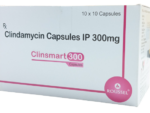
It was first introduced in the 1960s, and it is sold under brand names such as Cleocin, along with many generics. It comes in several forms:
- Capsules (commonly 75 mg, 150 mg and 300 mg)
- Oral solution for children and people who cannot swallow capsules
- Injection or intravenous infusion for hospital use
- Topical gel, lotion, solution or foam for acne
- Vaginal cream or ovules (suppositories) for bacterial vaginosis
The topical and vaginal forms are absorbed far less than the oral and injected forms, and they carry a lower risk of whole-body side effects. We cover those in separate guides, such as topical clindamycin for acne.
What Bacteria Does Clindamycin Cover?
Understanding what clindamycin covers explains almost every one of its uses.
It works well against:
- Anaerobic bacteria, which thrive without oxygen, such as Bacteroides fragilis, Fusobacterium, Peptostreptococcus and many oral anaerobes. This is why it is used for dental, abdominal and pelvic infections, lung abscesses and deep tissue infections.
- Gram-positive cocci, including many strains of *Staphylococcus aureus* and *Streptococcus* species. This includes many strains of community-acquired MRSA, though not all.
- Some parasites, including *Toxoplasma gondii* and the malaria parasite *Plasmodium falciparum* when combined with other medicines.
It does not work well against:
- Most gram-negative aerobic bacteria, such as *E. coli*, *Klebsiella* and *Pseudomonas*. That means it is not a good stand-alone treatment for most urinary tract infections.
- Enterococci.
- Viruses and fungi.
- Some resistant staph strains, which may carry inducible resistance. Labs sometimes run a “D-test” to check this.
- ***Clostridioides difficile*,** which it can actually promote (more on that in our guide on clindamycin side effects and C. diff risk).
Clindamycin Uses by Body System
1. Skin and soft tissue infections
This is one of the most common uses. Clindamycin may be prescribed for:
- Cellulitis where staph or strep are likely, particularly in people allergic to penicillin
- Skin abscesses and boils, often after a clinician drains them, if antibiotics are needed
- Infected wounds and bites with a mixed bacterial picture
- Impetigo or infected eczema in certain cases
- Community-acquired MRSA skin infections, if the local strain is susceptible
- Necrotizing infections and toxic shock syndrome, in hospital settings, where clindamycin is sometimes added to other antibiotics because it can reduce production of bacterial toxins
For simple skin infections, other antibiotics may be first-line, and many small abscesses are treated mostly by drainage. The decision depends on severity, local resistance patterns and your allergy history.
2. Dental and oral infections
Dentists and oral surgeons use clindamycin for infections caused by mouth bacteria, many of which are anaerobes. It is commonly an option for people who cannot take penicillin. But the evidence for antibiotics in dental infections is more nuanced than people expect. Drainage and dental treatment are the mainstays, and in many cases antibiotics are used only when there is spread of infection or systemic illness. We unpack this in clindamycin for tooth infections: what the evidence shows. For the more common first-line option, see amoxicillin for tooth infection.
3. Bone and joint infections
Clindamycin penetrates bone better than many antibiotics, which is why it is used in some cases of osteomyelitis (bone infection) and septic arthritis (joint infection), particularly those caused by staph. These infections usually require specialist care, often a combination of surgery and a long course of antibiotics.
4. Respiratory tract infections
Clindamycin has a role in a few specific lung infections:
- Lung abscess and empyema, where anaerobes are involved
- Aspiration pneumonia, when stomach or mouth contents enter the lungs (though current guidelines increasingly favor other options in many cases)
- Necrotizing pneumonia caused by staph
It is not typically first-line for ordinary community-acquired pneumonia, sinus infections or bronchitis. For comparison with antibiotics more commonly used for chest and sinus infections, see azithromycin vs doxycycline and amoxicillin vs azithromycin.
5. Abdominal and pelvic infections
Because clindamycin covers anaerobes, it is used in combination with other drugs that cover gram-negative bacteria for infections such as:
- Intra-abdominal infections like abscesses or infections after bowel perforation
- Pelvic inflammatory disease (PID), where clindamycin plus gentamicin is a recognized regimen in certain situations
- Post-surgical gynecologic infections
- Endometritis (infection of the uterine lining), including after delivery
On its own, clindamycin would miss the gram-negative bacteria in these infections, which is why it is paired.
6. Bacterial vaginosis (BV)
Clindamycin vaginal cream or ovules and, less often, oral clindamycin, are used to treat bacterial vaginosis, an imbalance of vaginal bacteria. Metronidazole is another common option. The topical vaginal form acts locally with limited absorption. Note that the cream can weaken latex condoms and diaphragms during treatment and for a few days after, so ask your clinician or pharmacist.
7. Strep throat and tonsillitis in penicillin allergy
Penicillin or amoxicillin is the first choice for strep throat. For people with a true penicillin allergy, clindamycin is one of the alternatives, along with some others. See amoxicillin for strep throat for the first-line approach and amoxicillin allergy for what an allergy really means.
8. Pregnancy-related uses
- Group B Streptococcus (GBS) prophylaxis in labor for people with a penicillin allergy at low risk of anaphylaxis, when the GBS isolate is susceptible to clindamycin.
- Treatment of BV or certain pelvic infections during pregnancy, where it is considered an option by many clinicians.
Your obstetric provider chooses the safest option for your situation.
9. Parasitic infections
Clindamycin is used as part of treatment for:
- Malaria caused by *Plasmodium falciparum*, in combination with quinine, especially when other options are not suitable
- Babesiosis, a tick-borne parasitic disease, with quinine
- Toxoplasmosis, including in people with HIV when other drugs cannot be used
- Pneumocystis pneumonia, in combination with primaquine, as an alternative regimen
These are specialist-directed uses.
10. Acne and skin conditions (topical forms)
Topical clindamycin 1 percent in gel, lotion, solution or foam is used for inflammatory acne. It is often combined with benzoyl peroxide to reduce bacterial resistance. Topical clindamycin is also sometimes used for rosacea-like pustules or folliculitis. See our full guide on how to use topical clindamycin for acne.
11. Endocarditis prevention (historical use)
For many years, clindamycin was recommended as a single pre-procedure dose for some people at high risk of infective endocarditis who were allergic to penicillin. Current American Heart Association guidance no longer recommends clindamycin for this purpose because of the risk of C. difficile and severe reactions, and favors other antibiotics such as azithromycin, clarithromycin or doxycycline in these cases. If you were previously told to take clindamycin before dental work, ask your cardiologist and dentist whether your plan has changed.
Why Doctors Choose Clindamycin: Five Common Reasons
| Reason | Example |
|---|---|
| Penicillin allergy | Dental infection, strep throat, skin infection |
| Anaerobic coverage needed | Abdominal abscess, lung abscess, deep tissue infections |
| Suspected MRSA | Skin abscess in an area where local MRSA strains are susceptible |
| Good bone penetration | Osteomyelitis from staph |
| Toxin suppression | Severe invasive strep or staph infections |
Resistance and the D-Test: Why “Susceptible” Matters
Antibiotic choice is not just about the type of infection. It is also about what the local bacteria are doing. Staphylococcus aureus is a good example. Many staph strains have resistance to macrolide antibiotics such as erythromycin. In some of those strains, clindamycin resistance is hidden, or “inducible,” meaning it switches on when the bacteria are exposed to the drug. A laboratory test called the D-test (the name comes from the D-shaped zone of bacterial inhibition on the test plate) looks for this. If the D-test is positive, clindamycin may fail during treatment even though the first lab result looked susceptible, and doctors usually choose a different antibiotic.
What this means in practice:
- If you have a skin abscess and the clinic sends a swab for culture, ask whether clindamycin sensitivity and the D-test were checked.
- If your infection is not improving after two to three days of treatment, call your clinician rather than waiting.
- Local resistance rates vary by region and by hospital, so the same infection may be treated with different antibiotics in different places.
Resistance is also a reason to avoid using clindamycin when it is not needed. Every unnecessary course gives bacteria another chance to adapt.
Clindamycin in Children
Clindamycin is used in children for similar infections: skin and soft tissue infections, bone and joint infections, certain dental infections and, in specific circumstances, severe infections requiring added toxin suppression. Pediatric dosing is weight-based and is divided into several daily doses, so your child’s weight matters. The oral solution has a distinctive taste that children often dislike, which can make completing the course a challenge. Ask your pharmacist about flavoring options and mixing guidance, and never use household spoons for measuring. Because of the risk of diarrhea, watch young children carefully for watery stools, fever or refusal to drink, and call the pediatrician early. Children in daycare are also at higher risk of passing C. difficile to others, so hand washing with soap and water, rather than alcohol rub alone, matters during and after treatment.
Three Short Case Examples
These composites show how clindamycin decisions are made. They are illustrations, not medical advice.
Case 1: A boil in a person with penicillin allergy. A 28-year-old develops a painful red lump on the thigh. The clinician drains it and sends a culture. Because the person reports a penicillin allergy, and community MRSA is common locally, the clinician prescribes clindamycin for several days and asks the person to return if fever or spreading redness develops.
Case 2: A dental abscess. A 45-year-old has facial swelling and a tooth that needs treatment. The dentist arranges drainage and root canal or extraction. An antibiotic is added because of swelling and fever. Since the patient has a documented severe reaction to amoxicillin, clindamycin is chosen. The dentist warns the patient about diarrhea. See clindamycin for tooth infections.
Case 3: Bacterial vaginosis. A 31-year-old has a fishy discharge, and the clinician diagnoses BV. Clindamycin vaginal cream is prescribed for a week, and she is told that it can weaken latex condoms.
What Clindamycin Does Not Treat
Misuse of antibiotics fuels resistance and exposes people to side effects without benefit. Clindamycin is not appropriate for:
- Colds, flu, COVID-19 and most sore throats, which are caused by viruses
- Most bronchitis, which is usually viral
- Most ear infections and sinus infections, where other antibiotics are preferred if an antibiotic is needed at all
- Typical urinary tract infections, since gram-negative bacteria like *E. coli* are usually resistant
- Fungal infections such as athlete’s foot, ringworm and yeast infections
- Stomach bugs or traveler’s diarrhea in most cases
- General “prevention” of infection without a specific reason
If you are prescribed clindamycin for something on this list, it is reasonable to ask why.
Clindamycin Compared With Other Common Antibiotics
| Antibiotic | Class | Typical strengths | Notable cautions |
|---|---|---|---|
| Clindamycin | Lincosamide | Anaerobes, staph, strep, bone penetration | C. difficile risk; boxed warning |
| Amoxicillin | Penicillin | Common ear, sinus, throat, dental infections | Penicillin allergy; see amoxicillin uses |
| Azithromycin | Macrolide | Respiratory infections, some STIs | QT effects; see azithromycin and heart rhythm |
| Doxycycline | Tetracycline | Atypical pneumonia, acne, tick-borne illness | Sun sensitivity, esophageal irritation |
| Metronidazole | Nitroimidazole | Anaerobes and parasites | Alcohol caution (disulfiram-like reaction) |
For a direct comparison of clindamycin and amoxicillin, read clindamycin vs amoxicillin: which is better?
Forms and Strengths at a Glance
| Form | Typical use | Notes |
|---|---|---|
| Oral capsules (75, 150, 300 mg) | Skin, dental, bone, respiratory and other infections | Take with a full glass of water to protect the esophagus |
| Oral solution (75 mg per 5 mL) | Children and those who cannot swallow capsules | Follow the volume your clinician gives; discard after the labeled period |
| IV or injection | Serious infections in hospital | Given by healthcare staff |
| Topical gel, lotion, solution, foam (1%) | Acne | Limited absorption; combine with benzoyl peroxide as directed |
| Vaginal cream or ovules | Bacterial vaginosis | Can weaken latex condoms |
Details on strengths, timing and what to do if you miss a dose are in our clindamycin dosage guide.
The Big Trade-Off: Benefits vs C. Difficile Risk
Clindamycin carries a boxed warning (the FDA’s strongest label warning) about *Clostridioides difficile*-associated diarrhea, which can range from mild diarrhea to a severe, life-threatening colitis. Any antibiotic can cause C. diff, but clindamycin is among those most strongly associated with it. The risk is one of the main reasons doctors reserve oral and injected clindamycin for infections where it offers a clear benefit and avoid it for minor or viral illnesses.
If you develop watery diarrhea, severe belly pain, fever or blood in the stool during or even weeks after treatment, contact a doctor promptly and do not take anti-diarrhea medicine unless advised. Read more in clindamycin side effects and C. diff risk. The topic of antibiotic-related diarrhea is also discussed in our guide on amoxicillin and diarrhea.
Who Should Be Cautious With Clindamycin?
Tell your doctor before starting if you have:
- A history of C. difficile or severe colitis
- Inflammatory bowel disease (Crohn’s disease, ulcerative colitis)
- Liver disease or kidney disease, since levels may change
- An allergy to clindamycin or lincomycin
- Asthma, eczema or allergies, which raise the odds of drug reactions in general
- Pregnancy or breastfeeding
- Neuromuscular disease such as myasthenia gravis, because clindamycin can have neuromuscular blocking effects
- Use of other medicines that affect muscle function, or certain medicines processed by the liver enzyme CYP3A4
Also mention if you take erythromycin, which can antagonize clindamycin, or neuromuscular blocking agents if you are heading for surgery.
How to Get the Most Benefit and Stay Safe
- Take it exactly as prescribed. Do not skip doses or stop early without asking.
- Take capsules with a full glass of water and remain upright for a while, because capsules can irritate the esophagus.
- Space doses evenly across the day, unless told otherwise.
- Finish the course your clinician intended, and do not save leftovers.
- Do not share antibiotics.
- Report diarrhea early, even if it starts after you finish.
- Do not combine with anti-diarrheal drugs such as loperamide without medical advice.
- Tell every clinician and pharmacist about your antibiotic use.
- Ask about probiotics. Evidence is mixed, so ask your doctor rather than assume.
- Check alcohol advice. See clindamycin and alcohol.
Questions to Ask Your Doctor When Prescribed Clindamycin
- What infection are you treating, and how do you know bacteria are the cause?
- Is clindamycin the best option, or is there a safer one that works equally well?
- Is this because of an allergy? Should I be tested to confirm my penicillin allergy?
- How long will I take it, and how many times a day?
- What side effects should make me call you?
- What should I do if I get diarrhea?
- Do I need a follow-up visit, or a drainage procedure instead of or in addition to the antibiotic?
Frequently Asked Questions
What is clindamycin most commonly used for?
Skin and soft tissue infections, dental infections, certain bone, lung and pelvic infections and, in topical form, acne are among the most common uses.
Is clindamycin a strong antibiotic?
It is not “stronger” overall, but it has a particular spectrum that includes anaerobes and many staph strains. It is chosen for specific situations rather than as a general-purpose antibiotic.
Can clindamycin treat a UTI?
Not usually. Most urinary tract infections involve gram-negative bacteria that clindamycin does not cover.
Can clindamycin treat a sinus infection or strep throat?
It is an alternative for strep throat in penicillin allergy, and sometimes used for resistant bacterial sinus infections, but it is not typically first-line.
Is clindamycin safe in pregnancy?
It is used in pregnancy for certain infections, including GBS prophylaxis in penicillin-allergic patients, when benefits outweigh risks. Your provider will decide.
Is clindamycin a penicillin?
No. It is a different antibiotic class, which is why it can be used when someone has a penicillin allergy.
Why does clindamycin cause diarrhea?
It disrupts normal gut bacteria, which can allow *C. difficile* to overgrow and release toxins.
Can I drink alcohol on clindamycin?
The label does not prohibit it, but alcohol can worsen stomach upset and dehydration. See our guide.
The Bottom Line
Clindamycin is a useful antibiotic with a specific job description: anaerobes, staph and strep, bone, certain dental and pelvic infections, and acne in its topical form. It is often the go-to alternative when penicillin is not an option. Its serious drawback is the risk of C. difficile infection, which is why it should be used when truly needed and monitored carefully.
If you have been prescribed clindamycin, follow the directions, ask questions and report diarrhea early. For more antibiotic guides, explore our health tips library or contact us.
Sources and Further Reading
- MedlinePlus: Clindamycin
- DailyMed: official FDA drug labels (search clindamycin)
- CDC: Antibiotic use and C. difficile
- American Heart Association: Prevention of viridans group streptococcal infective endocarditis
Medical disclaimer: This article is for general education and does not replace advice from a doctor, pharmacist or other qualified health professional. Antibiotics should only be used as prescribed. Always seek medical advice for diagnosis and treatment.