A throbbing tooth, a swollen cheek and a bad taste in your mouth are a miserable combination. If a dentist or urgent care clinician hands you a prescription for clindamycin, you may wonder whether this is the right antibiotic, whether you need one at all and what the research really says.
This guide takes an evidence-review approach. Instead of simply listing what clindamycin does, we take the common claims people hear about tooth infections and antibiotics, one at a time, and show what guidelines and studies actually support. You will see where clindamycin fits, where it does not, what the dental profession itself says about antibiotics and what warning signs mean you should skip the pharmacy and go to an emergency room.
Quick answer: For most tooth infections, the main treatment is dental: draining the infection, and treating or removing the tooth. Antibiotics are mainly for infections that have spread or cause fever or serious swelling. When an antibiotic is needed, penicillin or amoxicillin is usually first choice. Clindamycin is mainly an alternative for people with a true penicillin allergy, and it has a higher risk of C. diff diarrhea. A tooth infection with facial swelling, trouble swallowing or breathing, or fever is an emergency.
In This Article
- Why Tooth Infections Matter
- Claim 1: “A Tooth Infection Needs Antibiotics”
- Claim 2: “Clindamycin Is the Best Antibiotic for Tooth Infections”
- Claim 3: “I Am Allergic to Penicillin, So Clindamycin Is My Only Option”
- Claim 4: “Antibiotics Will Stop My Toothache Quickly”
- Claim 5: “A Longer Antibiotic Course Is Safer”
- Claim 6: “Clindamycin Prevents Heart Infections Before Dental Work”
- How Clindamycin Compares in Practice
- What Typical Clindamycin Use Looks Like in Dental Care
- Understanding the Types of Dental Infection
- What an Appointment Usually Looks Like
- What to Do While You Wait for Dental Treatment
- Why Antibiotic Stewardship Matters in Dentistry
- Red Flags: When a Tooth Infection Is an Emergency
- Who Should Be Extra Careful With Clindamycin
- Alcohol, Pain Medicines and Other Practical Questions
- Preventing Future Tooth Infections
- Frequently Asked Questions
- The Bottom Line
- Sources and Further Reading
Why Tooth Infections Matter
A tooth infection, or dental abscess, happens when bacteria invade the inside of a tooth (the pulp) or the gum and bone around it. The usual causes are deep decay, a cracked or damaged tooth, a previous filling that has failed or gum disease. The bacteria involved are mostly the same ones that normally live in your mouth, many of them anaerobes, which explains why antibiotics that cover anaerobes get discussed.
Infections can stay localized, causing pain and a pus-filled pocket, or can spread to the face, jaw, neck and even the chest. Spread is uncommon but can be life-threatening. This is why tooth infections deserve prompt care.
Claim 1: “A Tooth Infection Needs Antibiotics”
What the evidence shows: Not always, and often not by themselves.
Dental professional guidance, including a 2019 clinical practice guideline from the American Dental Association (ADA) published in the *Journal of the American Dental Association*, concluded that for common dental conditions such as a localized abscess or an infected pulp, the key treatment is the dental procedure itself. That might be a root canal, drainage or extraction. Antibiotics were not recommended for many localized infections in otherwise healthy people when dental treatment is provided, because the benefits are small and the risks, including side effects and resistance, are real.
Antibiotics are generally recommended when there are signs that the infection has spread or the body is reacting, such as:
- Fever
- Facial or neck swelling that is spreading
- Swollen lymph nodes with malaise
- Trouble opening the mouth (trismus)
- Difficulty swallowing
- A weakened immune system
The ADA guidance also stressed that in these situations antibiotics are an addition to dental treatment, not a replacement for it. A course of pills cannot fix a dead tooth with a pocket of pus. Pain may fade temporarily on antibiotics and then return when they are stopped, because the source remains.
You can find the ADA’s resources at ada.org, and the American Association of Endodontists has patient information at aae.org.
Verdict: Antibiotics help in the right situations but are not the cure on their own.
Claim 2: “Clindamycin Is the Best Antibiotic for Tooth Infections”
What the evidence shows: Not as a first choice.
Several lines of evidence point the same way:
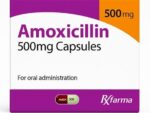
- Guidelines. The ADA 2019 guideline recommends penicillin or amoxicillin as the first-line antibiotic when one is indicated, because they are effective against the usual mouth bacteria and have a good safety record. For people allergic to penicillin, alternatives include azithromycin or clindamycin.
- Comparative studies. Studies comparing antibiotics for dental infections have generally not found that clindamycin works better than penicillin-type drugs. In a number of comparisons it appears no better, and sometimes outcomes are similar or favor penicillin-type drugs.
- Safety. Clindamycin is more strongly associated with C. diff infection than amoxicillin or penicillin. See clindamycin side effects and C. diff risk.
- Resistance. Some oral bacteria, including certain streptococci and anaerobes, have become resistant to clindamycin in various regions. Resistance patterns vary by area.
The history is interesting. In the past, clindamycin was widely used for dental infections because of its anaerobic coverage and its strong penetration into bone. Stewardship efforts in dentistry have since pushed clinicians toward narrower, safer choices where possible.
Verdict: Clindamycin is a legitimate alternative, mostly for penicillin allergy. It is not considered superior for ordinary dental infections.
Claim 3: “I Am Allergic to Penicillin, So Clindamycin Is My Only Option”
What the evidence shows: The first part is often untrue.
Roughly 10 percent of people in the United States report a penicillin allergy, but allergy testing shows that most of them, perhaps 90 percent or more, are not truly allergic. Reactions like a mild childhood rash, stomach upset or a family history are often mislabeled as allergy. Because clindamycin has a higher risk of C. diff than amoxicillin, having an inaccurate penicillin allergy label can push people toward riskier antibiotics.
What to do:
- Describe your reaction in detail. When did it happen? What symptoms? How soon after the dose? Did you need treatment?
- Ask about allergy evaluation. An allergist can perform skin testing or an observed challenge to confirm or remove the label. See amoxicillin allergy for what an allergic reaction looks like.
- If you have had anaphylaxis, hives, swelling or a severe skin reaction, treat the allergy as real until a specialist says otherwise. In that case, clindamycin or another non-penicillin drug is an appropriate alternative.
Other alternatives for penicillin allergy include azithromycin, and sometimes cephalosporins, depending on the type of reaction. Your dentist or doctor chooses based on your history. For a comparison of those options, see azithromycin vs doxycycline.
Verdict: Clindamycin is a reasonable choice for a confirmed or high-risk penicillin allergy, but it is worth double-checking the allergy label.
Claim 4: “Antibiotics Will Stop My Toothache Quickly”
What the evidence shows: Antibiotics are slow pain relievers, and they are not the primary treatment for the pain of a toothache.
Pain from a tooth infection often comes from pressure and inflamed nerves. Antibiotics reduce bacteria over days, but pain relief typically comes from dental treatment (draining the abscess, cleaning out the canal, removing the tooth) and from pain medicines. Cochrane-style reviews of antibiotics for toothache from irreversible pulpitis found that they did not meaningfully reduce pain or the need for painkillers compared with placebo.
What does help pain, per dental guidance:
- Ibuprofen and acetaminophen, taken together or alternated according to the labels and your doctor’s advice, are often more effective than many opioids for dental pain. Check whether you can take them safely (kidney, stomach, blood-thinner and liver considerations).
- Prompt dental treatment.
- Cold compresses on the outside of the cheek.
- Warm salt-water rinses for comfort (not a cure).
Verdict: Do not expect antibiotics alone to fix the pain. Get the tooth treated.
Claim 5: “A Longer Antibiotic Course Is Safer”
What the evidence shows: Shorter courses often work just as well.
Traditional prescriptions of seven to ten days or more were common in the past. The ADA guideline and other reviews suggest short courses, typically a few days to about a week, with reassessment, once the source of infection has been addressed. Longer exposure to antibiotics raises the odds of side effects and resistance without clear added benefit in uncomplicated infections.
Your clinician may also set a plan such as “Take it for three days, then see me”, or “Stop when your symptoms resolve.” Follow your prescriber’s instruction, and ask what the plan is. For specific dosing patterns, see our clindamycin dosage guide.
Verdict: Follow the course your dental professional sets, and do not assume longer is better.
Claim 6: “Clindamycin Prevents Heart Infections Before Dental Work”
What the evidence shows: This advice has changed.
For years, a single dose of clindamycin was recommended before certain dental procedures for people at high risk of infective endocarditis who were allergic to penicillin. The American Heart Association updated its guidance in 2021 and no longer recommends clindamycin for this purpose, because of the risk of C. difficile and severe reactions and because evidence suggests it is no more effective than alternatives. Alternatives include azithromycin, clarithromycin or doxycycline for those who cannot take amoxicillin. Preventive antibiotics are advised only for people with a small group of high-risk heart conditions. If this applies to you, ask your cardiologist or dentist about your current plan.
Verdict: If a prior plan includes clindamycin before dental visits, ask whether it should be updated.
How Clindamycin Compares in Practice
| Factor | Amoxicillin or penicillin | Clindamycin |
|---|---|---|
| Guideline status for dental infection | First-line when antibiotics are indicated | Alternative for penicillin allergy |
| Spectrum | Good against many oral streptococci and some anaerobes (amoxicillin broader) | Good against anaerobes and many streptococci, but with rising resistance in some areas |
| C. diff risk | Lower | Higher; boxed warning |
| Allergy considerations | Not for true penicillin allergy | Fine for penicillin allergy; allergic reactions to clindamycin itself are possible |
| Dosing frequency | Usually 2 to 4 times daily | Usually 3 to 4 times daily |
| Bone penetration | Good | Very good |
| Cost | Generally low | Generally low |
For a deeper comparison, read clindamycin vs amoxicillin: which is better?. If you are considering the first-line option, see amoxicillin for tooth infection.
What Typical Clindamycin Use Looks Like in Dental Care
The following is general information, and your own plan should come from your dentist.
- Who: Adults or children with a dental infection that needs an antibiotic and who cannot take penicillin, or occasionally when the infection is severe or recurrent.
- How much and how often: Labeled adult oral dosing for clindamycin generally ranges from 150 to 450 mg every six hours depending on the severity of infection, and pediatric dosing is by weight. Dental plans vary, so follow your prescriber.
- How long: Often a short course, reassessed after a few days.
- How to take it: With a full glass of water, standing or sitting upright to protect the esophagus.
- What to watch for: Diarrhea, rash, swallowing pain, vaginal yeast infection or thrush.
Understanding the Types of Dental Infection
Not every tooth infection is the same, and the type shapes the treatment.
| Type | What it is | Typical approach |
|---|---|---|
| Periapical abscess | Infection at the tip of the tooth root, usually from a dead or dying nerve | Root canal or extraction, with drainage if needed |
| Periodontal abscess | Infection in the gum pocket beside the tooth, linked to gum disease | Drainage and deep cleaning; antibiotics only if spread or systemic signs |
| Pericoronitis | Inflamed gum flap over a partly erupted tooth, often a wisdom tooth | Irrigation, cleaning, sometimes removal of the tooth or flap |
| Dry socket (alveolar osteitis) | Painful exposed bone after extraction, which is not a true infection | Dental dressing and pain control; antibiotics generally not helpful |
| Spreading cellulitis | Infection moves into the soft tissue of the face or neck | Urgent care, often IV antibiotics and drainage |
A common mistake is to treat “dry socket” or sensitive teeth as an infection and ask for an antibiotic. Dry socket in particular is a pain problem that a dentist treats in the chair, and antibiotics do not fix it.
What an Appointment Usually Looks Like
Knowing what to expect can make a stressful situation easier.
- History and exam. Your dentist asks about pain, swelling, fever and medical history, then examines the tooth, gums and face.
- X-rays. These show the tooth root, bone changes and the extent of infection.
- Diagnosis. The dentist identifies which tooth is the source and what type of infection it is.
- Treatment of the source. This could be drainage of the abscess, a root canal or extraction. Local anesthetic is used, though it can work less well in inflamed tissue.
- Decision about antibiotics. If you have spreading swelling, fever or other risk factors, an antibiotic is added, and your allergy history guides the choice.
- Aftercare. You receive instructions about pain control, rinses, diet and warning signs.
- Follow-up. A check within a few days confirms that the infection is resolving.
Bring a list of your medicines and a clear account of any drug allergies, including what happened during the reaction. That one piece of information can change which antibiotic you receive.
What to Do While You Wait for Dental Treatment
- Call your dentist right away. Describe swelling, fever and pain. Ask for an urgent appointment.
- Take pain medicine as directed and as is safe for you.
- Rinse gently with warm salt water (about half a teaspoon of salt in a cup of warm water).
- Apply a cold pack to the outside of the cheek in short sessions.
- Keep your head elevated when resting.
- Avoid very hot, cold, hard or sticky foods and chew on the other side.
- Do not place aspirin on the gum. It can burn the tissue.
- Do not try to pop or drain the abscess yourself.
- Stay hydrated and keep brushing gently.
- Finish any antibiotics as directed, and keep your follow-up appointment.
Why Antibiotic Stewardship Matters in Dentistry
Dentists write a meaningful share of outpatient antibiotic prescriptions, and studies of dental prescribing have found that a notable portion may not be necessary. Each unneeded course exposes the patient to side effects such as diarrhea and allergic reactions, and adds to the pool of resistant bacteria in the community. That is why professional bodies now encourage clinicians to treat the source first, prescribe only when indicated, pick the narrowest effective drug and keep courses short.
As a patient, you can support good stewardship by asking calm, practical questions: “Is an antibiotic necessary for my situation, or will the dental treatment be enough?” “If I need one, is there an option other than clindamycin?” “How long should I take it?” Most dentists welcome these questions, and the answers help you feel confident that your treatment is appropriate.
Red Flags: When a Tooth Infection Is an Emergency
Go to an emergency department or call emergency services if you have:
- Swelling of the face, jaw or neck that is spreading quickly
- Difficulty swallowing or breathing
- Trouble opening your mouth wide
- Swelling under the tongue or floor of the mouth
- Swelling near the eye, or vision changes
- High fever, chills, rapid heartbeat or confusion
- Severe headache, stiff neck or drowsiness
- Inability to keep fluids down
Infections that spread into deep spaces of the neck (such as Ludwig’s angina), the orbit around the eye or the bloodstream can become dangerous within hours. Antibiotics do not replace emergency care in these cases.
Who Should Be Extra Careful With Clindamycin
Tell your dentist or doctor if you have:
- A history of C. difficile or colitis, or inflammatory bowel disease
- Liver or kidney disease
- Previous reaction to clindamycin or lincomycin
- Pregnancy or breastfeeding
- A neuromuscular condition such as myasthenia gravis
- Other medicines such as erythromycin or neuromuscular blockers
- A history of severe drug reactions
Alcohol, Pain Medicines and Other Practical Questions
- Alcohol: There is no classic dangerous reaction with clindamycin, but alcohol can irritate the stomach, interfere with healing and worsen dehydration. Pain from a dental infection also makes alcohol a poor idea. See clindamycin and alcohol.
- Birth control: Clindamycin is not known to reduce the effectiveness of hormonal birth control, but vomiting or severe diarrhea can. Ask your pharmacist.
- Anticoagulants: If you take warfarin, tell the dentist, as antibiotic changes can affect INR in some cases.
- Opioids: These are not routinely necessary, and combined non-opioid pain medicines often work well.
Preventing Future Tooth Infections
- Brush twice daily with fluoride toothpaste and clean between teeth daily.
- See a dentist regularly, and fix cavities early.
- Avoid frequent sugary snacks and drinks.
- Treat cracked or broken teeth promptly.
- Do not ignore a toothache that goes away. Pain that disappears can mean the nerve has died, while the infection remains.
- Use a mouthguard for sports and ask about night guards for grinding.
- Manage conditions such as diabetes, which raise infection risk.
- Stop smoking or tobacco use.
Frequently Asked Questions
Is clindamycin good for a tooth infection?
It can be, particularly for people allergic to penicillin. However, amoxicillin or penicillin is usually first-line, and the infection itself needs dental treatment.
Which is better for a tooth infection, amoxicillin or clindamycin?
Amoxicillin or penicillin is generally preferred when it is safe for you, because it is effective and has a lower risk of C. diff. Clindamycin is an alternative.
How long does clindamycin take to work for a tooth infection?
Many people notice improvement within two to three days, but the underlying infection still needs dental treatment. If symptoms are not improving after 48 to 72 hours, call your dentist.
Can a tooth infection go away without antibiotics?
Some mild, localized infections improve with dental treatment alone, but the source must be treated. An untreated tooth infection can spread, so see a dentist.
Can I take clindamycin 300 mg for a tooth infection?
300 mg is a common capsule strength, but the right dose depends on your infection, your age, your weight and your health. Use the dose your prescriber gives you.
Will clindamycin cause diarrhea?
It can. Report watery diarrhea early, since clindamycin is linked to C. diff. See our side-effects guide.
Do I still need a root canal if I take antibiotics?
Usually yes. Antibiotics do not repair the tooth or remove infected tissue.
Is it safe to drink alcohol while taking clindamycin for a tooth infection?
The label does not prohibit it, but it is generally better to avoid alcohol while you are ill and healing.
The Bottom Line
The evidence is clear on three points about clindamycin and tooth infections. First, the infection needs dental treatment, and antibiotics alone rarely solve it. Second, penicillin-type antibiotics are the preferred option when an antibiotic is needed. Third, clindamycin is a sound alternative for true penicillin allergy but carries a notable C. diff risk, so it should be used thoughtfully.
If you have swelling that is spreading, trouble swallowing or breathing, or fever, do not wait. Seek urgent care. For more antibiotic guides, visit our health tips library or contact us.
Sources and Further Reading
- American Dental Association
- American Association of Endodontists: Patient resources
- MedlinePlus: Clindamycin
- CDC: C. difficile
- American Heart Association
Medical disclaimer: This article is for general education and does not replace advice from a dentist, doctor, pharmacist or other qualified health professional. A tooth infection with facial swelling, fever or trouble breathing or swallowing is an emergency.