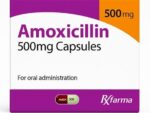
Amoxicillin uses center on common bacterial infections: ear infections, strep throat, bacterial sinus infections, some types of pneumonia, certain urinary tract and skin infections, and stomach ulcers caused by Helicobacter pylori (as part of a combination). Doctors also prescribe it for early Lyme disease, as a one-time dose before dental work for people with certain heart conditions, and for a few less common situations, such as after exposure to anthrax.
What amoxicillin does not treat matters just as much. It has no effect on viruses, so it won’t help a cold, the flu, COVID-19, or most coughs and sore throats. It also misses some bacteria entirely. Below is a body-system guide to what amoxicillin is used for, where it is the first choice, where it is only a backup, and where something else works better.
On this page
- How amoxicillin works
- Ears, nose, throat, sinuses, and teeth
- Lungs and airways
- Urinary tract
- Skin and bites
- Stomach: H. pylori
- Heart: endocarditis prevention before dental work
- Tick-borne: early Lyme disease
- Other uses
- Master table: every use at a glance
- What amoxicillin does NOT treat
- Forms and strengths
- FAQ
How amoxicillin works (and why that shapes its uses)
Amoxicillin is an aminopenicillin, a member of the penicillin family with a slightly wider reach than plain penicillin. Like other beta-lactam antibiotics, it attaches to proteins that bacteria use to build their cell walls. With those proteins blocked, the growing bacterium can’t finish its wall, and it bursts. That makes amoxicillin bactericidal: it kills bacteria rather than just slowing them down.
According to the NCBI StatPearls review of amoxicillin, the drug works well against streptococci (including Streptococcus pneumoniae and group A strep), Enterococcus, and Listeria. It also reaches some gram-negative bacteria, such as Haemophilus influenzae, some strains of E. coli, and Salmonella.
Its weak spot is an enzyme called beta-lactamase. Many bacteria make this enzyme, which breaks apart the core ring of amoxicillin before it can act. That’s why the FDA label limits amoxicillin to infections caused by “beta-lactamase-negative” strains. Common beta-lactamase producers include many staph strains, some H. influenzae, Moraxella catarrhalis, and a large share of E. coli.
To get around this, drugmakers pair amoxicillin with clavulanate, a beta-lactamase blocker. The combination is sold as Augmentin. If you’re wondering when doctors reach for one over the other, our guide to amoxicillin vs Augmentin covers it in detail.
Quick way to think about it: Amoxicillin is a narrow, well-tolerated workhorse. It’s chosen when the likely germ is one it reliably kills, especially strep and pneumococcus. When resistant or unusual bacteria are likely, doctors switch to a different drug.
Ears, nose, throat, sinuses, and teeth
If you’re asking what amoxicillin is used for most often, the answer lives here. This is the region where amoxicillin does most of its work. The bacteria that cause most ear, throat, and sinus infections are exactly the ones it handles best.
Middle ear infections (acute otitis media)
Role: first-line. For children who need an antibiotic for a middle ear infection, amoxicillin is the top choice, according to the CDC’s pediatric outpatient prescribing summary. The American Academy of Pediatrics guideline calls for a high-dose amoxicillin regimen so that enough drug reaches the middle ear to overcome partly resistant pneumococcus.
Not every ear infection needs antibiotics right away. For milder cases in children who are old enough, doctors may suggest watching for 48 to 72 hours first, with a clear plan to start medicine if things don’t improve. If a child took amoxicillin within the past 30 days, or also has pus-filled pink eye, doctors usually switch to amoxicillin-clavulanate instead.
We go deeper on doses, timing, and when to wait in our guide to amoxicillin for ear infections in kids. For comfort while the medicine works, see these home measures for ear pain.
Strep throat (group A strep pharyngitis)
Role: first-line. Amoxicillin or penicillin is the standard treatment for strep throat in both children and adults, usually for 10 days, per CDC guidance. Group A strep remains reliably sensitive to penicillin-type drugs, so amoxicillin stays dependable here.
The catch is that most sore throats are not strep. The CDC notes that group A strep causes only about 5% to 10% of sore throats in adults. That’s why a rapid strep test or throat culture should come first. If the test is negative, an antibiotic won’t help. Our post on treating strep throat with amoxicillin explains testing, how long you’re contagious, and what to expect day by day.
Bacterial sinus infections (acute sinusitis)
Role: first-line, when antibiotics are needed at all. The large majority of sinus infections are viral. The CDC’s adult outpatient summary estimates that 90% to 98% of adult sinusitis cases are viral and won’t respond to antibiotics.
A bacterial cause becomes more likely if symptoms are severe, last more than 10 days without getting better, or improve and then get worse again. In those cases, amoxicillin or amoxicillin-clavulanate is the first choice for adults and children. Azithromycin is a poor pick for sinusitis because roughly 40% of S. pneumoniae strains resist macrolides, according to the CDC. Our comparison of amoxicillin vs azithromycin explains where each one fits.
Tooth infections and dental abscesses
Role: first-line when an antibiotic is truly needed. The 2019 American Dental Association guideline lists amoxicillin (or penicillin V potassium) as the first-choice antibiotic for tooth infections. But the guideline also says most toothaches and dental swelling don’t need antibiotics at all. What fixes them is dental treatment, such as draining the abscess, a root canal, or pulling the tooth.
Antibiotics come in when the infection is spreading or causing body-wide signs such as fever, swelling that is getting worse, or feeling generally unwell. For the full picture, read how amoxicillin is used for tooth infections.
Lungs and airways
Community-acquired pneumonia
Role: first-line for healthy adults treated at home. The 2019 American Thoracic Society and Infectious Diseases Society of America (ATS/IDSA) pneumonia guideline makes high-dose amoxicillin a strong recommendation for adults with pneumonia who have no major health problems and are well enough to recover at home. The reason is simple: S. pneumoniae remains the leading bacterial cause, and amoxicillin kills it well.
Doxycycline is the main alternative. A macrolide like azithromycin is an option only where local pneumococcal resistance to macrolides is low. People with chronic heart, lung, liver, or kidney disease, diabetes, or other risk factors usually get broader treatment, often amoxicillin-clavulanate plus a second drug that covers “atypical” bacteria.
Other lower respiratory tract infections
Role: label-approved, chosen case by case. The FDA label covers lower respiratory tract infections caused by susceptible strep, pneumococcus, staph, and H. influenzae. In real practice, the decision depends on the likely germ and the patient’s risk factors.
Acute bronchitis (chest cold)
Role: not recommended. The CDC advises against routine antibiotics for uncomplicated acute bronchitis, no matter how long the cough has lasted. Viruses cause nearly all of these infections. Green or yellow mucus does not mean you have a bacterial infection, which surprises a lot of people.
Urinary tract
Simple bladder infections (uncomplicated cystitis)
Role: limited. The FDA label lists genitourinary infections caused by susceptible E. coli, Proteus mirabilis, and Enterococcus faecalis. Even so, the IDSA guideline for uncomplicated bladder infections in women says amoxicillin and ampicillin should not be used as a first guess, because they work poorly and resistance among urinary E. coli is very high.
In plain terms: if you have typical UTI symptoms, your prescriber will most likely choose a different antibiotic first.
UTIs where a urine culture points to amoxicillin
Role: targeted option. Amoxicillin becomes a good choice when a urine culture shows a germ that is sensitive to it. Enterococcus faecalis is the classic example, since amoxicillin is active against enterococci while several common UTI drugs are not. Culture results also guide treatment in situations where drug choices are narrower, such as pregnancy.
Skin and bites
Cellulitis and skin infections
Role: limited. Skin and skin structure infections appear on the amoxicillin label, but only for susceptible strep, staph, and E. coli. Because most staph strains make beta-lactamase, amoxicillin alone isn’t a dependable choice for typical skin infections.
Many hospital treatment guides favor cephalexin for simple cellulitis that can be treated at home. For pus-filled boils or abscesses where MRSA is a concern, drainage plus a different drug class is usually recommended. Amoxicillin may still be used when a culture confirms a sensitive streptococcus.
Animal and human bites
Role: amoxicillin-clavulanate, not plain amoxicillin. Bite wounds carry a mix of mouth bacteria, some of which make beta-lactamase. Amoxicillin-clavulanate is the usual first-line oral choice for preventing or treating bite infections in adults and children. Plain amoxicillin doesn’t cover enough of these germs.
Stomach: H. pylori combination therapy
Helicobacter pylori is a bacterium that lives in the stomach lining. It can cause stomach and duodenal ulcers and raises the long-term risk of stomach cancer. Amoxicillin is a key part of several treatment combinations, but it is never used alone for this infection.
What the FDA label approves
The FDA-approved amoxicillin label on DailyMed covers two combinations for people with H. pylori and duodenal ulcer disease:
- Triple therapy: amoxicillin, clarithromycin, and lansoprazole (an acid reducer), taken together for 14 days.
- Dual therapy: amoxicillin and lansoprazole, for people who can’t take clarithromycin or whose infection likely resists it.
What current guidelines prefer
Role: core ingredient in several first-line options. The 2024 American College of Gastroenterology (ACG) guideline shifted away from the old clarithromycin triple therapy. Clarithromycin resistance has become so common in the U.S. that the guideline now advises against using it unless testing shows the strain is susceptible.
For people who haven’t been treated before, the ACG guideline’s preferred option is bismuth quadruple therapy, which contains no amoxicillin. It also lists two amoxicillin-based options for treatment-naive patients, each taken for 14 days:
- Vonoprazan-amoxicillin dual therapy, which pairs amoxicillin with a newer, stronger acid blocker.
- Rifabutin triple therapy, which combines rifabutin, amoxicillin, and omeprazole.
A true penicillin allergy rules out the amoxicillin-based combinations. The ACG suggests allergy testing for people with an unconfirmed penicillin allergy label, because many of them can take amoxicillin safely. Our guide to amoxicillin allergy explains how that testing works.
Heart: endocarditis prevention before dental work
Infective endocarditis is an infection of the heart’s inner lining or valves. Mouth bacteria called viridans group streptococci can enter the bloodstream during some dental procedures. In most people, this causes no harm. In a small group with certain heart conditions, it can lead to a serious infection.
Who needs a dose before dental work
Role: first-line oral choice. The American Heart Association’s 2021 scientific statement kept its earlier advice in place: preventive antibiotics are only for people at the highest risk. As summarized by the American Dental Association’s antibiotic prophylaxis page, that group includes people who have:
- A prosthetic (artificial) heart valve, including valves placed by catheter
- Prosthetic material used to repair a heart valve, such as annuloplasty rings
- A past episode of infective endocarditis
- A heart transplant with a leaky, structurally abnormal valve
- Unrepaired cyanotic congenital heart disease, including palliative shunts and conduits
- A repaired congenital heart defect with a leftover shunt or leak at or near a patch or device
It applies only to dental procedures that involve working on the gums, the area around the tooth root, or that break through the lining of the mouth. Routine cleanings for people outside these groups don’t call for it.
How the single dose works
In the AHA regimen, the oral amoxicillin dose is a single 2-gram dose for adults or 50 mg/kg for children, taken 30 to 60 minutes before the procedure. For people with a penicillin allergy, the 2021 statement lists cephalexin, azithromycin, clarithromycin, or doxycycline. It dropped clindamycin because of its higher rate of serious side effects.
One related point: having a joint replacement does not, by itself, mean you need antibiotics before dental work. ADA guidance says premedication is generally not recommended for prosthetic joints, with rare exceptions decided together with your orthopedic surgeon.
Tick-borne: early Lyme disease
Erythema migrans (the bull’s-eye rash)
Role: first-line option. Lyme disease is caused by Borrelia burgdorferi, spread by blacklegged ticks. The CDC’s treatment page for erythema migrans lists three first-line oral options for this early-stage rash: doxycycline, amoxicillin, or cefuroxime.
For amoxicillin, the CDC regimen runs 14 days, compared with 10 to 14 days for doxycycline. Children’s doses are based on weight. Amoxicillin is a practical choice for people who can’t take doxycycline. Azithromycin is a weaker backup for people who can’t take any of the three, and needs closer follow-up.
Later stages of Lyme disease
The CDC notes that most Lyme cases are treated with 10 days to 4 weeks of antibiotics, with the drug and length depending on symptoms, age, allergies, and pregnancy. Later forms that affect the joints, nerves, or heart may need a different drug, a longer course, or IV treatment. A doctor experienced with Lyme disease should guide those decisions.
Other amoxicillin uses
Anthrax after exposure
Role: second-line, in specific situations. MedlinePlus’s amoxicillin entry notes the drug is sometimes used to prevent anthrax after exposure and to treat skin anthrax. StatPearls describes it as a CDC-recommended second-line agent for post-exposure prevention. In practice, it is generally reserved for strains shown to be sensitive to penicillin. Public health officials direct this use; it is not something people manage on their own.
Gum disease and actinomycosis
Role: specialist use. StatPearls lists some amoxicillin uses that fall outside the FDA label. Dentists sometimes pair amoxicillin with metronidazole for certain forms of periodontitis (advanced gum disease). It is also used for actinomycosis, a slow-growing infection caused by Actinomyces bacteria, often in the jaw area.
Infections from Listeria or Enterococcus
Role: targeted. Amoxicillin and its close cousin ampicillin are active against Listeria monocytogenes and many Enterococcus strains. Serious infections from these bacteria are usually treated in the hospital with IV medicines, but oral amoxicillin can play a role in milder, culture-confirmed cases or as a step-down once someone is improving.
Gonorrhea (no longer used)
Role: obsolete. Older amoxicillin labels listed uncomplicated gonorrhea, but resistance became so common that amoxicillin is not recommended for it. Current sexually transmitted infection guidelines rely on other drugs.
Master table: what amoxicillin is used for, by infection
Here are all the amoxicillin uses covered above in one place. “Role” reflects current U.S. guidelines and the FDA label. Your own prescriber may choose differently based on your history, allergies, local resistance, and test results.
| Infection | Typical bacteria | Amoxicillin’s role | Common alternative |
|---|---|---|---|
| Middle ear infection (kids) | S. pneumoniae, H. influenzae, M. catarrhalis | First-line (high dose) | Amoxicillin-clavulanate; cefdinir if allergic |
| Strep throat | Group A Streptococcus | First-line (with penicillin) | Cephalexin; azithromycin or clindamycin if allergic |
| Bacterial sinusitis | S. pneumoniae, H. influenzae | First-line | Amoxicillin-clavulanate; doxycycline if allergic |
| Tooth infection (with spreading signs) | Mixed mouth bacteria | First-line, alongside dental treatment | Penicillin V potassium |
| Pneumonia (healthy adult, at home) | S. pneumoniae | First-line (high dose) | Doxycycline |
| Acute bronchitis | Usually viruses | Not recommended | Symptom relief |
| Simple bladder infection | E. coli (often resistant) | Not a first choice | Other UTI antibiotics |
| Culture-confirmed UTI | Enterococcus faecalis, susceptible E. coli | Targeted option | Depends on culture |
| Cellulitis | Strep, S. aureus | Limited | Cephalexin |
| Animal or human bite | Mixed, incl. beta-lactamase producers | Use amoxicillin-clavulanate instead | Clindamycin plus a fluoroquinolone if allergic |
| H. pylori ulcers | Helicobacter pylori | Part of combination therapy | Bismuth quadruple therapy |
| Endocarditis prevention (high-risk heart) | Viridans group streptococci | First-line single dose | Cephalexin, azithromycin, doxycycline |
| Early Lyme disease | Borrelia burgdorferi | First-line option | Doxycycline, cefuroxime |
| Anthrax post-exposure | Bacillus anthracis | Second-line, specific groups | Ciprofloxacin, doxycycline |
What amoxicillin does NOT treat
Asking “what does amoxicillin treat?” is only half the question. Knowing what it isn’t used for is part of using it well. The CDC’s antibiotic do’s and don’ts page makes the point plainly: antibiotics do not make you feel better if a virus is causing your illness. They also bring side effects and add to antibiotic resistance every time they’re used.
Viral infections
- Common cold and runny nose. Hundreds of different viruses cause colds. None respond to antibiotics.
- Flu. Influenza is a virus. Antiviral medicines exist for it, but amoxicillin is not one of them.
- COVID-19. Also a virus. Antibiotics only come into play if a separate bacterial infection develops, which a doctor needs to diagnose.
- Most sore throats. Unless a test confirms strep, a sore throat is most likely viral.
- Most bronchitis and chest colds. Even a cough that lingers for weeks is usually viral.
- Bronchiolitis in babies. The CDC says antibiotics don’t help and shouldn’t be used.
- Most sinus infections. As noted above, the vast majority are viral.
Bacteria amoxicillin can’t reach
- MRSA. Methicillin-resistant Staphylococcus aureus resists penicillin-type drugs, including amoxicillin and amoxicillin-clavulanate.
- Most other staph. Many ordinary staph strains make beta-lactamase, which destroys amoxicillin.
- “Atypical” bacteria. Mycoplasma pneumoniae (a cause of “walking pneumonia”) has no cell wall, so amoxicillin has nothing to attack. Chlamydophila and Legionella live inside human cells where amoxicillin works poorly. Doctors use macrolides, doxycycline, or fluoroquinolones for these.
- Many urinary E. coli strains. Resistance is high enough that amoxicillin isn’t used as a first guess for UTIs.
- Pseudomonas and many hospital germs. These are outside amoxicillin’s range.
Things that aren’t infections at all
Amoxicillin won’t help allergies, fungal infections such as yeast infections or athlete’s foot, or parasites like worms. It can actually trigger a yeast infection by upsetting the body’s normal bacteria. You can read about that and other reactions in our overview of amoxicillin side effects.
Why stewardship matters to you
The amoxicillin label itself says the drug should be used only for infections proven or strongly suspected to be bacterial. This isn’t just a public health slogan. Each unneeded course exposes you to side effects such as diarrhea, rash, and C. difficile infection, and it gives your own bacteria a chance to become resistant. The CDC reports that, in children, antibiotic side effects are the most common cause of medicine-related emergency visits.
A few habits help keep amoxicillin working when you need it:
- Ask your clinician whether your illness is likely bacterial or viral, and whether a test can tell.
- Be open to “watchful waiting” when your doctor suggests it for a mild ear or sinus infection.
- Take amoxicillin exactly as prescribed, and don’t save leftovers “for next time.”
- Never share your antibiotic or take someone else’s.
- If you’ve been told you’re allergic to penicillin, ask whether testing could clear the label.
Amoxicillin forms and strengths
Amoxicillin comes in several forms so it can work for babies, kids, and adults alike. Exact strengths vary by manufacturer, but DailyMed labels list these common options:
- Capsules: 250 mg and 500 mg.
- Film-coated tablets: 500 mg and 875 mg.
- Chewable tablets: such as 125 mg, 200 mg, 250 mg, and 400 mg. Many contain aspartame, a source of phenylalanine, which matters for people with phenylketonuria (PKU).
- Oral suspension (liquid): powder that the pharmacy mixes with water, in strengths such as 125, 200, 250, and 400 mg per 5 mL.
Doses depend on the infection, age, weight, and kidney function, and children’s doses are worked out by weight. Your prescription label is the instruction that counts. For the numbers prescribers typically use for each infection, see our amoxicillin dosage guide for adults and children, and check with your pharmacist if anything on your label is unclear.
Amoxicillin uses: frequently asked questions
Is amoxicillin a strong antibiotic?
“Strong” isn’t really the right measure. Amoxicillin is very effective against the bacteria it covers, and it kills them rather than just slowing them down. Its range is fairly narrow, though, which is actually a strength: it treats common infections without disturbing as many of your body’s other bacteria as broader drugs do. A “stronger” antibiotic isn’t better if amoxicillin already covers the germ.
Can amoxicillin treat a UTI?
Sometimes, but it’s rarely the first choice. The FDA label includes urinary infections from susceptible bacteria, but many urinary E. coli strains now resist amoxicillin. Doctors usually start with a different antibiotic for a typical bladder infection and use amoxicillin when a urine culture shows a sensitive germ, such as Enterococcus faecalis.
Does amoxicillin treat a tooth infection?
Yes, when an antibiotic is needed. The ADA lists amoxicillin as a first-line choice for dental infections that are spreading or causing fever or swelling. Still, the main fix for a tooth infection is dental treatment. An antibiotic alone may calm symptoms for a while without removing the source.
How quickly does amoxicillin start working?
It starts acting with the first doses, and many people notice they feel better within 2 to 3 days. Doctors often check back around 48 to 72 hours for conditions like ear infections. If you’re not improving by then, or you’re getting worse, contact your prescriber. Keep taking the full course unless your clinician tells you otherwise.
Can I take leftover amoxicillin for a new infection?
No. A leftover supply is rarely the right dose or length for a new illness, the new illness may be viral, and the cause may be a germ amoxicillin doesn’t reach. Taking it without a diagnosis can also hide symptoms and make a later diagnosis harder. If you think you need an antibiotic, talk to a clinician, and ask your pharmacist how to dispose of leftover pills safely.
Medical disclaimer: This article is for general education and does not replace advice from your doctor, dentist, or pharmacist. Antibiotic choice depends on your diagnosis, test results, allergies, other medicines, and health history. Always follow your own prescription, and seek medical care promptly if your symptoms are severe or getting worse.