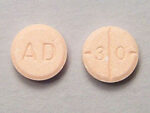
Most amoxicillin side effects are mild and short-lived: an unsettled stomach, looser stools, maybe a faint headache. A small number need a phone call the same day, and a few are true emergencies. The hard part is telling them apart when you feel unwell anyway. This guide sorts the reactions into three tiers, shows when each one tends to appear during a course, and explains what to do about it.
Everything here is based on the U.S. prescribing information for amoxicillin, plus patient guidance from MedlinePlus, the CDC, and the NHS. Use it to decide how fast to act, not to replace the advice of the person who prescribed your medicine.
Amoxicillin side effects at a glance: green, amber, red
Think of this table as a traffic light for amoxicillin side effects. Green means you can usually manage at home and keep taking your doses. Amber means contact your doctor or pharmacist today. Red means call 911 or go to the emergency room now.
| GREEN: manage at home | AMBER: call your doctor or pharmacist today | RED: call 911 or go to the ER |
|---|---|---|
| Mild nausea or an upset stomach | Diarrhea that lasts more than a day or two, or keeps getting worse | Trouble breathing, wheezing, throat tightness, or trouble swallowing |
| A few loose or softer stools | Vaginal itching, soreness, or thick discharge (possible yeast infection) | Swelling of the face, lips, tongue, or eyes; fainting or sudden dizziness |
| Mild headache | White patches in the mouth or on the tongue (oral thrush) | Blistering, peeling, or painful skin; sores in the mouth, eyes, or genitals |
| A metallic or “off” taste | A flat or blotchy rash without hives or breathing trouble | Rash with fever, swollen glands, or facial swelling; widespread pus-filled bumps |
| Feeling a bit tired while your body fights the infection | Hives or itchy welts with no swelling or breathing symptoms (call right away and ask before the next dose) | Severe watery or bloody diarrhea, especially with fever or belly cramps |
| Brief, mild stomach cramping | Dark urine, unusual bruising, or joint pain that starts a few days in | Yellow skin or eyes with pale stools and dark urine |
| Surface tooth staining in a child (brushes off) | Black, “furry” coating on the tongue | A seizure, or a child who is limp or hard to wake |
| Vomiting that keeps you from keeping doses down | Repeated vomiting 1 to 4 hours after a dose with paleness or unusual drowsiness | |
| Passing very little urine or none at all |
One rule beats all the others when you’re judging amoxicillin side effects: if you’re unsure which column a symptom belongs in, treat it as the more serious one. A pharmacist can often triage a reaction over the phone in a few minutes, and calling costs you nothing.
If you take a hormonal birth control pill, patch, or ring, know that the label notes amoxicillin may lower its effectiveness, and MedlinePlus suggests using a backup method during treatment. Ask your prescriber how long to keep the backup going.
Side effects across your course: a day-by-day timeline
Amoxicillin side effects don’t all show up at the same moment. Knowing the usual timing helps you connect a new symptom to the medicine, or rule it out. The phases below are typical patterns, not fixed rules.
First doses (minutes to day 1)
The fastest and most dangerous reaction is anaphylaxis, a severe allergic response that usually starts within minutes to an hour of a dose. The FDA label warns that it can be fatal and is more likely in people with a past penicillin reaction or many allergies. Hives, throat tightness, wheezing, or swelling at this stage is a red-tier event. If you have any history of reacting to penicillin, read our guide to spotting a true amoxicillin allergy before your first dose.
A newer warning on the label covers drug-induced enterocolitis syndrome (DIES). It is not a hive-type allergy. Instead, it causes repeated, forceful vomiting about 1 to 4 hours after a dose, often with paleness or floppiness, and it mostly affects people 18 and younger. It needs urgent care.
Among the milder amoxicillin side effects, nausea is common early on, especially if you take a dose on an empty stomach.
Mid-course (roughly days 2 to 10)
This is when gut changes usually show up. Loose stools, gas, and cramping often begin a couple of days in, as the antibiotic thins out normal gut bacteria. Taste changes and headache can appear here too.
Rashes are another mid-course event. The NHS notes that delayed allergic reactions can appear around 7 to 12 days after starting, usually as a mild rash and sometimes with fever, joint pain, or swollen glands. Yeast infections, both vaginal and oral, also tend to surface later in a course, once the normal bacterial balance has shifted for several days.
After the last dose (up to 2 months or more)
Most minor amoxicillin side effects fade within a few days of finishing. The big exception is Clostridioides difficile (C. diff), a gut infection that can take hold after antibiotics clear out protective bacteria. The FDA label says C. diff diarrhea has been reported more than 2 months after antibiotic treatment. The CDC adds that risk is highest during the month after you finish.
So if you develop watery or bloody diarrhea several weeks after a course, tell your clinician you recently took amoxicillin. That one sentence can change which tests they order.
A delayed rash can also appear right around the time you finish, or just after. Don’t assume that because the bottle is empty the rash can’t be related.
Diarrhea and stomach upset
The label lists diarrhea, nausea, vomiting, and rash as the most common reactions seen in clinical trials (each in more than 1% of people). The NHS puts nausea and diarrhea among the side effects that affect up to 1 in 10 people.
Why it happens
Stomach-related amoxicillin side effects come down to bacteria. Amoxicillin can’t tell harmful bacteria from the helpful ones in your gut. As some of those helpful bacteria die back, digestion changes and stools loosen. For most people this is a nuisance, not a danger, and it settles once the course ends.
What helps
- Take it with food if your prescription allows. Amoxicillin can be taken with or without meals, and a snack often eases nausea.
- Keep fluids up. Sip water, broth, or an oral rehydration drink through the day.
- Eat simply. Plain, bland meals are easier than rich, greasy, or spicy food while your gut adjusts.
- Ask before using anti-diarrhea medicine. The NHS advises checking with a pharmacist first. Slowing the gut is not always a good idea when an infection is possible.
- Go easy on alcohol. It doesn’t block amoxicillin, but it can worsen nausea and dehydration. See our page on drinking while on amoxicillin for details.
What about probiotics? The evidence is encouraging but not settled. A 2019 Cochrane review of 33 trials in about 6,350 children found that antibiotic-related diarrhea occurred in 8% of children given probiotics, compared with 19% of those who weren’t. The benefit was clearest at higher doses (at least 5 billion colony-forming units a day), and the reviewers judged Lactobacillus rhamnosus or Saccharomyces boulardii at 5 to 40 billion CFU daily as the most suitable options. They rated the certainty as moderate and called for larger trials. They also noted that serious problems have been reported in severely ill or immunocompromised children, so ask your doctor first if anyone in your home has a weakened immune system.
When to call
Call your doctor or pharmacist today if diarrhea lasts beyond a day or two, keeps getting worse, or you can’t keep doses down because of vomiting. Watch for dehydration too: peeing less than usual or passing dark, strong-smelling urine.
Seek urgent care for severe watery diarrhea several times a day, diarrhea with blood or mucus, or diarrhea with fever and belly pain. Those are the warning signs of C. diff. The CDC says people are up to 10 times more likely to get it while on an antibiotic, and older adults, people with weakened immune systems, and those who have had C. diff before carry extra risk.
Yeast infections: vaginal and oral thrush
Why it happens
Yeast overgrowth is one of the amoxicillin side effects that builds slowly. Your body normally hosts small amounts of Candida yeast, kept in check by bacteria. When amoxicillin reduces those bacteria, yeast can overgrow. The label lists mucocutaneous candidiasis (yeast infections of the skin and moist linings) among the reactions reported after approval.
What it looks like
- Vaginal yeast infection: itching, soreness, burning when you pee, pain during sex, and thick white discharge.
- Oral thrush: creamy white patches on the tongue, gums, or inner cheeks that may bleed slightly when wiped, plus soreness or a cottony feeling. In babies, it can make feeding fussy.
- Diaper area: a bright red rash with small red spots at the edges in an infant on antibiotics can also be yeast.
What helps and when to call
Yeast infections are amber-tier: not dangerous, but worth a call so you get the right treatment. Vaginal symptoms overlap with other infections, such as bacterial vaginosis, so it’s better to check with a provider than to guess. Common treatments are an antifungal cream or suppository or a single oral antifungal tablet. Oral thrush usually needs a prescription antifungal liquid or gel.
Keep taking amoxicillin unless your prescriber says otherwise. Stopping early won’t clear the yeast and may leave your original infection undertreated. If you get yeast infections every time you take an antibiotic, mention it before the next prescription so your clinician can plan ahead.
Rashes: allergic, delayed, and the mono rash
Rash is one of the most common amoxicillin side effects people worry about, and it’s also the trickiest. Some rashes are harmless, some are a true allergy, and a few are emergencies. Here is how to sort them.
Why rashes happen
- Hives (urticaria): raised, itchy welts that come and go, often within hours of a dose. These point toward an immediate-type allergy and need prompt advice.
- Flat, blotchy rash: pink or red spots, sometimes slightly raised, that often start on the trunk several days into treatment. Many of these are mild delayed reactions, and some are caused by the infection itself rather than the drug.
- Severe skin reactions: the label warns of Stevens-Johnson syndrome (SJS), toxic epidermal necrolysis (TEN), drug reaction with eosinophilia and systemic symptoms (DRESS), and acute generalized exanthematous pustulosis (AGEP). These are rare but can be life-threatening.
The classic amoxicillin rash in mononucleosis
Infectious mononucleosis (mono), usually caused by the Epstein-Barr virus (EBV), causes a sore throat that can look a lot like strep. If someone with mono is given amoxicillin, a widespread, red, blotchy rash often follows. The FDA label says a high percentage of people with mono who take amoxicillin develop this rash and advises against giving it to them.
Older reports put the rate as high as 95%. A 2025 review in the Cleveland Clinic Journal of Medicine notes that newer studies suggest something closer to 15% to 33%. The likely cause is a temporary, virus-driven shift in the immune system, not a lasting penicillin allergy. The same review cautions against labeling someone allergic based only on a mono rash, and suggests talking with a clinician about allergy testing later.
This matters because a wrong “penicillin allergy” label follows you for life and can push doctors toward broader, costlier antibiotics. If your teen had strep-like symptoms, got a rash on amoxicillin, and later tested positive for mono, ask whether the allergy label is accurate. Our article on treating strep throat with amoxicillin explains how doctors confirm strep before prescribing.
What helps
For a mild, itchy rash with no other symptoms, the NHS suggests an antihistamine from the pharmacy may ease the itch. Take a photo of the rash each day so you can show your clinician how it changed. Cool showers and loose cotton clothing can help with comfort.
When to call
- Amber: any new rash while taking amoxicillin. Call the same day. MedlinePlus advises stopping and calling your doctor for rash, itching, or hives, so check before taking your next dose.
- Red: rash with swelling of the face or throat, or breathing trouble; blisters, peeling, or skin that looks burned; sores in the mouth, eyes, or genitals; a rash with high fever, swollen glands, or facial swelling; or a sudden outbreak of many small pus-filled bumps.
For a fuller walk-through of rash types and what each one means, see our amoxicillin allergy and rash guide.
Tooth staining in children
Why it happens
Among the more surprising amoxicillin side effects in kids, parents are sometimes alarmed to see brown, yellow, or gray marks on a child’s teeth during a course of amoxicillin liquid. The label lists this tooth discoloration as a reported reaction, mostly in children. The exact cause isn’t clear, but it sits on the surface of the teeth rather than inside them.
What helps
According to the label, brushing or a professional dental cleaning reduced or removed the staining in most cases. Brush twice a day while your child is on the medicine, and offer a sip of water after each dose to rinse the mouth. This is different from the permanent staining linked to tetracycline antibiotics, which affects teeth as they form.
When to call
Mention it to your child’s dentist if the marks don’t brush off after the course ends. It’s a green-tier issue unless it comes with mouth sores, white patches (possible thrush), or a black, hair-like coating on the tongue, which the label also lists and which is worth a call. Kids often get amoxicillin for ear infections; our page on amoxicillin for children’s ear infections covers what else to expect.
Headache, tiredness, and mood changes
Why it happens
Headache is one of the less common amoxicillin side effects. It shows up in the label’s data mainly from trials where amoxicillin was combined with other drugs to treat H. pylori stomach infections, where it was reported in 6% to 7% of people. Tiredness isn’t a classic amoxicillin effect. More often, it comes from the infection itself, poor sleep, or mild dehydration from fever or diarrhea.
The label also lists rare, reversible nervous system effects reported after approval: hyperactivity, agitation, anxiety, trouble sleeping, confusion, dizziness, and, very rarely, seizures.
What helps
- Drink enough fluids and rest as much as you can.
- Ask a pharmacist which pain reliever suits you; acetaminophen or ibuprofen are common choices for many adults, depending on your health history.
- Avoid driving if you feel dizzy.
When to call
Call if a headache is severe or comes with a stiff neck, fever, and sensitivity to light. The label lists aseptic meningitis as a rare reaction, and those same symptoms can also mean the infection is spreading. Unusual sleepiness in a child, confusion, or any seizure is red-tier. Also call if you feel no better, or worse, after two to three days of treatment, since that may mean the drug isn’t the right fit for your infection.
Rare effects: liver, blood, kidneys, and crystals in the urine
These amoxicillin side effects are uncommon, but they’re the ones that matter most if they do happen. Most are reversible once the medicine is stopped.
Liver
Why: The label reports raised liver enzymes, cholestatic jaundice (bile flow slows), and hepatitis after approval. Signs: yellow skin or eyes, dark urine, pale or clay-colored stools, itching all over, or pain under the right ribs. When to call: the NHS lists pale stools with dark urine and yellowing as a reason to call a doctor promptly. If you also feel very unwell or confused, go to the ER. Liver problems are more often linked to amoxicillin-clavulanate than to plain amoxicillin; our comparison of amoxicillin and Augmentin explains the difference.
Blood
Why: The label lists anemia (including hemolytic anemia, where red cells break down), low platelets, low white cells, and agranulocytosis. It notes these are usually reversible and are thought to be a hypersensitivity response. Signs: unusual bruising, nosebleeds, tiny red or purple dots on the skin, unusual paleness or breathlessness, or repeated infections and mouth ulcers. When to call: same day for unexplained bruising; urgently for bleeding that won’t stop or a high fever with chills.
Crystals in the urine at high doses
Why: Amoxicillin leaves the body mainly through the kidneys. At very high levels, mostly reported after overdoses, it can form crystals in the urine (crystalluria). The label notes this has, in some cases, led to kidney failure. What helps: the label advises keeping fluid intake up after an overdose, and staying well hydrated is sensible on any high-dose regimen. When to call: cloudy or bloody urine, pain when peeing, or flank pain. If a child swallows extra doses, call Poison Control at 1-800-222-1222.
Kidney inflammation
Why: Interstitial nephritis, an inflammation of kidney tissue, has been reported in a small number of people and can cut urine output sharply. Signs: passing very little urine, swelling in the legs or ankles, fever with rash, or unusual fatigue. When to call: very little or no urine is a red-tier sign. The label says kidney problems from amoxicillin appear to reverse once the drug is stopped.
Who is at higher risk of amoxicillin side effects
Some people are more likely to have amoxicillin side effects and need extra care, a different dose, or closer watching. If any of these apply, tell your prescriber and pharmacist before you start.
Kidney disease
Because the kidneys clear amoxicillin, the label says the dose usually needs adjusting when kidney function (GFR) is below 30 mL/min, and people in that range shouldn’t take the 875 mg tablet. If you’re on dialysis, timing around sessions matters too. Your prescriber will set this; our amoxicillin dosage guide explains how doses are typically adjusted.
Mononucleosis or a suspected viral sore throat
As covered above, the label advises against amoxicillin in mono because of the high rash rate. If your sore throat came with extreme fatigue, swollen neck glands, and a negative strep test, ask whether mono has been ruled out.
A past C. diff infection
The CDC lists a previous C. diff infection as a risk factor for getting it again, along with age 65 and older, a weakened immune system, and recent hospital or nursing home stays. Make sure your prescriber knows. They may weigh whether an antibiotic is truly needed and tell you exactly which symptoms should prompt a call.
Infants under 3 months
Very young babies have immature kidneys, so they clear amoxicillin more slowly. The label caps the dose for infants 12 weeks or younger at 30 mg/kg per day, split into two doses. Measure liquid doses with the syringe from the pharmacy, never a kitchen spoon. Watch infants for poor feeding, vomiting, diarrhea, diaper rash, or thrush.
Pregnancy and breastfeeding
Amoxicillin is one of the antibiotics most often used in pregnancy. The label notes animal studies found no evidence of harm to the fetus and advises using it during pregnancy only when clearly needed. Penicillins pass into breast milk in small amounts and may sensitize a nursing baby. If you’re breastfeeding, watch your baby for loose stools, thrush, a rash, or poor feeding, and let your pediatrician know if you see them.
Medicines that change the risk
| Medicine | What can happen | What to do |
|---|---|---|
| Allopurinol (gout) | The label says rashes are more common when both drugs are taken together. | Tell your prescriber; report any rash promptly. |
| Warfarin and other oral anticoagulants | INR can rise, increasing bleeding risk. | Your anticoagulation clinic may check INR more often during and after the course. |
| Methotrexate | The NHS lists it among medicines that can interact with amoxicillin and raise the chance of side effects. | Check with your doctor or pharmacist before combining them. |
| Probenecid (gout) | Slows how the kidneys clear amoxicillin, raising and prolonging blood levels. The label says the combination is not recommended. | Make sure your prescriber knows you take it. |
| Oral typhoid vaccine (Ty21a) | Antibiotics can stop this live vaccine from working. | The CDC advises waiting more than 72 hours after an antibiotic before the vaccine, and not taking antibiotics within 72 hours after the last vaccine dose. |
| Hormonal birth control | The label says effectiveness of combined pills may be reduced. | Use a backup method and ask how long to continue it. |
Before you call: what to have ready
A quick, organized call gets you better advice about amoxicillin side effects. If you’re dealing with an amber-tier symptom, gather these details first. In a red-tier emergency, skip the list and call 911.
- The prescription label. Have the bottle in hand: strength (for example, 500 mg capsules or 400 mg/5 mL liquid), how often you take it, and the start date.
- Why it was prescribed. Ear infection, strep throat, dental infection, or something else. If you’re not sure, our overview of what amoxicillin is used to treat can help you describe it.
- When symptoms started. Note the day of the course and roughly how long after a dose. “Day 8, rash on the chest, started this morning” is far more useful than “a rash.”
- Photos. Snap the rash, swelling, or tongue in good light. Rashes can fade or change before you’re seen.
- Bowel and urine details. How many loose stools in 24 hours, any blood or mucus, and whether you’re peeing less or your urine is dark.
- Temperature. Take a reading before you call, and note any fever-reducing medicine already given.
- Your full medicine list. Include over-the-counter drugs, supplements, probiotics, birth control, and any blood thinner, gout medicine, or methotrexate.
- Allergy and health history. Past reactions to penicillin or other antibiotics, kidney or liver disease, mono, past C. diff, pregnancy, or breastfeeding.
- For a child: current weight, number of wet diapers or bathroom trips today, and how well they’re eating and drinking.
- Your question, written down. For example: “Should I take the next dose?” or “Do I need to be seen today?” Ask it directly so you leave the call with a clear plan.
Don’t stop or switch on your own. Unless you’re having a red-tier reaction, talk to your prescriber or pharmacist before stopping amoxicillin. Stopping early can leave an infection partly treated. And never start leftover antibiotics or someone else’s prescription to “cover” a new symptom.
Medical disclaimer: The information on this page is meant to help you recognize and sort side effects, not to diagnose or treat them; your prescriber and pharmacist know your history and should guide decisions. Amoxicillin side effects and their seriousness vary from person to person. Always follow the instructions on your own prescription. If you think you or someone else is having a severe reaction, call 911 or your local emergency number right away.
References
- U.S. Food and Drug Administration. Amoxil (amoxicillin) prescribing information, revised May 2024.
- MedlinePlus, U.S. National Library of Medicine. Amoxicillin drug information for patients, revised May 2026.
- Centers for Disease Control and Prevention. About C. diff: symptoms, risk factors, and antibiotic links.
- NHS. Side effects of amoxicillin.
- NHS. Taking amoxicillin with other medicines and herbal supplements.
- Guo Q, et al. Probiotics for the prevention of pediatric antibiotic-associated diarrhea. Cochrane Database of Systematic Reviews, 2019.
- Kano Y. Amoxicillin rash in infectious mononucleosis. Cleveland Clinic Journal of Medicine, 2025;92(6).
- CDC Yellow Book. Typhoid and paratyphoid fever: oral vaccine and antibiotic timing.