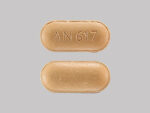
If you have a prescription for amoxicillin and a dinner, party, or game night on the calendar, you probably want a straight answer about amoxicillin and alcohol. Here it is: there is no known direct chemical interaction between the two. The UK’s National Health Service states plainly in its common questions about amoxicillin that you can drink alcohol while taking it, and amoxicillin’s prescribing information does not list alcohol as a warning.
That doesn’t make drinking a good idea on every day of your course. Alcohol can add to stomach upset, wreck your sleep, dehydrate you, and make it harder for your body to shake off the infection your doctor is treating. So the honest answer to “can you drink on amoxicillin?” is: a modest amount is unlikely to cause harm for most healthy adults, but less is better, and some people should skip it entirely. The rest of this guide explains why, clears up the most common myths, and walks through real-life situations.
Why this question comes up so often
Almost everyone has heard some version of “never drink on antibiotics.” Pharmacists, parents, friends, and websites repeat it, and many people assume it applies to every antibiotic equally. The belief is so common that even health workers share it. In a 2008 paper in the BMJ, researchers at a London sexual health clinic reported that 76% of clinic staff in a pilot survey believed alcohol stopped antibiotics from working, even though the national drug formulary listed no such problem for most antibiotics (Lwanga and colleagues, BMJ 2008).
Nobody knows exactly where the blanket rule started. One popular explanation dates it to the 1950s, when penicillin became the first reliable cure for sexually transmitted infections such as syphilis and gonorrhea. The story goes that doctors told patients to avoid alcohol so they would be less likely to have sex and pass on the infection before treatment was finished. That account is hard to prove, but it shows how a sensible behavioral message could turn into a “medical fact” over time.
The rule also stuck because a few antibiotics really do clash with alcohol. Metronidazole and tinidazole, for example, carry clear label warnings. When some antibiotics carry a real warning and others don’t, the simplest advice is “avoid it with all of them,” and that is the version most people remember.
There is a third reason too: the infection itself. When you are sick enough to need an antibiotic, your body is already under strain. Advice to skip alcohol is often less about the pill and more about giving yourself the best chance to recover quickly.
5 myths about antibiotics and alcohol
Below are the five beliefs we hear most often about mixing amoxicillin and alcohol, along with what the evidence actually shows.
Myth 1: Alcohol cancels out amoxicillin
The myth: Even one drink will “neutralize” the antibiotic, so your infection won’t clear and you’ll have wasted the whole course.
What’s actually true: There’s no good evidence that alcohol stops amoxicillin from killing bacteria. A 2020 review in Antimicrobial Agents and Chemotherapy looked at the research on alcohol and antibiotics and found only a small study in eight healthy volunteers for amoxicillin (Mergenhagen et al., “Fact versus Fiction”). In that study, alcohol slowed how quickly amoxicillin was absorbed, but the peak level and the total amount of drug in the blood did not change in a meaningful way. In other words, alcohol may delay amoxicillin a little, but it doesn’t appear to shrink the dose you get.
So does alcohol make amoxicillin less effective? Not in any way that has been shown. The bigger risk is indirect: heavy drinking can lead to missed or late doses, and that genuinely can affect how well treatment works.
Myth 2: Any drink will cause a violent reaction
The myth: Mixing amoxicillin with a beer will make you flush, vomit, and feel your heart race.
What’s actually true: That set of symptoms describes a “disulfiram-like” reaction, named after a drug used to discourage drinking. It is linked to certain specific medicines, not to amoxicillin. MedlinePlus, the National Library of Medicine’s consumer drug guide, warns that alcohol with metronidazole may cause nausea, vomiting, stomach cramps, headache, sweating, and flushing. Amoxicillin doesn’t work this way. If you feel sick after a drink while on amoxicillin, it’s more likely the alcohol, the infection, or the antibiotic’s own stomach side effects adding up.
Myth 3: No interaction means it’s fine to binge
The myth: Since amoxicillin and alcohol don’t interact, you can drink as much as you normally would, or more.
What’s actually true: “No direct interaction” is not the same as “no consequences.” Heavy drinking disrupts sleep, dehydrates you, irritates the stomach, and strains the immune system you’re counting on to finish the job. It also makes it easy to forget a dose or vomit one back up. Binge drinking is risky on any day; doing it while your body fights a bacterial infection works against you. If you choose to drink, think one drink, not a night out.
Myth 4: You must wait 72 hours after amoxicillin, just like metronidazole
The myth: After your last amoxicillin dose, you need to wait three days before you can safely have a drink.
What’s actually true: That waiting window comes from metronidazole and tinidazole. MedlinePlus advises avoiding alcohol during metronidazole treatment and for at least 3 days after the last dose, and gives the same 3-day guidance for tinidazole. Amoxicillin has no such label requirement. A better rule for amoxicillin is to wait until you’ve finished the course and feel well again, which mostly comes down to recovery, not chemistry.
Myth 5: Alcohol is fine with every antibiotic
The myth: If it’s okay with amoxicillin, it must be okay with any antibiotic.
What’s actually true: This is the flip side of the “never drink” myth, and it’s just as wrong. The Mayo Clinic lists metronidazole, tinidazole, and sulfamethoxazole-trimethoprim as antibiotics to avoid with any alcohol, and notes that linezolid can react with tap beer and red wine. Other antibiotics carry their own concerns, which we cover in the table below. Always check the specific drug you were given, not the class it belongs to.
How alcohol can still get in the way of recovery
Even without a direct drug interaction between amoxicillin and alcohol, drinking can slow you down while you’re on treatment. These are the main ways it gets in the way.
Sleep
Alcohol can make you drowsy at first, but it tends to break up sleep later in the night, leaving you less rested. Good sleep is one of the simplest things you can do to support recovery, so even a couple of drinks in the evening can leave you feeling worse the next day.
Immune function
Antibiotics reduce the number of bacteria, but your immune system finishes the work. Heavy and long-term drinking is known to weaken immune defenses and raise the risk of infections such as pneumonia. One or two drinks is unlikely to make a big difference, but a heavy night can work against you when you’re already sick.
Hydration
Alcohol makes you urinate more, and infections often bring fever and sweating. Put those together and dehydration comes quickly, especially with a sore throat that makes swallowing painful. Dehydration can bring headaches, fatigue, and dizziness that are easy to blame on the antibiotic.
Stomach and gut side effects
This is the overlap people notice most. Nausea, vomiting, and diarrhea are among amoxicillin’s common side effects, and alcohol can cause all three on its own. In the Augmentin prescribing information on DailyMed, diarrhea or loose stools affected about 9% of people in clinical trials and nausea about 3%. Adding alcohol can make a mild upset stomach noticeably worse. Our guide to amoxicillin side effects and when to call a doctor explains which gut symptoms are normal and which need attention, such as watery or bloody diarrhea.
Dizziness and drowsiness
Amoxicillin on its own usually doesn’t affect driving, according to the NHS. But being ill, dehydrated, and tired already dulls your reactions. Alcohol on top of that can leave you dizzier and slower than you’d expect from the amount you drank, so plan not to drive after drinking.
A liver note for Augmentin and alcohol
Augmentin is amoxicillin combined with clavulanate, which helps it work against bacteria that resist plain amoxicillin. Its label warns that liver problems, including hepatitis and cholestatic jaundice (a slowing of bile flow), have been linked to the drug. The label says these problems were reported more often in older adults, in men, and in people on long courses, and that they can show up during treatment or several weeks after stopping. They are usually reversible, but they can be serious. Deaths have been reported, though rarely.
The label does not mention alcohol, and there’s no proven interaction. Still, if you drink heavily or have liver disease, it makes sense to go easy on your liver while taking Augmentin and to tell your prescriber about your drinking. Our amoxicillin vs Augmentin comparison explains why doctors choose one over the other. Signs of a liver problem to report right away include yellowing skin or eyes, dark urine, pale stools, or pain in the upper right belly.
Amoxicillin and alcohol compared with other antibiotics
When it comes to amoxicillin and alcohol, the concern is low compared with several other antibiotics. Here’s how it compares with other antibiotics that often come up in this conversation.
| Antibiotic | Alcohol concern | Why |
|---|---|---|
| Metronidazole (Flagyl) | High: avoid during treatment and for at least 3 days after | Can cause a disulfiram-like reaction (flushing, nausea, vomiting, cramps, headache, sweating), per MedlinePlus |
| Tinidazole (Tindamax) | High: avoid during treatment and for 3 days after | Same type of reaction as metronidazole, per MedlinePlus |
| Sulfamethoxazole-trimethoprim (Bactrim) | Avoid, per Mayo Clinic | Mayo Clinic lists it with metronidazole and tinidazole as causing flushing, headache, nausea, and fast heart rate with alcohol; research evidence is limited |
| Linezolid (Zyvox) | Moderate: avoid tap beer and large amounts of red wine | Linezolid weakly blocks MAO; tyramine-rich drinks can raise blood pressure. Tap beer has far more tyramine than bottled beer |
| Doxycycline | Mainly a concern with chronic heavy drinking | In long-term heavy drinkers, the body clears doxycycline faster, which may lower drug levels; occasional drinks appear unlikely to matter |
| Isoniazid (tuberculosis) | High: generally avoid | Daily drinking is linked to a higher risk of isoniazid-related hepatitis (liver injury) |
| Cefotetan and related cephalosporins | Avoid | Cephalosporins with a specific side chain (cefotetan, cefoperazone, cefamandole, cefmetazole) have been linked to disulfiram-like reactions; many common cephalosporins lack it |
| Azithromycin (Zithromax) | Low | Listed in NIAAA’s interaction chart, but a 2020 review found no published evidence of a clinically meaningful interaction |
| Amoxicillin / amoxicillin-clavulanate | Low: moderation advised | No direct interaction known; alcohol may slightly slow absorption but not total levels. Concerns are GI overlap and recovery; Augmentin carries a rare liver warning |
The National Institute on Alcohol Abuse and Alcoholism keeps a broader chart of harmful interactions between alcohol and medicines. Amoxicillin isn’t on it, but many of the pain relievers and cold remedies people take alongside antibiotics are.
Real-life scenarios
General rules are useful, but most people are trying to decide about a specific evening. These four examples are hypothetical, meant to show how the reasoning plays out. Your own doctor or pharmacist can tailor the advice to you.
Scenario 1: A glass of wine at dinner on day 5
Say you’re a healthy adult on day 5 of a 7- or 10-day course for a sinus infection. Your fever is gone, you’re eating normally, and you’ve had no stomach trouble. A friend’s birthday dinner comes up, and you’d like one glass of wine.
In this situation, one drink with food is unlikely to cause problems. Take your dose on schedule, eat a full meal, sip water alongside the wine, and stop at one. If you’ve had diarrhea or nausea from the antibiotic, skip it, because alcohol may tip a mild upset into a rough night. And if you’re still feeling unwell on day 5, that’s a sign your body still needs the rest.
Scenario 2: A wedding weekend in the middle of your course
Imagine you started amoxicillin on Wednesday for a dental infection, and a wedding with an open bar falls on Saturday. This is where the “no interaction” message can lead people astray. A wedding often means hours of drinking, late nights, irregular meals, and travel, all of which make it easy to miss doses.
Practical approach: set phone alarms for every dose, including the next morning’s. Eat before and during the reception. Choose a limit in advance (one or two drinks across the evening) and alternate with water or soda. If your tooth or jaw is still swollen or throbbing, or if you’ve been told the infection is spreading, it’s wiser to skip alcohol for the weekend. Severe dental infections can become serious, and you want a clear head to notice warning signs like spreading facial swelling or trouble swallowing.
Scenario 3: A teen or college student on amoxicillin for strep
Picture a 17-year-old, or a 19-year-old college student, taking amoxicillin for strep throat when a party invitation arrives. In the US, anyone under 21 is under the legal drinking age, and health agencies advise them not to drink at all, antibiotic or not.
Beyond that, strep throat makes swallowing painful, and alcohol can irritate a raw throat and dehydrate you. Strep is also contagious, so sharing cups at a party is a fast way to pass it to friends. The most useful thing a student can do is finish every dose, even after the throat feels better, because stopping early raises the chance of the infection coming back. Parents may want to have a frank, low-pressure talk about why skipping the party this time is the smart call.
Scenario 4: Also taking a sedating cold medicine or a painkiller
Suppose you’re on amoxicillin for an ear or chest infection and also taking a nighttime cold medicine with an antihistamine, plus acetaminophen or ibuprofen for aches. This is the scenario where alcohol becomes riskier, not because of the amoxicillin, but because of everything else in the cabinet.
According to NIAAA, alcohol combined with antihistamine cold and allergy products can increase drowsiness and dizziness, and some liquid medicines contain up to 10% alcohol themselves. Alcohol with acetaminophen raises the risk of liver damage, and with ibuprofen or naproxen it raises the risk of stomach bleeding and ulcers. If you were prescribed an opioid or a codeine-containing cough syrup, such as after a dental procedure, alcohol can slow your breathing and is dangerous. In this scenario, the safest choice is to skip alcohol until you no longer need the other medicines. If you aren’t sure what’s in a product, ask your pharmacist to check.
Who should skip alcohol entirely while on amoxicillin
For some people, the low-risk picture of amoxicillin and alcohol doesn’t apply. Skip drinking during your course, and talk to your prescriber, if any of these fit you:
- Liver disease. If you have hepatitis, cirrhosis, fatty liver disease, or any other liver condition, alcohol adds strain your liver doesn’t need. This matters even more if you’re taking Augmentin, given its liver warning.
- Pregnancy. No amount of alcohol is known to be safe during pregnancy, and that guidance applies whether or not you’re taking an antibiotic.
- Interacting medicines. Sedatives, sleep aids, anxiety medicines, opioids, some antidepressants, seizure medicines, and blood thinners can all interact with alcohol. So can a second antibiotic like metronidazole, which is sometimes prescribed along with amoxicillin.
- Severe or worsening infection. If you have a high fever, spreading redness or swelling, trouble breathing, or you were recently in the hospital, your body needs all its resources. Alcohol can also mask symptoms you should be watching.
- Alcohol use disorder or recovery. If you find it hard to stop at one drink, or you’re in recovery, an antibiotic course is not the time to test it. Under-21s should also avoid alcohol entirely.
If drinking feels hard to control, help is available. SAMHSA’s National Helpline at 1-800-662-4357 (1-800-662-HELP) is free, confidential, and open 24 hours a day, 365 days a year, in English and Spanish.
Practical tips if you decide to drink while taking amoxicillin
If you’re a healthy adult, none of the situations above apply, and you choose to have a drink, these habits keep the risk low:
- Wait until you feel better. Most people improve within a few days. If you still have a fever or feel run down, hold off.
- Keep it to one or two. US dietary guidance already advises no more than two drinks a day for men and one for women, and less is better. While you’re sick, aim for the low end.
- Space it away from your dose. There’s no required gap, but having your drink a few hours after a dose, with food, can make it easier on your stomach and reduces the chance of vomiting the medicine back up.
- Eat first. Amoxicillin can be taken with food to ease stomach upset, and food also slows alcohol absorption.
- Match every drink with water. This helps offset dehydration from both the infection and the alcohol.
- Protect your dosing schedule. Set alarms so a late night doesn’t turn into a missed morning dose. If you miss one, follow your pharmacist’s advice; don’t double up.
- Check your other medicines. Read cold, cough, and pain reliever labels, and remember that some mouthwashes and liquid medicines contain alcohol.
- Stop if you feel worse. New or worse diarrhea, vomiting, rash, or dizziness are reasons to put the drink down and contact your doctor or pharmacist.
Remember that the drink is optional, but the full course is not. Finishing your prescription as directed matters far more to your recovery than whether you have a glass of wine. If you want a refresher on what amoxicillin is prescribed for and why the full course matters, see our overview of the infections amoxicillin treats.
Related medicine-and-alcohol guides: If you take other medicines, see our articles on Ambien and alcohol, Valium and alcohol, whether albendazole and alcohol are safe together, and Adderall and alcohol. Several of these combinations carry far more risk than amoxicillin does.
Frequently asked questions
How long after taking amoxicillin can I drink alcohol?
Amoxicillin has no required waiting period like metronidazole’s 3-day rule. Many doctors suggest simply waiting until you’ve finished the course and your symptoms have cleared. If you have a drink during your course, a few hours after a dose and with food is a sensible approach.
Does alcohol make amoxicillin less effective?
There’s no evidence that it does. A small study found alcohol slowed absorption but did not meaningfully change how much amoxicillin reached the blood. The real risk is indirect: heavy drinking can lead to missed doses, poor sleep, and slower recovery.
Is Augmentin and alcohol different from amoxicillin and alcohol?
Neither has a known direct interaction. Augmentin commonly causes diarrhea (about 9% of people in clinical trials), and its label carries a rare liver warning. That’s a good reason to keep drinking minimal while on it, especially if you’re older, drink heavily, or have liver problems.
I drank a lot while on amoxicillin. What should I do?
Don’t panic, and don’t stop the antibiotic. Drinking alcohol while taking amoxicillin isn’t known to cause a dangerous reaction. Drink water, eat something bland, rest, and take your next dose on time. Contact your doctor if you vomited a dose, have severe diarrhea or vomiting, or feel your infection is getting worse. If you’re also on metronidazole or another interacting medicine and have a strong reaction, seek medical care.
Do I need to avoid mouthwash or cough syrup with alcohol?
Not because of amoxicillin. That caution matters for metronidazole and tinidazole, where even small amounts of alcohol in products can trigger a reaction. With amoxicillin, the bigger concern with cough and cold syrups is their sedating ingredients, so read labels and ask your pharmacist.
References
- NHS. Common questions about amoxicillin.
- Mergenhagen KA, et al. Fact versus Fiction: a Review of the Evidence behind Alcohol and Antibiotic Interactions. Antimicrob Agents Chemother. 2020;64(3):e02167-19.
- Lwanga J, et al. Do antibiotics and alcohol mix? The beliefs of genitourinary clinic attendees. BMJ. 2008;337:a2885.
- Mayo Clinic. Antibiotics and alcohol.
- MedlinePlus. Metronidazole and Tinidazole drug information.
- DailyMed. Augmentin (amoxicillin and clavulanate potassium) prescribing information.
- NIAAA. Harmful Interactions: Mixing Alcohol With Medicines.
- SAMHSA. National Helpline.
Medical disclaimer: We wrote this guide to explain how alcohol and amoxicillin relate; it is not personal medical advice, and your own clinician or pharmacist should have the final word. Decisions about alcohol, antibiotics, and other medicines depend on your health history and everything else you take. Follow your prescription as written, and contact a healthcare professional if your symptoms worsen or you’re unsure what’s safe for you.