Fact-checked against the FDA prescribing information, NIH and CDC resources. Updated October 2026. This article explains general safety information and does not replace advice from the clinician who prescribed your medicine.
Picture it. You started a short course of worm medicine on Thursday, and on Saturday you are at a cousin’s wedding. The sangeet is loud, someone is pouring whisky, and the waiter is already walking toward you with a tray of glasses. Or you are at a backyard barbecue in Texas, a cold beer is pressed into your hand, and you suddenly wonder if that little white pill from the pharmacy changes anything. So, albendazole and alcohol: can you mix them?
The honest answer is “it depends on the course.” The official US prescribing information for albendazole does not list alcohol as a drug interaction. There is no famous flushing-and-vomiting reaction like the one people associate with some other anti-infective drugs. But “not listed” is not the same thing as “fine.” Albendazole is processed by the liver, and so is alcohol. Longer courses, the kind used for hydatid cysts and for tapeworm cysts in the brain, can raise liver enzymes on their own. And people treated for brain cysts are often also taking steroids and seizure medicines, which add their own reasons to skip drinking.
Below we break this down by the kind of treatment you are actually on, because a single tablet for roundworms and a three-month hydatid program are very different situations.
The short version: No known direct chemical clash, but both substances lean on your liver. The longer and more complex your albendazole treatment, the stronger the case for not drinking at all until your prescriber clears you.
What the label does and doesn’t say about albendazole and alcohol
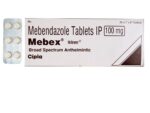
In the United States, albendazole is sold under the brand name Albenza and as generic tablets. The FDA-approved label covers two conditions: parenchymal neurocysticercosis (tapeworm larvae cysts in the brain tissue, caused by Taenia solium) and cystic hydatid disease of the liver, lung and abdominal lining (caused by Echinococcus granulosus). Doctors also prescribe it off-label for common intestinal worms such as pinworm, roundworm, hookworm and whipworm, usually as one dose or a short burst. If you want the full picture of what the drug is and how it works, our guide to what albendazole is covers the basics.
When we read through the FDA prescribing information for Albenza, the word “alcohol” shows up only once, in the chemistry section, where it notes the drug barely dissolves in alcohol or water. That is a description of the powder, not a safety statement. There is no alcohol entry in the warnings, the drug interaction section, or the patient counseling section.
The consumer drug sheet from the National Library of Medicine, MedlinePlus on albendazole, likewise does not mention alcohol. It does ask you to tell your doctor if you have ever had liver disease, and it says your doctor will order lab tests during treatment.
What the label does say that matters for drinkers
The interesting parts are elsewhere in the label. Three things stand out if you are thinking about a drink:
- Liver enzyme rises are common on long courses. In clinical trials, about 16% of hydatid disease patients had elevated liver enzymes, compared with less than 1% of neurocysticercosis patients.
- Liver tests are built into treatment. The label asks doctors to check liver enzymes before each 28-day cycle and at least every two weeks during therapy.
- Liver disease changes the risk. People with liver disease, including those whose hydatid cysts sit in the liver, face a higher risk of bone marrow suppression and need closer blood count checks.
So the label is quiet on alcohol directly but loud on the liver. That is the thread we need to follow.
The liver connection: why albendazole and alcohol overlap
Albendazole itself is absorbed poorly from the gut. Once it gets in, the liver quickly converts it into its active form, albendazole sulfoxide, which is the compound that does most of the work against parasites outside the intestine. In other words, the liver is not a bystander here. It is the factory that switches the drug on.
Alcohol, of course, is also broken down mainly in the liver. Drinking adds workload, and heavy or regular drinking can inflame liver cells over time. On its own, a single drink is unlikely to injure a healthy liver. The concern is overlap: if your treatment is the kind that can already nudge liver enzymes upward, alcohol adds a second source of stress on the same organ during the same weeks.
What the NIH liver database says
The National Institutes of Health keeps a drug-injury reference called LiverTox. Its albendazole entry (updated April 2026) reports that temporary, symptom-free rises in liver enzymes can occur in up to half of patients treated for more than a few weeks. It rates albendazole as a highly likely cause of clinically apparent liver injury, though serious cases are uncommon. Most injuries are mild to moderate and improve quickly once the drug stops, but LiverTox also notes rare severe cases, including acute liver failure.
Two details from that entry are worth noticing. First, single 400 mg doses for minor worm infections are linked to liver injury mostly in isolated case reports. Second, when injury does happen after a short one- to three-day course, it may show up one to two weeks later. That delay is one reason to stay sensible about alcohol for a little while after you finish, not just on pill days.
For a deeper look at enzyme tests, symptoms and monitoring, see our companion piece on albendazole and liver health.
Overlapping side effects
There is also a simpler, everyday reason. Albendazole’s most common complaints include nausea, vomiting, belly pain, headache and dizziness. Alcohol can cause every one of those. Mix them and you may feel worse than either would make you feel alone, and you may not be able to tell which one is to blame. That matters if you are trying to report side effects accurately to your doctor. Our list of albendazole side effects explains which ones are routine and which need a call.
Short course vs long course: a side-by-side table
This is the heart of the “it depends” answer on albendazole and alcohol. The table below compares the typical treatment patterns. The doses listed are general reference points from the FDA label and CDC guidance; your own dose is set by your clinician based on your weight, diagnosis and health.
| Factor | Short course (intestinal worms) | Long course (hydatid disease or neurocysticercosis) |
|---|---|---|
| Typical use | Pinworm, roundworm, hookworm, whipworm (often off-label in the US) | Liver, lung or abdominal hydatid cysts; tapeworm cysts in the brain |
| Usual length | One dose, sometimes repeated in two weeks, or 1–3 days | Hydatid: 28-day cycles with 14-day breaks, three cycles per label. NCC: 8–30 days per label |
| Taken with food? | Often on an empty stomach for gut worms (per CDC pinworm guidance) | With meals, to boost absorption into the blood |
| Liver enzyme rise | Rare; mainly case reports | About 16% in hydatid trials; up to 50% in longer courses per LiverTox |
| Routine blood tests | Usually none | Liver tests and blood counts before each cycle and every 2 weeks |
| Other drugs in the mix | Usually none | Often steroids, antiseizure medicines, sometimes praziquantel |
| Alcohol outlook | Lower concern, but skipping alcohol for a few days is a cautious, easy choice | Strongest case for avoiding alcohol entirely until your doctor says otherwise |
The one-tablet scenario
If your doctor or a family member handed you a single 400 mg tablet for a suspected gut worm, the drug mostly stays in the intestine and works there. Blood levels are low, especially on an empty stomach. Many pharmacists will tell you a drink or two a day or more later is unlikely to cause a dramatic problem. Still, there are good reasons to wait a few days: you avoid piling stomach upset on stomach upset, you give your liver an easy week, and you can judge clearly whether the medicine is bothering you.
One related wrinkle: fatty meals push more albendazole into the bloodstream. The label notes a high-fat meal raised sulfoxide levels up to about five times compared with fasting. Wedding food tends to be rich. If you are on a short course meant to stay in the gut, ask your pharmacist how to time doses around meals. Our guide on taking albendazole with food walks through when food helps and when it is not needed.
The month-long scenario
Hydatid treatment is a different animal. You take albendazole twice a day with meals, deliberately maximizing blood levels, for 28 days at a stretch, often for three rounds. Your liver may already be the site of the cysts. Your doctor is checking enzymes every two weeks precisely because they tend to drift. In this setting, alcohol does not help and can muddy your lab results. If your ALT jumps, your doctor needs to know whether the drug, the cyst, or the weekend’s drinking is responsible. Most specialists will simply ask you to abstain for the full program.
If you’re also on steroids, antiseizure meds or praziquantel
Neurocysticercosis treatment rarely involves albendazole alone. According to the CDC’s clinical care page for cysticercosis, steroids such as dexamethasone are often given to calm the swelling that happens when cysts die, antiseizure medicines are the mainstay for seizures, and patients with more than two live cysts may get praziquantel alongside albendazole. Each of those adds a layer to the alcohol question. Our full guide to albendazole for neurocysticercosis explains why the combination is used.
Seizure threshold
When brain cysts die, the surrounding tissue gets inflamed. That is when headaches, vomiting and seizures can flare, sometimes during the first week of therapy. Alcohol complicates that picture. Heavy drinking and alcohol withdrawal can both lower the seizure threshold, and poor sleep after a late night does not help either. If you are being treated because cysts already caused a seizure, adding alcohol during the most inflamed weeks is a gamble with no upside.
Antiseizure drug interactions
The National Institute on Alcohol Abuse and Alcoholism lists common seizure medicines, including phenytoin, levetiracetam, carbamazepine, lamotrigine and clonazepam, in its chart of harmful interactions between alcohol and medicines. The possible effects it names include drowsiness, dizziness and, with levetiracetam and phenytoin, an increased risk of seizures. That is the opposite of what the medicine is supposed to do. If a benzodiazepine like clonazepam or diazepam is part of your plan, the sedation risk with alcohol climbs further, which we cover in our article on Valium and alcohol.
Steroids
The FDA label reports that dexamethasone raised steady-state albendazole sulfoxide trough levels by about 56% in neurocysticercosis patients. That is part of why steroids are paired with the drug, but it also means more active drug circulating through your liver. Steroids also carry their own stomach risk. Corticosteroids plus alcohol can irritate the stomach lining, and steroids can affect blood sugar and mood. It is one more stressor stacked on the pile.
Praziquantel
When praziquantel is added, the label notes albendazole sulfoxide peak levels and overall exposure rose by about 50% in healthy volunteers. Praziquantel commonly causes dizziness and drowsiness by itself, and many patients are told not to drive on treatment days. Alcohol amplifies exactly those effects.
Put together, a person treated for brain cysts may have more active albendazole in the blood, an inflamed brain, a lowered seizure threshold, a sedating seizure drug, and a steroid irritating the stomach. That is a lot of reasons, and none of them involve a formal albendazole-alcohol interaction. It is the whole treatment package that makes drinking a poor idea.
Alcohol and the worms themselves
Beyond the question of albendazole and alcohol in your bloodstream, there is the infection itself. Two practical issues come up again and again.
Gut irritation
Intestinal worms can already cause cramping, bloating, loose stools and nausea. Alcohol irritates the stomach and gut lining, speeds up or slows down bowel movements, and can worsen reflux. While your gut is recovering from an infection and from the deworming itself, drinking tends to drag out the discomfort. If cramping or loose stools continue well after treatment ends, mention it to your doctor rather than assuming it is the drink.
Reinfection through food, drinks and ice
Most worm infections spread through tiny eggs in contaminated food, water or soil, or from hand to mouth. Pork tapeworm eggs that cause neurocysticercosis come from human feces carrying the adult tapeworm, so food handled by an infected person can transmit them. Big gatherings carry a few specific risks:
- Ice made from untreated water, in places where tap water is not safe to drink.
- Raw salads, chutneys and garnishes washed in unsafe water.
- Undercooked pork or beef, which can carry tapeworm cysts (for T. solium and T. saginata).
- Shared plates and buffets where handwashing is uncertain.
- Drinks mixed with untreated water, such as some homemade cocktails or lassi.
Alcohol does not make a drink sterile. The ice and the mixer do not care whether there is rum in the glass. And after a few drinks, people tend to be less careful about what they eat and whether they washed their hands. If you just finished deworming, it would be frustrating to pick up a new infection at the very party you were celebrating at.
Myths
A lot of folklore surrounds alcohol and worms. Here are the ones we hear most, with what the evidence actually supports.
Myth: “Alcohol kills worms, so a drink helps the medicine.”
No. The alcohol in beer, wine or spirits is absorbed in the stomach and upper intestine and diluted in your body water. It never reaches the gut, the liver cysts or brain cysts at any concentration that would harm a parasite, and it certainly does nothing to tapeworm cysts in tissue. Rubbing alcohol on a countertop and whisky in your stomach are not the same thing. There is no evidence that drinking speeds or strengthens deworming.
Myth: “Albendazole causes the same violent reaction with alcohol as metronidazole.”
This mix-up is common, partly because several anti-infective drugs get grouped together in people’s minds. The well-known warning about nausea, vomiting, flushing and headache after drinking belongs to metronidazole (Flagyl) and its relative tinidazole, which treat certain bacterial and parasitic infections like giardia and trichomonas. MedlinePlus on metronidazole advises no alcohol during treatment and for at least three days after the last dose for that reason. This is often described as a “disulfiram-like” reaction, after the drug used to discourage drinking. Albendazole’s label carries no such warning. If you were given both drugs for a mixed infection, though, the metronidazole rule applies, so check every label in your bag.
Myth: “It’s just a worm pill; nothing it does is serious.”
For one tablet, serious problems are rare. For longer courses, the FDA label warns about bone marrow suppression (including rare fatal cases) and liver enzyme rises, which is why blood tests are required. “Worm pill” undersells what a 28-day course can do.
Myth: “If I skip my dose on party night, I can drink and just take two tomorrow.”
Please don’t. Doubling up raises blood levels and side effects, and skipping can weaken treatment of serious infections like neurocysticercosis. If a dose and an event clash, ask your pharmacist what to do rather than improvising.
Myth: “Beer is fine because it’s weaker than spirits.”
Your liver handles the ethanol, not the label on the bottle. A pint of strong beer can carry as much alcohol as a shot or two of whisky. The type of drink matters far less than the total amount.
A practical approach
Rather than a one-size rule for albendazole and alcohol, here is how we would think it through, step by step, with your prescriber in the loop.
- Name your course. Is this one tablet, three days, or weeks of therapy? Check your prescription or ask the pharmacist. This single fact shapes everything else.
- List everything else you are taking. Steroids, seizure medicines, praziquantel, metronidazole, sleep aids, pain relievers. Any of these can change the alcohol answer more than albendazole does.
- Be honest about your liver. If you have fatty liver, hepatitis B or C, cirrhosis, a history of heavy drinking, or hydatid cysts in the liver, tell your doctor and plan on not drinking.
- Ask a direct question. Something like: “I have a wedding on the 14th. Is any alcohol okay on this course, and if not, how long after the last dose should I wait?” Prescribers appreciate specifics.
- Time your blood tests. If you are on a long course with liver checks every two weeks, drinking in the days before a blood draw can cloud the results. Clean labs help your doctor keep you on track.
- Have a plan for the event. Sparkling water with lime, a mocktail, or a soft drink in hand stops most people from offering you a drink. A simple “I’m on medication this week” is usually enough.
- Don’t stop or adjust your medicine to make room for drinking. If the timing is truly impossible, your prescriber may be able to shift the schedule. That is their call, not a DIY fix.
How long to wait after finishing
The label does not set a waiting period for alcohol, so there is no official number. Albendazole sulfoxide normally clears within a day or so in healthy adults, but the label shows that clearance slows a great deal in people with bile duct blockage. Because LiverTox notes liver injury after short courses can surface one to two weeks later, some clinicians suggest holding off for several days after a short course. After a long course, ask your doctor to look at your final liver tests before you resume drinking. If you notice any warning sign in the list below, wait and call first.
Comparing other “can I drink on this?” questions
Albendazole sits at the milder end of the alcohol-interaction spectrum, which is part of why the question confuses people. Medicines that act on the brain usually have much more clear-cut warnings. Stimulants can mask how drunk you feel, as explained in our piece on Adderall and alcohol. Sleep drugs stack sedation and raise the risk of dangerous nighttime behaviors, covered in Ambien and alcohol. With albendazole, the main issues are liver load, stomach upset and the other drugs that come with complex treatment.
Warning signs
Whether or not you drank, contact your prescriber promptly if you notice any of the following during or after albendazole treatment.
Possible liver trouble
- Yellowing of the skin or the whites of the eyes
- Dark, tea-colored urine or pale stools
- Pain or tenderness under the right ribs
- Unusual tiredness, loss of appetite, or nausea that keeps getting worse
- Fever with rash, which can signal a hypersensitivity reaction
Possible blood count problems
- Sore throat, fever, chills or other signs of infection
- Easy bruising or unusual bleeding, such as nosebleeds or bleeding gums
- Pale skin, weakness, or shortness of breath with mild effort
Neurological red flags (especially during neurocysticercosis treatment)
- A seizure, especially a first one or one that is longer than usual
- Severe or worsening headache, repeated vomiting
- Confusion, extreme sleepiness, vision changes or behavior changes
Call 911 for a seizure lasting more than five minutes, trouble breathing, someone who cannot be woken, or signs of a severe allergic reaction like swelling of the face or throat. If you think someone has taken too much of any medicine, or mixed medicines with alcohol and is very drowsy, call Poison Control at 1-800-222-1222 in the US. If drinking has become hard to control, the SAMHSA National Helpline at 1-800-662-4357 is free, confidential and open 24 hours a day.
Five quick takeaways
- No official interaction, but not a free pass. The US label does not list albendazole and alcohol as an interacting pair, yet both are handled by the liver.
- Course length changes the answer. A single tablet for gut worms is lower concern; month-long hydatid or brain-cyst treatment is where avoiding alcohol matters most.
- The other drugs often matter more. Steroids, seizure medicines, praziquantel and metronidazole each give their own reasons to skip drinking.
- Alcohol does not kill worms. And the flushing reaction you have heard about belongs to metronidazole and tinidazole, not albendazole.
- Ask before the party, not after. A two-minute conversation with your pharmacist or prescriber gives you an answer tailored to your liver, your course and your other medicines.