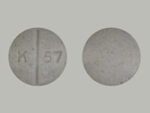
Claritin is one of the most familiar allergy medicines on pharmacy shelves. Millions of people take it every spring when pollen counts soar, and many keep it on hand year-round for dust, pet dander, or hives. But familiar does not always mean fully understood. What exactly does Claritin treat? How long does it take to work? Who should be careful with it, and when is it the wrong choice?
This guide covers the uses and benefits of Claritin (loratadine), the different forms available, how to get the best results, and the risks and precautions worth knowing before you take it.
Claritin at a Glance
| Generic name | Loratadine |
|---|---|
| Drug class | Second-generation (non-sedating) H1 antihistamine |
| Availability | Over the counter in most countries |
| Usual adult dose | 10 mg once daily |
| Approved ages | 2 years and older (liquid); 6 and older for most tablets and chewables |
| Starts working | Usually within 1 to 3 hours |
| Lasts | About 24 hours |
| Active metabolite | Desloratadine (sold separately as Clarinex) |
| Common brand names | Claritin, Alavert, Lorfast, Lorano, and many store brands |
A quick note on names: Claritin is not clarithromycin
Because the names look alike, people sometimes confuse Claritin with clarithromycin. They are completely different medicines. Claritin is an antihistamine for allergies. Clarithromycin is a prescription antibiotic for bacterial infections. If you are curious about the antibiotic, see our guide to clarithromycin uses. Always double-check the label at the pharmacy.
How Claritin Works
When your immune system mistakes something harmless, such as pollen, for a threat, mast cells release histamine. Histamine binds to H1 receptors in your nose, eyes, skin, and airways, causing the familiar symptoms: sneezing, a runny nose, itchy eyes, and hives.
Loratadine blocks H1 receptors, so histamine cannot trigger those reactions. Unlike older antihistamines such as diphenhydramine (Benadryl), loratadine does not easily cross the blood-brain barrier. That is why it is far less likely to make you sleepy. Whether it is truly “non-drowsy” for everyone is a separate question we explore in Claritin side effects: is it really non-drowsy?
In the liver, loratadine is converted into desloratadine, which is also active and contributes to the drug’s long duration of action.
What Is Claritin Used For?
1. Seasonal allergic rhinitis (hay fever)
This is Claritin’s best-known use. It relieves:
- Sneezing
- Runny nose
- Itchy nose or throat
- Itchy, watery eyes
Tree pollen in spring, grass pollen in summer, and weed pollen such as ragweed in late summer and autumn are common triggers.
2. Perennial (year-round) allergies
Indoor allergens such as dust mites, pet dander, cockroach droppings, and mold can cause symptoms all year. Claritin can be taken daily for long-term control.
3. Hives (chronic urticaria)
Claritin is labeled to relieve itching from hives in many markets. For chronic hives, doctors sometimes recommend higher-than-standard doses of non-sedating antihistamines, but only under medical supervision.
4. Itchy, watery eyes from allergies
Oral antihistamines help allergic eye symptoms, though eye drops may work faster and more directly for some people.
5. Mild allergic skin reactions
Doctors may suggest an antihistamine like loratadine for mild itching from insect bites or minor allergic rashes. It is not a treatment for severe allergic reactions or anaphylaxis, which require epinephrine and emergency care.
What Claritin does not treat well
- Nasal congestion: Plain loratadine has limited effect on a stuffy nose. Claritin-D adds a decongestant for this reason.
- The common cold: Antihistamines are not effective for cold symptoms in most people.
- Asthma attacks: Claritin does not open airways. Rescue inhalers are needed for asthma symptoms.
- Anaphylaxis: Never rely on an antihistamine in place of epinephrine.
- Drug allergies: If you suspect an allergic reaction to a medicine such as an antibiotic, stop and seek advice; see our guide to amoxicillin allergy for an example.
Key Benefits of Claritin
- Once-daily dosing: One dose covers 24 hours for most people.
- Low drowsiness: In clinical trials at the standard 10 mg dose, rates of sleepiness were similar to placebo.
- Available without prescription: Easy access at pharmacies and grocery stores.
- Affordable generics: Store-brand loratadine is identical in active ingredient and often much cheaper.
- Suitable for many ages: Liquid forms from age 2, with a doctor’s guidance under 6.
- Long safety record: Used widely for more than three decades.
- Relatively few drug interactions: Fewer meaningful interactions than many other medicines.
- Among preferred antihistamines in pregnancy: Loratadine has substantial reassuring pregnancy data (more below).
Forms and Strengths
| Form | Strength | Typical use |
|---|---|---|
| Tablets | 10 mg | Adults and children 6+ |
| Liqui-Gels (capsules) | 10 mg | Adults and children 6+ |
| RediTabs (dissolving tablets) | 5 mg and 10 mg | Easier for people who struggle with swallowing |
| Chewable tablets | 5 mg | Children 6+ (two for adults) |
| Oral solution (syrup) | 5 mg per 5 mL | Children 2+ with label or doctor guidance |
| Claritin-D 12 Hour | 5 mg loratadine + 120 mg pseudoephedrine | Adults and children 12+ |
| Claritin-D 24 Hour | 10 mg loratadine + 240 mg pseudoephedrine | Adults and children 12+ |
Standard Dosing
| Age group | Typical label dose | Maximum per 24 hours |
|---|---|---|
| Adults and children 6 years and older | 10 mg once daily | 10 mg |
| Children 2 to under 6 years | 5 mg (5 mL of liquid) once daily | 5 mg |
| Children under 2 | Ask a doctor | – |
| Liver or kidney disease | Ask a doctor; a lower or less frequent dose may be advised | – |
Always follow your product’s Drug Facts label, since strengths differ. Use the measuring cup or syringe that comes with liquid products. Children’s Hospital Colorado offers a clear loratadine dose table for parents, but confirm with your child’s doctor, particularly for children under 6.
Claritin-D: When the Decongestant Matters
Claritin-D combines loratadine with pseudoephedrine, a decongestant that shrinks swollen blood vessels in the nose. It can be helpful if congestion is your main complaint, but it brings extra risks.
Who should avoid or ask before using Claritin-D
- People with high blood pressure or heart disease
- People with an overactive thyroid
- People with diabetes
- Men with an enlarged prostate who have trouble urinating
- People with narrow-angle glaucoma
- Anyone taking an MAO inhibitor or who stopped one within the last two weeks
- People who take stimulant medicines, since pseudoephedrine can add to increases in heart rate and blood pressure. Our article on Adderall and heart health discusses stimulant effects on the heart.
Other Claritin-D notes
- In the US, pseudoephedrine products are kept behind the pharmacy counter, and you may need to show ID.
- Pseudoephedrine can cause insomnia, jitteriness, and a racing heart, so avoid taking it late in the day.
- Do not crush or chew extended-release Claritin-D tablets.
How to Get the Best Results From Claritin
- Start before the season peaks. If you know your allergy season, begin daily use a week or two before symptoms usually start.
- Take it every day during exposure. Antihistamines work best preventively, not just as rescue medicine.
- Pick a consistent time. Morning works for most people; evening if you notice any mild drowsiness.
- Add a nasal steroid spray if needed. For moderate to severe nasal symptoms, especially congestion, intranasal corticosteroids are often more effective than oral antihistamines alone.
- Reduce exposure. Keep windows closed on high pollen days, shower after being outdoors, wash bedding in hot water, and use HEPA filters.
- Give it a fair trial. If one antihistamine does not work well after a week or two, another may suit you better. See our comparison of Claritin vs Zyrtec.
Risks and Precautions
Common side effects
Claritin is well tolerated by most people. The most commonly reported side effects include:
- Headache
- Dry mouth
- Tiredness or mild drowsiness in some people
- Sore throat
- Nervousness or hyperactivity in some children
For a full breakdown, read Claritin side effects.
Rare but serious reactions
Stop taking Claritin and seek help if you notice signs of an allergic reaction to the medicine itself (rash, hives, swelling, difficulty breathing), a fast or irregular heartbeat, fainting, seizures, or yellowing of the skin or eyes.
Liver and kidney disease
Loratadine is processed by the liver, and its metabolites leave through the kidneys. People with significant liver or kidney disease should ask a doctor before use; a lower starting dose or every-other-day dosing may be recommended.
Older adults
Claritin is generally preferred over older sedating antihistamines in older adults because it is less likely to cause confusion, falls, or urinary retention. Still, start at the standard dose and watch for drowsiness.
Children
Use only age-appropriate products and doses. Children may occasionally become restless or irritable rather than drowsy. Do not use adult tablets in young children.
Alcohol
Loratadine causes far less additive sedation with alcohol than older antihistamines, but alcohol can still worsen drowsiness in some people and can aggravate allergy symptoms such as nasal congestion.
Allergy skin testing
Antihistamines block skin test reactions. If you are scheduled for allergy testing, you will usually be told to stop Claritin several days beforehand. Follow your allergist’s instructions.
Drug Interactions
Loratadine has fewer significant interactions than many medicines, but some are worth knowing:
| Medicine | Possible effect |
|---|---|
| Ketoconazole, erythromycin, clarithromycin | Can raise loratadine levels; usually not clinically significant, but mention it to your pharmacist |
| Cimetidine | Can modestly raise loratadine levels |
| Other antihistamines (including in cold and sleep products) | Doubling up adds side effects without extra benefit |
| Sedatives, sleep aids, alcohol | Possible added drowsiness in sensitive people |
| MAO inhibitors (with Claritin-D) | Dangerous blood pressure increase; avoid |
Read labels carefully. Many multi-symptom cold and allergy products contain antihistamines, so it is easy to take two by mistake.
Claritin During Pregnancy and Breastfeeding
Loratadine is one of the most studied antihistamines in pregnancy. Large studies have not shown an increased risk of major birth defects, and it is often listed among preferred options alongside cetirizine when an antihistamine is needed. An older concern about a possible link to a genital defect in baby boys was not confirmed in later, larger studies.
Even so, the general rule in pregnancy is to use medicine only when needed and to check with your doctor, midwife, or pharmacist. Claritin-D is usually avoided in early pregnancy because of the pseudoephedrine component.
During breastfeeding, only small amounts of loratadine pass into milk, and it is generally considered compatible with nursing. Watch your baby for unusual drowsiness or irritability. Resources such as MotherToBaby offer free, personalized guidance.
Overdose
Taking more than directed can cause drowsiness, headache, and a fast heartbeat. In children, accidental ingestion of adult tablets is a particular concern. If someone takes too much, contact poison control or seek emergency care.
Storage
- Store at room temperature, away from heat and moisture.
- Keep dissolving tablets in their blister packs until use.
- Keep out of reach of children, especially flavored children’s products.
When to See a Doctor
- Your symptoms do not improve after a week or two of regular use.
- You need allergy medicine most of the year and want a long-term plan.
- You have wheezing, shortness of breath, or chest tightness.
- Your “allergies” come with fever, thick colored mucus, or facial pain, which could suggest an infection.
- You have ear pain or a feeling of fullness that does not improve. Our article on home remedies for ear infection explains when to seek care.
- You are interested in allergy testing or allergy shots (immunotherapy).
Using Claritin Through the Allergy Seasons
Allergy seasons differ by region, but in many temperate climates they follow a predictable pattern. Planning your Claritin use around them can make a real difference.
| Season | Common triggers | Claritin strategy |
|---|---|---|
| Late winter to spring | Tree pollen (birch, oak, cedar) | Start daily doses 1 to 2 weeks before your usual symptom onset |
| Late spring to summer | Grass pollen | Continue daily; add eye drops on high-count days |
| Late summer to autumn | Weed pollen, especially ragweed | Daily doses through the first frost |
| Monsoon and humid months | Mold spores, dust mites | Daily use plus humidity control indoors |
| Winter | Indoor dust, pets, mold | As needed or daily, alongside cleaning and air filtration |
Local pollen forecasts and weather apps can help you anticipate high-exposure days.
How Claritin Fits With Other Allergy Treatments
| Treatment | Best for | How it compares to Claritin |
|---|---|---|
| Nasal steroid sprays (e.g., fluticasone) | Congestion, moderate to severe nasal symptoms | Often more effective for nasal symptoms; takes days to reach full effect |
| Antihistamine eye drops | Itchy eyes | Faster and more targeted for eye symptoms |
| Saline nasal rinses | Clearing allergens and mucus | Drug-free; works well alongside Claritin |
| Decongestant tablets | Short-term congestion | Claritin-D combines both; extra cautions apply |
| Montelukast | Some people with allergies and asthma | Prescription only; carries a boxed warning about mood changes |
| Allergy immunotherapy | Long-term reduction of allergy | Can reduce the need for daily medicines over time |
Common Mistakes People Make With Claritin
- Taking it only when symptoms are bad. Antihistamines work better as prevention.
- Doubling the dose for “extra strength.” This increases side effects, including drowsiness.
- Combining it with nighttime cold remedies that also contain antihistamines.
- Expecting it to fix a blocked nose. Plain loratadine is not a decongestant.
- Using it for cold symptoms. Colds are viral, and antihistamines do little for them.
- Giving adult tablets to young children. Use children’s products and dosing devices.
- Forgetting to stop before allergy testing.
Claritin for Specific Lifestyles
Travelers
New environments bring new pollens and molds. Packing loratadine makes sense for people with known allergies. Check local rules if traveling with Claritin-D, since pseudoephedrine is restricted or banned in some countries.
Athletes and outdoor workers
Because it is low-sedating, loratadine is popular with people who need to stay alert. Pseudoephedrine in Claritin-D is subject to limits in some competitive sports, so athletes should check their governing body’s rules.
Students
Loratadine is less likely than older antihistamines to affect concentration and learning, which makes it a sensible choice during exams.
Myths and Facts About Claritin
| Myth | Fact |
|---|---|
| “Claritin stops working if you take it every day.” | Clear evidence of tolerance is lacking. Changing allergen levels often explain shifts in effectiveness. |
| “Brand-name Claritin is stronger than generic.” | Generic loratadine contains the same active ingredient at the same dose. |
| “Claritin treats sinus infections.” | It may ease allergy-related congestion but does not treat bacterial infections. |
| “It is completely free of side effects.” | Most people tolerate it well, but headache, dry mouth, and mild drowsiness can occur. |
If a bacterial sinus infection is suspected, a doctor may consider antibiotics. Our guide to antibiotics for sinus infection explains when they help and when they do not.
Claritin and Common Health Conditions
| Condition | Plain Claritin | Claritin-D |
|---|---|---|
| High blood pressure | Generally fine | Ask a doctor first |
| Heart disease | Generally fine | Ask a doctor first |
| Asthma | Generally fine; does not treat asthma | Ask a doctor |
| Diabetes | Generally fine | Ask a doctor first |
| Glaucoma | Generally fine | Avoid unless advised |
| Enlarged prostate | Generally fine | May worsen urinary symptoms |
| Liver or kidney disease | Ask about dosing | Ask about dosing |
| Anxiety or insomnia | Generally fine | May worsen symptoms |
Pseudoephedrine in Claritin-D can cause jitteriness and a racing heart, which some people mistake for anxiety. If you already live with anxiety, our article on whether anxiety can cause shortness of breath may help you tell the difference between anxiety symptoms and allergy symptoms.
Signs Your Symptoms May Not Be Allergies
Allergy symptoms tend to be itchy and watery, without fever. If you notice any of the following, a different cause may be at play:
- Fever or body aches, which suggest an infection
- Thick yellow or green mucus lasting more than 10 days, especially with facial pain
- Symptoms on one side of the nose only
- Wheezing or chest tightness
- Ear pain
In these cases, see a doctor rather than relying on Claritin alone.
How Claritin Compares With Older Allergy Pills
Before second-generation antihistamines arrived, people relied on drugs like diphenhydramine and chlorpheniramine. These work, but they commonly cause drowsiness, dry mouth, constipation, blurred vision, and next-day grogginess, and they wear off within four to six hours. Claritin’s main advantages are once-daily dosing and far less sedation. For older adults especially, swapping a first-generation antihistamine for loratadine or a similar option is a common way to reduce fall risk and confusion. If you currently use an older antihistamine at night as a sleep aid, talk to your doctor; using allergy pills for sleep has its own downsides.
Key Takeaways
- Claritin (loratadine) treats sneezing, runny nose, itchy eyes, and hives caused by allergies.
- It works within 1 to 3 hours and lasts about 24 hours.
- It is far less sedating than older antihistamines, though not completely drowsiness-free for everyone.
- Plain Claritin does little for congestion; Claritin-D adds a decongestant with extra cautions.
- People with liver or kidney disease should ask a doctor about dosing.
- It is one of the better-studied antihistamines in pregnancy and breastfeeding.
Frequently Asked Questions
Can I take Claritin every day?
Yes. Claritin is designed for once-daily use and can be taken daily during allergy season or year-round. If you need it long-term, discuss your plan with a doctor.
Is it better to take Claritin at night or in the morning?
Either works. Most people take it in the morning. If you notice any drowsiness, taking it in the evening may help.
Can I take Claritin with Tylenol or ibuprofen?
There is no known interaction between loratadine and acetaminophen or ibuprofen. Check combination products to make sure you are not doubling up on any ingredient.
Does Claritin help with a stuffy nose?
Plain Claritin has only a modest effect on congestion. A nasal steroid spray or Claritin-D may help more, depending on your health.
Can I take Claritin and Zyrtec together?
Generally, you should not combine two oral antihistamines without medical advice. It increases side effects with little added benefit.
How long can Claritin be taken safely?
Loratadine has been used long-term by many people with a good safety record. A periodic check-in with your doctor is wise for anyone using allergy medicine year-round.
Is Claritin the same as Clarinex?
No. Clarinex contains desloratadine, the active metabolite of loratadine. It is taken at a lower dose and is available by prescription in the US.
This article is for general information and is not a substitute for professional medical advice. Always read and follow the Drug Facts label.