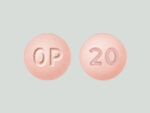
Two tablets can contain the exact same antibiotic and still behave very differently once you swallow them. That is the story of clarithromycin XL (extended-release) and standard immediate-release clarithromycin. Both kill bacteria the same way, but they release the drug on different schedules, they are approved for different infections, they come with different food rules, and they are not equally suitable for everyone.
This guide breaks down the practical differences so you can understand why your doctor picked one over the other, what to expect from each, and when a switch might make sense. If you are looking for exact milligram doses by infection or child weight, our separate clarithromycin dosage guide covers that in detail. Here, the focus is on how the two forms compare.
At-a-Glance Comparison
| Feature | Immediate-Release (IR) | Extended-Release (XL / ER / OD / LA) |
|---|---|---|
| How often you take it | Usually every 12 hours | Once a day |
| Strengths | 250 mg and 500 mg tablets; oral suspension for children | 500 mg tablet (some regimens use two tablets at once) |
| Food | With or without food | Must be taken with food |
| Can it be split or crushed? | Tablets may be split on some products; suspension available | No. Swallow whole |
| Age | Children (liquid) and adults | Adults and children 12 and older only |
| Typical uses | Respiratory, throat, skin, ear (kids), H. pylori, MAC | Mainly sinusitis, bronchitis flare-ups, mild to moderate pneumonia |
| Severe kidney disease | Dose can be reduced | Generally not used (dose cannot be lowered below 500 mg) |
| Stomach tolerability | More frequent dosing, more peaks | Some studies report slightly fewer GI and taste complaints |
| Common brand names | Biaxin, Klaricid, Claribid | Biaxin XL, Klaricid XL, Claribid OD, Clarie OD |
The Same Drug, Two Delivery Systems
Both versions contain clarithromycin, a macrolide antibiotic that blocks bacterial protein production by attaching to the 50S ribosomal subunit. The active ingredient is identical. What differs is the tablet engineering around it.
How immediate-release works
An immediate-release tablet breaks apart in the stomach within minutes. The drug is absorbed quickly, blood levels peak roughly two to three hours after a dose, and then they fall as the body clears the medicine. Because clarithromycin’s half-life is only a few hours at standard doses, you need a second dose about 12 hours later to keep levels high enough to keep pressure on the bacteria.
Think of it as a series of waves: a rise after each dose, then a dip before the next.
How extended-release works
An XL tablet is built with a polymer matrix that swells and slowly lets the drug seep out as it travels through the gut. Instead of a sharp peak, blood levels climb more gradually, peak later (often around five to eight hours after the dose), and stay steadier for longer. That smoother curve is what makes once-daily dosing possible.
Think of this one as a gentle hill instead of two waves.
Does the total amount matter?
Studies submitted for approval showed that when you add up total drug exposure over 24 hours (the “area under the curve”), one daily dose of the XL form at 1,000 mg delivers broadly comparable exposure to 500 mg of IR twice a day. The peaks are lower with XL, and the troughs are a bit higher. For most respiratory infections it is approved for, that pattern works just as well clinically.
The same concept appears with many other medicines. If you have read our comparisons of Adderall IR vs XR or Ambien vs Ambien CR, the logic is similar: same molecule, different release speed, different practical trade-offs.
What Each Form Is Approved to Treat
This is the difference people most often miss. The XL form is not approved for everything the IR form treats. Approval depends on what was studied.
Immediate-release clarithromycin is commonly used for
- Strep throat and tonsillitis (often in people allergic to penicillin)
- Acute sinus infections
- Flare-ups of chronic bronchitis
- Community-acquired pneumonia
- Uncomplicated skin and soft tissue infections
- Middle ear infections in children (liquid form)
- Helicobacter pylori combination regimens for stomach ulcers
- Prevention and treatment of Mycobacterium avium complex (MAC)
Extended-release clarithromycin is typically approved for
- Acute maxillary sinusitis in adults
- Acute bacterial exacerbation of chronic bronchitis in adults
- Mild to moderate community-acquired pneumonia in adults
Product labeling in some countries also lists throat and skin infections for XL forms, so local labels vary. However, for H. pylori and MAC, regimens and guideline evidence are built around the immediate-release form taken twice daily. If you have been prescribed an H. pylori regimen, our guide to clarithromycin for H. pylori explains why guidance has shifted in recent years.
For a broader look at chest infections, see our patient guide to clarithromycin for pneumonia and bronchitis.
Food Rules: The Detail That Changes Absorption
This is the single most important practical difference.
- IR tablets can be taken with or without food. Taking them with a meal may ease nausea.
- XL tablets should always be taken with food. The extended-release design depends on a fed stomach for proper absorption. Taking XL on an empty stomach can noticeably reduce how much drug enters your bloodstream, which may weaken treatment.
A simple routine works well: take your XL tablet with breakfast or dinner at the same time every day. If you are someone who often skips breakfast, link the dose to your largest regular meal instead.
Swallowing, Splitting, and Crushing
XL tablets must be swallowed whole. Breaking, chewing, or crushing them destroys the slow-release matrix and can dump the full dose at once. That raises the risk of side effects and leaves you without coverage later in the day.
If you struggle with large tablets, tell your doctor or pharmacist. Immediate-release tablets or the liquid suspension may be easier options, depending on the infection.
Side Effects: Are They Different?
Because the drug is the same, the list of possible side effects is the same. What can differ is how often some of them happen.
Shared side effects
- Metallic or bitter taste (very common with clarithromycin)
- Nausea, stomach pain, and indigestion
- Diarrhea
- Headache
- Trouble sleeping or vivid dreams
- Changes in liver enzymes
Where XL may have an edge
In some clinical trials, people taking the extended-release form reported somewhat fewer stomach complaints and taste disturbances and were slightly less likely to stop treatment early because of side effects. The likely reason is that lower, smoother peaks are gentler on the gut. Individual experiences vary, and the difference is modest, not dramatic.
Serious effects that apply to both
- QT prolongation and heart rhythm changes. Both forms carry this warning. If you have heart disease, low potassium or magnesium, or take other QT-prolonging drugs, read our article on clarithromycin heart risks.
- C. difficile diarrhea. Any antibiotic can trigger it.
- Liver injury. Rare, but reported with both forms.
- Allergic reactions. From mild rashes to rare, severe skin reactions. See our guide to clarithromycin allergy symptoms.
For a detailed breakdown, including tips for managing the metallic taste, see clarithromycin side effects.
Drug Interactions: No Escape With Either Form
Some people assume a once-daily or slower-release version will interact less with other medicines. That is not the case. Clarithromycin is a strong inhibitor of the CYP3A4 enzyme and the P-glycoprotein transporter in both forms. The same combinations remain risky:
- Simvastatin and lovastatin (contraindicated)
- Colchicine, especially with kidney or liver problems (see clarithromycin and colchicine)
- Ergotamine-type migraine drugs
- Pimozide and certain other QT-prolonging drugs
- Some blood thinners, calcium channel blockers, and sedatives
Our full guide to clarithromycin drug interactions explains each group and what your pharmacist may suggest.
Kidney and Liver Considerations
Here the two forms really diverge.
Kidney disease
Clarithromycin is partly cleared by the kidneys. In people with severe kidney impairment (generally a creatinine clearance below 30 mL/min), the dose needs to be cut roughly in half. With immediate-release tablets, that is easy: a doctor can prescribe 250 mg once or twice a day. With XL, the smallest unit is a 500 mg tablet that cannot be split, so the dose cannot be reduced enough. For that reason, extended-release clarithromycin is generally avoided in severe kidney disease, and IR is used instead.
Some labels also advise caution or a lower maximum dose with moderate kidney impairment, particularly when clarithromycin is combined with certain HIV medicines.
Liver disease
Clarithromycin is mainly processed by the liver. Neither form is a good choice in severe liver failure combined with kidney impairment. In people with mild to moderate liver issues, doctors may use IR for greater dosing flexibility and monitor liver tests.
Children and Teens
Extended-release clarithromycin is not studied or approved for children under 12. Younger children receive the oral suspension, dosed by weight every 12 hours. Teens 12 and older may be prescribed either form, depending on the infection. For more, see our guide to clarithromycin for kids.
Real-World Scenarios: Which Form Fits?
Scenario 1: A busy adult with a sinus infection
Once-daily XL with dinner may be easier to stick with than two doses a day. Missed doses are a common reason antibiotics underperform, so convenience can genuinely matter.
Scenario 2: An older adult with reduced kidney function
Immediate-release is usually the safer choice because the dose can be lowered. XL may lead to higher-than-intended drug levels.
Scenario 3: Someone being treated for H. pylori
Regimens are designed around IR clarithromycin twice daily alongside other drugs. Swapping in XL is not standard practice.
Scenario 4: A person who gets bad nausea from antibiotics
XL taken with a meal may be gentler, though the difference is modest. Discuss options with your prescriber, including whether a different antibiotic altogether might suit you better.
Scenario 5: A 9-year-old with an ear infection
XL is not an option at this age. The liquid IR suspension is used, dosed by weight.
Scenario 6: Someone who cannot swallow large tablets
XL must be swallowed whole, so IR tablets or the liquid form are more practical.
Can You Switch From IR to XL (or Back)?
Only with your prescriber’s guidance. The total daily dose and timing differ, and XL is not approved for every infection that IR treats. If you find twice-daily doses hard to manage, or if XL is upsetting your stomach even with food, ask whether a switch is reasonable for your specific infection.
Never double up or combine your own tablets to “convert” between forms. For example, taking two IR tablets once a day does not create an extended-release effect; it creates a higher peak and a longer gap without coverage.
Missed Dose Differences
The general approach is similar, but timing windows differ:
- IR (every 12 hours): If you remember within a few hours, take the missed dose. If it is close to your next dose, skip the missed one and continue as normal.
- XL (once daily): If you remember the same day, take it with food. If it is already the next day, skip it and take your regular dose. Do not take two XL doses together.
Our dosage guide includes a missed-dose decision chart. The same principles appear in our article on what to do after a missed dose of amoxicillin.
Cost and Availability
Generic immediate-release clarithromycin is widely available and usually inexpensive. Generic extended-release tablets also exist but may cost more per course and are not stocked as consistently in every pharmacy. In many countries, the original brand names are less common than generics. If cost matters, ask your pharmacist to compare the full-course price of both forms, since an XL course may involve fewer tablets but a higher per-tablet cost.
Storage Tips
- Store both tablet forms at room temperature, away from moisture and heat.
- Keep XL tablets in their original packaging until use; moisture can affect the release coating.
- The IR liquid suspension should not be refrigerated. Chilling makes it gel-like and hard to measure. Discard any leftover after the period listed on the label, usually 14 days.
Practical Tips for Taking Either Form
- Set a phone reminder that matches your dosing schedule.
- For XL, pair the dose with a consistent meal.
- Finish the full course even if you feel better.
- Avoid grapefruit juice in large amounts, which can also affect CYP3A4.
- Keep an updated list of every medicine and supplement you take.
- Seek urgent care for fainting, a racing or irregular heartbeat, severe rash, or bloody diarrhea.
- If you want to know whether alcohol is a problem, our guide on clarithromycin and alcohol explains the details.
Quick Decision Summary
| Your situation | Form more likely to be used |
|---|---|
| Adult with sinusitis, bronchitis flare, or mild pneumonia | Either; XL often chosen for convenience |
| Severe kidney impairment | IR |
| Child under 12 | IR suspension |
| H. pylori regimen | IR |
| MAC prevention or treatment | IR |
| Trouble swallowing tablets | IR tablets or suspension |
| Trouble remembering twice-daily doses | XL, if approved for the infection |
| Significant nausea on IR | Discuss XL with food, or another antibiotic |
Why an Extended-Release Version Was Developed
When clarithromycin first reached the market in the early 1990s, it was a twice-daily tablet. Two concerns quickly emerged. First, people often missed the evening dose, especially once they started feeling better. Second, a meaningful share of patients found the stomach side effects and metallic taste hard to tolerate. Drug developers reasoned that a once-daily tablet with a gentler release curve could address both problems at once.
The extended-release form was studied mainly in adult respiratory infections, which is why its approved uses are narrower. It was never designed to replace the immediate-release form across the board, and the liquid suspension remains essential for children.
Pharmacokinetic Snapshot
“Pharmacokinetics” simply describes how a drug moves through the body. Here is a simplified side-by-side view based on prescribing information. Exact figures vary between studies and products.
| Measure | IR 500 mg every 12 hours | XL 1,000 mg once daily |
|---|---|---|
| Time to peak level | About 2 to 3 hours | About 5 to 8 hours |
| Peak level | Higher | Lower |
| Lowest level before next dose | Lower | Somewhat higher |
| Total 24-hour exposure | Broadly comparable | Broadly comparable |
| Effect of food | Minimal | Food needed for proper absorption |
| Active metabolite (14-hydroxy clarithromycin) | Formed with both | Formed with both |
The active metabolite matters because it adds activity against Haemophilus influenzae, a common cause of sinus and bronchitis flare-ups. Both forms produce it, so this is not a reason to choose one over the other.
Common Mistakes With Each Form
With immediate-release
- Spacing doses unevenly, such as 8 a.m. and 2 p.m., which leaves a long overnight gap.
- Stopping after three or four days because symptoms improved.
- Confusing 250 mg and 500 mg tablets when refilling.
- Refrigerating the liquid suspension, which makes it thick and hard to measure.
With extended-release
- Taking it first thing in the morning on an empty stomach.
- Splitting the tablet to make it easier to swallow.
- Taking two tablets at different times of day instead of together when the prescription calls for 1,000 mg once daily.
- Assuming it is safe with severe kidney disease because “it’s once a day.”
Questions to Ask Your Pharmacist
- Is my tablet immediate-release or extended-release?
- Should I take it with food, and does it matter which meal?
- How many tablets do I take at once, and how many times a day?
- Do any of my current medicines interact with it?
- Is this form appropriate for my kidney function?
- What should I do if I miss a dose?
- Is there a cheaper equivalent if cost is an issue?
If clarithromycin does not suit you at all, it can help to understand how it stacks up against a different family of antibiotics. Our comparison of clarithromycin vs amoxicillin covers when each is preferred.
Which Form Is Better for Older Adults?
Older adults are more likely to have reduced kidney function, take several medicines, and be sensitive to heart rhythm effects. For these reasons, many clinicians lean toward immediate-release clarithromycin in older patients, where the dose can be tailored precisely, or choose a different antibiotic altogether when interactions are a concern. A once-daily XL tablet can still be a good option for an older adult with normal kidney function who struggles to remember twice-daily doses. A weekly pill organizer and a pharmacist medication review are worthwhile in either case.
Key Takeaways
- XL and IR contain the same antibiotic but release it at different speeds.
- XL is taken once daily with food and swallowed whole; IR is typically taken every 12 hours with or without food.
- XL is approved for a narrower set of adult respiratory infections.
- IR is preferred for children, severe kidney disease, H. pylori, and MAC.
- Side effects and drug interactions are largely shared, though XL may be slightly easier on the stomach.
- Do not switch forms or adjust doses without your prescriber.
Frequently Asked Questions
Is clarithromycin XL stronger than regular clarithromycin?
No. It is the same drug. A typical XL regimen delivers a similar total daily exposure to a typical IR regimen; it just spreads the release out differently.
What happens if I take clarithromycin XL on an empty stomach?
Less of the drug may be absorbed. If it happens once, simply take the next dose with food. If it happens regularly, talk to your pharmacist about a routine that works for you.
Can I cut clarithromycin XL in half?
No. Splitting destroys the extended-release design. If you need a lower dose, your doctor will typically switch you to immediate-release tablets.
Why did my doctor give me 500 mg XL instead of 1,000 mg?
Labeling differs by country. Some regions use 500 mg once daily as the standard XL dose, increasing to 1,000 mg for more severe infections. Follow the instructions on your own prescription.
Does XL work faster or slower?
XL reaches its peak later than IR, but for most infections the overall time to symptom improvement is similar. Our article on how long clarithromycin takes to work explains typical timelines.
Can XL be used for H. pylori?
Standard H. pylori regimens use immediate-release clarithromycin twice daily. Using XL instead is not routine practice.
Is there an XL version for children?
No. XL tablets are approved only for people 12 and older. Younger children use the liquid suspension.
This article is for general information only and is not a substitute for medical advice. Always follow your prescriber’s instructions and the label on your medicine.