Checked against current FDA prescribing information. Revised October 2026. This guide explains; it does not prescribe. Decisions about sleep medicine belong with your clinician.
Before comparing Ambien vs Ambien CR, think back to your last bad night. Picture the clock. Were you lying there at midnight, then 12:40, then 1:15, waiting for sleep that would not come? Or did you drift off fine, only to snap awake at 3 a.m. with your mind running and no way back down?
Your answer is the most useful piece of information in this whole article. Ambien and Ambien CR contain exactly the same drug, zolpidem. The difference between them is how that drug is released into your body over the night, and that timing is built around two different sleep problems. One is designed mainly for getting to sleep. The other is designed for getting to sleep and staying there.
So instead of a point-by-point face-off, this guide works like a matchmaker. Find your sleep problem, see which release system was built for it, and understand the trade-offs that come with each, especially the next-morning effects. At the end, a decision table pulls it all together.
Same Drug, Two Release Systems
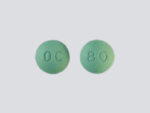
Regular Ambien is an immediate-release (IR) tablet. You swallow it, it dissolves, and most of the zolpidem reaches your bloodstream within an hour or two. Then your body clears it fairly quickly. The Ambien prescribing information lists a single FDA-approved use: short-term treatment of insomnia marked by difficulty falling asleep. In controlled studies, it shortened the time it took to fall asleep for up to 35 days.
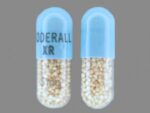
Ambien CR is a controlled-release, or extended-release, tablet. It has two layers. One layer dissolves right away and acts much like regular Ambien. The second layer releases zolpidem more slowly, so blood levels stay up for longer, beyond three hours after the dose according to the Ambien CR prescribing information. Because of that design, Ambien CR is approved for short-term treatment of insomnia with trouble falling asleep, trouble staying asleep, or both.
Here is the part people find surprising: the elimination half-life is almost the same. The drug is not lingering longer in your body because it is somehow a different molecule. It is lingering because the tablet keeps feeding it in for a while. That slow-release layer is also why you must never split, crush or chew an Ambien CR tablet. Breaking it can release the whole dose at once.
What both share
- Both are Schedule IV controlled substances.
- Both carry the FDA boxed warning, added in 2019, about complex sleep behaviors such as sleepwalking and sleep-driving.
- Both are meant for short-term use, taken right before bed with 7 to 8 hours left to sleep.
- Both have lower recommended starting doses for women, following FDA changes in 2013.
- Both share the same side effect profile. Our guide to Ambien side effects covers that list in detail.
Ambien vs Ambien CR: The Spec Sheet
The figures below come from the FDA labels. Tmax means the time it takes to reach peak blood level after a dose on an empty stomach.
| Feature | Ambien (immediate-release) | Ambien CR (extended-release) |
|---|---|---|
| Active drug | Zolpidem tartrate | Zolpidem tartrate |
| Tablet design | Single layer, releases at once | Two layers: fast release plus slow release |
| Strengths | 5 mg, 10 mg | 6.25 mg, 12.5 mg |
| FDA-approved use | Short-term insomnia with trouble falling asleep | Short-term insomnia with trouble falling asleep and/or staying asleep |
| Starting dose, women | 5 mg | 6.25 mg |
| Starting dose, men | 5 mg or 10 mg | 6.25 mg or 12.5 mg |
| Maximum dose | 10 mg once nightly | 12.5 mg once nightly |
| Adults 65+ and mild-to-moderate liver impairment | 5 mg | 6.25 mg |
| Time to peak level (Tmax) | About 1.6 hours | About 1.5 hours (12.5 mg) |
| Half-life | About 2.5–2.6 hours | About 2.8 hours |
| How long levels stay elevated | Peaks, then falls fairly quickly | Levels held up beyond 3 hours by the slow layer |
| Can it be split or crushed? | Tablets are not scored; ask your pharmacist | No. Swallow whole; do not divide, crush or chew |
| Generic available? | Yes (zolpidem) | Yes (zolpidem ER) |
| DEA schedule | Schedule IV | Schedule IV |
| Next-day driving advice | Avoid driving if less than 7–8 hours of sleep or higher dose | FDA: do not drive or do tasks needing full alertness the day after |
Food matters for both. Taking either tablet with or right after a meal slows absorption. For Ambien CR, the label says the median time to peak roughly doubled with food, from about 2 hours to 4. That can mean you fall asleep later and feel the drug later into the morning. Most labels advise against taking zolpidem with or right after a meal.
The sex-based doses in the table have a story of their own. Our explainer on Ambien dosage for men vs women covers the blood-level data behind the 2013 change.
If You Can’t Fall Asleep: The Sleep-Onset Profile
Let’s call her Profile A. She gets into bed at 11 and is still awake at 12:30. Once she finally drops off, she generally sleeps through until morning. Her problem is the starting line, not the long stretch after it.
That pattern is called sleep-onset insomnia, and it is exactly what immediate-release Ambien was approved to treat. A fast peak gets her over the hump. A relatively quick decline means less drug left over when her alarm goes off. For this person, the extra slow-release layer of Ambien CR adds drug exposure in the second half of the night that she does not need.
Signs you might fit Profile A
- It routinely takes you more than half an hour to fall asleep.
- Racing thoughts or worry hit hardest right as you turn off the light.
- Once asleep, you rarely wake for long.
- Your sleep schedule is fairly fixed, so you reliably have 7 to 8 hours in bed.
How well does zolpidem help with onset? Modestly. The American Academy of Sleep Medicine’s 2017 guideline summary reports that in the trials it reviewed, mostly at 10 mg, zolpidem cut the time to fall asleep by about 5 to 12 minutes compared with placebo, with a moderate improvement in how well people felt they slept. The guideline gave zolpidem only a weak recommendation, based on very low-quality evidence. A sleeping pill is not a switch that turns sleep on.
If You Wake Up and Can’t Get Back: The Sleep-Maintenance Profile
Profile B falls asleep easily. The trouble starts around 2 or 3 a.m., when he wakes and stays awake for an hour or more. Some nights he never really gets back under. By morning he feels like he slept half the night.
This is sleep-maintenance insomnia, and it is the problem the second layer of Ambien CR was designed for. By holding zolpidem levels up for longer, the tablet aims to cover the middle hours, when many people with this pattern wake up. The FDA label for Ambien CR includes trouble staying asleep in its approved use. In the label’s trials, it was studied for up to 3 weeks in sleep lab recordings and up to 24 weeks using patients’ own reports.
The AASM summary, which pooled zolpidem trials, found about 29 more minutes of total sleep and about 25 fewer minutes awake after first falling asleep, compared with placebo. Again, helpful for some people, but not dramatic.
Signs you might fit Profile B
- You fall asleep within 20 or 30 minutes but wake in the night for long stretches.
- Once awake at night, getting back to sleep takes a long time.
- You can still reliably stay in bed for a full 7 to 8 hours.
A warning sign worth checking first
Frequent waking can be a symptom rather than the disease. Sleep apnea, an enlarged prostate that sends you to the bathroom, chronic pain, depression, alcohol close to bedtime and restless legs can all break up sleep. The American College of Physicians recommends checking for causes like these before continuing a sleep medicine. A sedative can mask sleep apnea and, by depressing breathing, potentially make it worse.
The Next-Morning Factor in Ambien vs Ambien CR
Every advantage Ambien CR has in the middle of the night comes with a cost in the morning. More drug at 3 a.m. often means more drug at 7 a.m. That trade-off is the single most important thing to understand when weighing Ambien vs Ambien CR.
In January 2013, the FDA reported data on how many people still had blood levels of 50 ng/mL or higher, a level linked to impaired driving, about eight hours after a dose. With immediate-release Ambien 10 mg, it was about 15% of women and 3% of men. With Ambien CR 12.5 mg, it was about 33% of women and 25% of men. Even the lower 6.25 mg extended-release dose left about 15% of women and 5% of men above that level.
Those numbers led to a firm instruction. In its May 2013 safety communication, the FDA said people taking Ambien CR, at either 6.25 mg or 12.5 mg, should not drive or do other activities that need complete mental alertness the day after taking it. That warning now sits in the label and the patient Medication Guide.
The Ambien CR label also reports that in a 3-week adult trial, next-day drowsiness was reported by 15% of people on 12.5 mg compared with 2% on placebo. And the FDA has stressed that impairment can happen even when people do not feel sleepy.
Ask yourself honestly: do you drive to work, care for small children early, or operate equipment? If yes, the FDA’s advice on Ambien CR means it may simply not fit your mornings, regardless of how well it covers your nights.
Things that pile onto next-day risk with either tablet
- Less than 7 to 8 hours between the dose and waking up.
- Taking more than prescribed, or a second dose in the same night.
- Alcohol, opioids, benzodiazepines or other sedating medicines. Our article on Ambien and alcohol explains why that combination is especially risky.
- Drugs that raise zolpidem levels, such as ketoconazole.
- Being 65 or older, or having liver disease.
Other Zolpidem Forms You May Hear About
Ambien and Ambien CR are the best-known, but zolpidem also comes in a few other delivery forms. Each targets a slightly different need.
| Product | Form | Strengths | Intended use | Availability notes (as of 2026) |
|---|---|---|---|---|
| Edluar | Tablet that dissolves under the tongue | 5 mg, 10 mg | Trouble falling asleep, at bedtime | FDA-approved; may be hard to find at some pharmacies and usually costs more than generic tablets |
| Zolpimist | Oral spray (5 mg per spray) | 5 mg, 10 mg doses | Trouble falling asleep, at bedtime | FDA-approved; ask your pharmacist about current supply |
| Intermezzo and generics | Low-dose tablet under the tongue | 1.75 mg (women), 3.5 mg (men) | Waking in the middle of the night, with at least 4 hours left in bed | Brand name discontinued in the US; generic low-dose sublingual zolpidem has been approved |
Intermezzo is interesting for Profile B. Instead of taking a long-acting tablet at bedtime, just in case you wake up, you take a small dose only on the nights you actually wake and cannot fall back asleep. The catch is strict: you need at least four hours left in bed. It is not for a 5:30 a.m. wake-up before a 7 a.m. alarm.
Product lineups change. Brand versions get discontinued, generics come and go, and shortages happen. Your pharmacist can tell you what is actually stocked near you.
Cost and Insurance
Both drugs are available as generics, and that has largely leveled the cost side of the Ambien vs Ambien CR question. Generic immediate-release zolpidem is one of the cheaper prescription medicines in the US and sits on the lowest tier of most insurance formularies. Generic extended-release zolpidem typically costs more than the immediate-release form but far less than the brand.
A few practical points:
- Brand-name Ambien and Ambien CR usually cost much more, and many plans cover them only if there is a medical reason the generic will not work.
- Step therapy is common. Some insurers want you to try generic immediate-release zolpidem before approving the extended-release form or specialty versions such as the sublingual tablet.
- Quantity limits are frequent, often matching one dose per night, because these are controlled substances meant for short-term use.
- Discount cards can sometimes beat your copay for generics. Ask the pharmacist to compare.
- Buy only from licensed pharmacies. Online sellers offering zolpidem without a prescription are illegal and may sell counterfeit pills.
Switching Between Ambien and Ambien CR
People switch for all kinds of reasons. The IR tablet wears off before dawn. The CR tablet leaves them foggy at work. An insurer changes its formulary. Whatever the reason, the switch should be planned with your prescriber.
Why not just swap on your own? Because the doses do not line up one to one. A 10 mg IR tablet and a 12.5 mg CR tablet are not interchangeable, and the release patterns produce different blood levels at different times of night. Your prescriber will pick a starting strength for the new product based on your sex, age, liver health, other medicines and how you responded before. They may also use a switch as a chance to ask whether you need nightly medicine at all.
What to report back after a switch
- How long it took to fall asleep and whether you woke during the night.
- How alert you felt one hour and three hours after waking.
- Any memory gaps, unusual behavior, sleepwalking or eating at night. These should be reported right away; the FDA boxed warning says to stop and contact your prescriber.
- Any new mood changes, such as worsening depression or anxiety.
If you have been on either form nightly for a while, stopping abruptly can trigger a night or two of rebound insomnia and sometimes withdrawal symptoms. Our guide to Ambien withdrawal and rebound insomnia explains what that looks like and why a prescriber-led plan matters.
When Neither Is the Right Answer
Here is the part of the matchmaking that many people skip. For chronic insomnia, meaning trouble sleeping at least three nights a week for three months or more, the first recommended treatment is not a pill.
In 2016, the American College of Physicians recommended cognitive behavioral therapy for insomnia (CBT-I) as the first-line treatment for adults with chronic insomnia. Only if CBT-I alone does not work should doctors and patients decide together whether to add medicine, weighing benefits, harms and costs. The ACP also noted that FDA-approved sleep drugs are meant for short-term use, around four to five weeks.
CBT-I is a structured program, usually four to eight sessions, that targets the habits and thoughts that keep insomnia going. It typically includes:
- Stimulus control: using the bed only for sleep and getting up when you cannot sleep.
- Sleep restriction: temporarily limiting time in bed to build stronger sleep drive.
- Cognitive work: addressing worry and unhelpful beliefs about sleep.
- Sleep hygiene education: caffeine, alcohol, light and routine.
It can be delivered in person, in groups, by phone, online or through self-help books. Unlike a sleeping pill, its effects tend to last after treatment ends.
Other medicines your prescriber might consider
Zolpidem is not the only option. Eszopiclone (Lunesta) is a related drug with a longer half-life. Temazepam (Restoril) is a benzodiazepine sometimes used for sleep. Each has its own balance of benefits and risks. If your prescriber raises alternatives, our comparisons can help you prepare: Ambien vs Restoril, Restoril vs Lunesta and Lunesta vs Restoril.
When a sleep pill may be the wrong tool entirely
- You snore loudly, gasp at night or feel exhausted despite long hours in bed. Ask about a sleep apnea test.
- You have had a complex sleep behavior on any zolpidem, eszopiclone or zaleplon product. The FDA says these drugs should not be prescribed to you again.
- You drink most nights or have a history of substance use disorder.
- You are pregnant, breastfeeding or planning pregnancy. Discuss options carefully with your clinician.
- Your sleeplessness came with low mood, hopelessness or thoughts of self-harm. Treating the underlying condition matters more than the sleep aid. If you are in crisis, call or text 988.
Which One Fits? A Decision Table
Use this as a conversation starter about Ambien vs Ambien CR with your prescriber, not as a prescription. Find the row that sounds most like you.
| If this sounds like you… | The option often discussed | Why | Watch out for |
|---|---|---|---|
| I can’t fall asleep, but stay asleep once I do | Immediate-release Ambien (zolpidem) | Approved for sleep onset; fast peak, quicker decline | Still needs 7–8 hours in bed; no alcohol |
| I fall asleep fine but wake for hours most nights | Ambien CR (zolpidem ER) | Approved for onset and maintenance; slow layer covers middle of night | FDA says do not drive the next day |
| I wake up only some nights and can’t get back to sleep | Low-dose sublingual zolpidem (formerly Intermezzo) | Taken only when you wake, at a small dose | Needs at least 4 hours left in bed |
| I have trouble swallowing pills | Edluar or oral spray, if available | Same drug, different delivery | Cost and pharmacy availability |
| I have to drive early or be sharp first thing | Lowest effective IR dose, or a non-drug approach | Less morning drug on board | Next-day impairment can occur even without feeling drowsy |
| My insomnia has lasted months | CBT-I first, medicine only if needed | ACP first-line recommendation; benefits last | Takes a few weeks of effort |
| I’m 65 or older | Lowest dose of any form, or alternatives | Higher risk of falls and confusion | Labels set lower doses for this age group |
| I snore, gasp or wake unrefreshed | Sleep evaluation before any sleep pill | Sleep apnea may be the real cause | Sedatives can worsen breathing problems |
| I’ve sleepwalked, sleep-driven or eaten in my sleep on a sleep drug | Neither | FDA boxed warning and contraindication | Tell every prescriber about the episode |
One last thought to carry into the appointment: the best match is not the tablet that knocks you out hardest. It is the approach that gets you the sleep you need while leaving your mornings, your memory and your safety intact.
Sources and further reading
- Ambien (zolpidem tartrate) prescribing information, FDA
- Ambien CR (zolpidem tartrate extended-release) prescribing information, FDA Label database
- FDA: New label changes and dosing for zolpidem products, and Ambien CR driving recommendation (May 2013)
- AASM: Pharmacologic Treatment of Chronic Insomnia guideline at a glance
- American College of Physicians: CBT as initial treatment for chronic insomnia (2016)