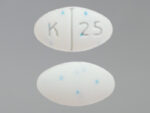
When people compare Restoril vs Lunesta, they are looking at two prescription sleep medicines that work in different ways. Restoril (temazepam) is a benzodiazepine, while Lunesta (eszopiclone) is a nonbenzodiazepine “Z-drug.” Both are Schedule IV controlled substances that slow the central nervous system, and both carry serious safety warnings. They differ in drug class, how long they stay active, and the specific risks they carry. This guide explains those differences in plain language.
Note– This article is for education only and is not medical advice. Talk to a doctor or pharmacist about your own treatment.
Restoril vs. Lunesta at a Glance
| Feature | Restoril | Lunesta |
| Generic name | Temazepam | Eszopiclone |
| Drug class | Benzodiazepine | Nonbenzodiazepine sedative-hypnotic (Z-drug) |
| Main use | Short-term treatment of insomnia | Insomnia (trouble falling or staying asleep) |
| How it works | Boosts GABA activity in the brain | Acts on GABA-A receptors, but is chemically different from benzodiazepines |
| U.S. schedule | Schedule IV | Schedule IV |
| Form | Capsule | Tablet |
| Key boxed warnings | Risks with opioids; abuse, misuse, and addiction; dependence and withdrawal | Complex sleep behaviors (such as sleepwalking or sleep driving) |
What Is Restoril (Temazepam)?
Restoril is the brand name for temazepam, a prescription medicine for insomnia. It belongs to the benzodiazepine family, a group of drugs that also includes some anti-anxiety medicines.
How Restoril Works
Restoril increases the activity of GABA, a brain chemical that calms nerve signals. This slows down the nervous system, which helps a person fall asleep and stay asleep. The same calming effect is why it can cause drowsiness the next day and affect coordination and memory.
What Restoril Is Prescribed For
Restoril is prescribed for the short-term treatment of insomnia. Benzodiazepines are generally not meant for long-term nightly use, because the risk of dependence grows with time. Your prescriber decides the right length of treatment for you.
What Is Lunesta (Eszopiclone)?
Lunesta is the brand name for eszopiclone. It is often grouped with other “Z-drugs,” such as zolpidem (Ambien), which were developed as alternatives to benzodiazepines for sleep.
How Lunesta Works
Lunesta also acts on GABA-A receptors in the brain, which is why its effects feel similar in some ways. Chemically, though, it is not a benzodiazepine. Its action is thought to be more focused on sleep, but it still depresses the central nervous system and carries real risks.
What Lunesta Is Prescribed For
Lunesta is prescribed for insomnia, including trouble falling asleep and trouble staying asleep. It is meant to be taken only when you can stay in bed for a full night’s sleep. Taking it and then waking early or staying up can increase the risk of impairment and unusual behavior.
Key Differences Between Restoril and Lunesta
Drug Class
This is the most important distinction. Is Lunesta a benzodiazepine? No. Lunesta is a nonbenzodiazepine sedative-hypnotic. Restoril is a benzodiazepine. The two work on related brain pathways, but they are different types of medicine, with different warnings and different patterns of risk.
How Quickly and How Long They Work
The drugs differ in how fast they start working and how long they stay in the body. In general terms, Lunesta tends to act quickly and has a shorter half-life, which is the time the body takes to clear half of a dose. Restoril is typically slower to take full effect and can stay active longer. A longer-acting drug may cause more next-day drowsiness, but this varies a lot from person to person. Either medicine can leave someone groggy in the morning. Do not drive or do tasks that need alertness until you know how you respond.
Side Effects
Both medicines share common side effects:
- Drowsiness
- Dizziness
- Headache
- Impaired coordination
- Memory problems
Some effects are more characteristic of one drug. Lunesta is well known for causing an unpleasant or metallic taste in some people. Restoril is more closely linked with next-day sedation and the broader effects of benzodiazepines, such as reduced coordination.
Complex Sleep Behaviors and Other Boxed Warnings
A boxed warning is the strongest safety warning the FDA requires on a drug label.
Lunesta carries a boxed warning about complex sleep behaviors. Some people have sleepwalked, driven a car, cooked, or made phone calls while not fully awake, with no memory of it afterward. These events can cause serious injury or death. Anyone who has one should stop the medicine and contact a doctor right away.
Restoril carries the benzodiazepine class warnings. These cover the dangers of combining it with opioids, the risks of abuse, misuse, and addiction, and the possibility of dependence and withdrawal reactions.
Who Should Be Cautious
Both medicines call for extra care in several groups:
- Older adults: Both drugs raise the risk of confusion, falls, and injury, and are generally flagged as higher-risk for this age group.
- People who are pregnant or breastfeeding: Discuss risks with a doctor before taking either.
- People with liver or breathing problems: These conditions can make sedatives more dangerous.
- People with a history of substance use or past sleep behaviors: Tell your prescriber so they can weigh the risks.
Dependence, Addiction, and Withdrawal
Both Restoril and Lunesta are Schedule IV controlled substances. That means they have recognized potential for misuse and dependence, though the risk varies by person and grows with longer use.
Stopping suddenly after regular use can cause rebound insomnia, in which sleep is worse than before treatment. Withdrawal can also bring anxiety, restlessness, and other symptoms. Because of this, any change to your dose or schedule should be guided by a clinician.
Dependence is a medical condition, not a personal failing. If you feel you can’t sleep without the medicine or are using more than prescribed, tell your healthcare provider. In the U.S., SAMHSA’s National Helpline (1-800-662-4357) offers free, confidential support, and 988 is available for anyone in crisis.
Can You Take Restoril and Lunesta Together?
Only if a prescriber specifically tells you to. Taking two sedative-hypnotics together adds up their effects and raises the risk of:
- Heavy sedation and confusion
- Slowed or shallow breathing
- Memory problems
- Complex sleep behaviors and injuries
The danger rises further when alcohol, opioids, or other central nervous system depressants are involved. Tell your doctor and pharmacist about every medicine and supplement you take. If someone is extremely drowsy, cannot be woken, or has slow or difficult breathing, call emergency services immediately.
Which Sleep Medicine Is Right for You?
Only a clinician can answer that. The decision depends on the type of insomnia you have, your age, your medical history, your other medications, and your personal risk factors.
It is also worth knowing that cognitive behavioral therapy for insomnia (CBT-I) is a well-established, first-line treatment that works without medication. Many sleep specialists recommend trying it, alone or alongside short-term medicine.
Useful questions to ask your prescriber:
- Why is this medicine the right choice for me?
- How long should I take it, and how will we stop?
- What side effects and warning signs should I watch for?
- Could it interact with anything else I take?
- Would CBT-I or other non-drug options help?
Frequently Asked Questions
Is Lunesta a benzodiazepine?
No. Lunesta (eszopiclone) is a nonbenzodiazepine sedative-hypnotic, though it acts on some of the same brain receptors as benzodiazepines.
Which is stronger, Restoril or Lunesta?
They can’t be ranked simply. The two drugs differ in class, timing, and risks, and the right choice depends on the person and the type of insomnia.
Can you take Restoril and Lunesta together?
Combining them raises the risk of heavy sedation, slowed breathing, and complex sleep behaviors. Only do so if a prescriber directs it.
Which one is more addictive?
Both are Schedule IV and can cause dependence. Risk depends on dose, duration, personal history, and how the medicine is used.
Which has more next-day drowsiness?
Either can cause it, and impairment varies by person. Don’t drive or do tasks needing alertness until you know how you respond.
Are there non-drug options for insomnia?
Yes. CBT-I is a well-established first-line treatment. Ask your clinician about it.
Conclusion
The core difference is simple: Restoril is a benzodiazepine used for short-term insomnia, while Lunesta is a nonbenzodiazepine Z-drug with its own boxed warning for complex sleep behaviors. Both are controlled substances that can cause dependence, and neither should be started, stopped, combined, or swapped without medical guidance. If you have questions about your prescription, speak with your doctor or pharmacist. In an emergency, call your local emergency number right away.