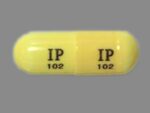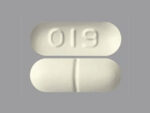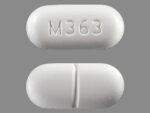
Meridia vs phentermine is a comparison people may come across when researching prescription medications that have been used for weight management. Although both medications have been associated with appetite suppression and weight loss, they are different drugs with different mechanisms, safety considerations, and regulatory histories.
Meridia was the brand name for sibutramine, a medication that was previously approved in the United States for weight management. However, the U.S. Food and Drug Administration (FDA) withdrew its approval in 2010 after evidence showed an increased risk of serious cardiovascular events. Phentermine is a different prescription medication that remains available in the United States for appropriate patients under medical supervision.
Understanding the difference between Meridia and phentermine is particularly important because information about older weight-loss medications can remain online even after their regulatory status has changed.
What Was Meridia?
Meridia was the brand name for sibutramine, a prescription medication that was historically used as part of a weight-management program. It was approved in the United States in the late 1990s for certain patients with obesity. Sibutramine affected chemical messengers involved in appetite and satiety. The intended effect was to help people feel fuller and reduce food intake when the medication was used alongside dietary and lifestyle changes.
However, Meridia is no longer an approved weight-loss treatment in the United States. FDA withdrew its approval after reviewing evidence concerning cardiovascular safety.
What Was Meridia Used For?
Historically, Meridia was prescribed as part of a broader approach to weight management. It was intended for certain patients who met medical criteria for obesity treatment and was generally considered alongside dietary changes, physical activity, and other lifestyle measures.
The medication was not simply a general-purpose weight-loss product. Like other prescription medications, its use involved consideration of a person’s health history and potential risks.
How Did Meridia Work?
Sibutramine worked primarily by affecting the reuptake of certain neurotransmitters, including norepinephrine, serotonin, and dopamine. This could influence appetite and feelings of satiety.
Its mechanism was different from that of phentermine, which is important when examining sibutramine vs phentermine.
Is Meridia Still Available?
Meridia is not currently an FDA-approved weight-loss medication marketed in the United States. The FDA withdrew approval of Meridia in December 2010 after clinical evidence raised concerns about cardiovascular risks, including an increased risk of heart attack and stroke. The agency concluded that the medication’s benefits no longer outweighed its risks.
Therefore, older articles describing Meridia as a currently available U.S. weight-loss medication may be outdated.
What Is Phentermine?
Phentermine is a prescription medication used as an appetite suppressant in the management of obesity and overweight in appropriate patients. It belongs to a different pharmacological category than sibutramine. Unlike Meridia, phentermine remains available as a prescription medication in the United States, although its use is subject to medical and regulatory requirements.
Phentermine is generally considered as one component of a broader weight-management strategy rather than a replacement for healthy eating, physical activity, and long-term lifestyle changes.
How Does Phentermine Work?
Phentermine has sympathomimetic effects and works primarily by reducing appetite. Its activity involves the central nervous system and certain neurotransmitter pathways associated with appetite regulation.
Because it can affect the cardiovascular and nervous systems, medical professionals consider factors such as blood pressure, heart health, other medications, and overall medical history before prescribing it.
What Is Phentermine Used For?
Phentermine may be prescribed for weight management in appropriate patients. Its use depends on individual circumstances, including weight-related health risks and whether the potential benefits are considered appropriate.
Patients should use phentermine only according to the instructions provided by their healthcare professional. Changing the amount taken, combining it with other weight-loss medications, or using it without medical supervision can create unnecessary risks.
Meridia vs. Phentermine: Key Differences
Although both medications have been associated with appetite suppression, they have several major differences.
| Feature | Meridia (Sibutramine) | Phentermine |
| Active ingredient | Sibutramine | Phentermine |
| Medication category | Historical appetite/weight-management medication | Sympathomimetic appetite suppressant |
| Historical use | Weight management | Weight management |
| Current U.S. FDA status | Approval withdrawn | Prescription medication remains available |
| U.S. market status | Withdrawn in 2010 | Available by prescription |
| Main safety concerns | Cardiovascular risks | Cardiovascular and stimulant-related effects |
| Controlled-substance considerations | Historically Schedule IV | Schedule IV controlled substance in the U.S. |
| Current U.S. role | Not an approved treatment option | Used for appropriate patients under medical supervision |
The most important distinction in the Meridia vs phentermine comparison is their current regulatory status. Meridia’s approval was withdrawn because of cardiovascular safety concerns. Phentermine, meanwhile, continues to have a prescription role in weight management. This means the two medications should not be viewed as two equally available alternatives for current weight-loss treatment in the United States.
Meridia vs. Phentermine: How Do They Work?
The medications also differ in how they affect the body.
How Did Sibutramine Work?
Sibutramine affected the reuptake of several neurotransmitters involved in appetite regulation. By influencing these chemical signals, it was intended to increase feelings of fullness and reduce food intake.
However, its effects on cardiovascular parameters contributed to the safety concerns that ultimately led to its withdrawal from the U.S. market.
How Does Phentermine Work?
Phentermine is a sympathomimetic appetite suppressant. Its effects on the central nervous system can reduce appetite and food intake.
Because of its stimulant-like properties, phentermine may cause effects such as increased heart rate, increased blood pressure, nervousness, or difficulty sleeping in some people.
Why Does Mechanism Matter?
Understanding how each medication works helps explain why they have different safety profiles.
Two medications can both be described as appetite suppressants while producing their effects through different biological pathways. Their potential interactions, side effects, and suitability for individual patients can therefore differ considerably.
Meridia vs. Phentermine for Weight Loss
Historically, both medications were associated with prescription weight management, but they should not be compared as though they are both current U.S. treatment choices.
Meridia was used historically to help certain patients manage obesity. However, its U.S. approval was withdrawn because cardiovascular risks were determined to outweigh its benefits. Phentermine continues to be used as a prescription appetite suppressant for appropriate patients. Whether it is suitable depends on factors such as the person’s medical history, cardiovascular health, current medications, and weight-management goals.
The goal of prescription weight management is not simply to choose the medication associated with the greatest amount of weight loss. Healthcare professionals also consider safety, expected benefits, medical conditions, potential interactions, and whether a particular medication is appropriate for the individual.
Side Effects and Safety Differences
Safety is one of the most important areas when considering Meridia vs phentermine.
Meridia and Sibutramine Safety Concerns
Sibutramine was associated with cardiovascular effects, including increases in blood pressure and heart rate. Concerns became more significant following clinical evidence involving cardiovascular outcomes. The FDA determined that Meridia’s benefits no longer outweighed its risks and withdrew its approval in 2010. The important point is that Meridia’s withdrawal was based on safety evidence rather than simply a change in popularity or prescribing preference.
Phentermine Side Effects
Phentermine can also cause side effects. Depending on the individual, these may include:
- Increased heart rate
- Increased blood pressure
- Nervousness
- Restlessness
- Insomnia
- Dry mouth
- Dizziness
Not everyone experiences the same effects, and certain medical conditions may make an appetite suppressant inappropriate.
Why Medical History Matters
Before prescribing a medication for weight management, healthcare professionals may consider cardiovascular health, blood pressure, existing medical conditions, current medications, and potential interactions. This is particularly important for medications that can influence the cardiovascular or central nervous systems.
Why Was Meridia Discontinued?
One of the most common questions related to Meridia is why it disappeared from the market. The FDA requested the withdrawal of Meridia after reviewing data from the SCOUT cardiovascular outcomes study. The evidence indicated an increased risk of serious cardiovascular events, including nonfatal heart attack and nonfatal stroke, among the studied population. The FDA determined that the risks associated with sibutramine outweighed its potential benefits and withdrew approval in December 2010. This history is essential when researching Meridia vs phentermine, because it means Meridia should not be presented as a currently approved U.S. alternative to phentermine.
What Did the Safety Data Show?
The safety concerns centered particularly on cardiovascular outcomes. The SCOUT study evaluated people at high cardiovascular risk and found an increased risk of serious cardiovascular events associated with sibutramine. These findings led regulators to reassess the medication’s overall benefit-risk profile. It is important not to interpret historical study findings as meaning that every person who ever used Meridia experienced the same outcome. The regulatory decision was based on the evidence available to regulators and the overall balance between benefits and risks.
Is Meridia Still Available Today?
Meridia is no longer an FDA-approved weight-loss medication marketed in the United States. Its approval was withdrawn in 2010, and consumers should be cautious about websites or products that claim to sell legitimate Meridia or sibutramine as an approved U.S. weight-loss treatment. Products marketed online as weight-loss supplements can also present additional concerns because some have been found to contain undeclared pharmaceutical ingredients. Anyone interested in current prescription weight-management options should discuss them with a qualified healthcare professional rather than relying on outdated medication information or unverified online products.
Can Meridia and Phentermine Be Taken Together?
Meridia and phentermine should not be combined without explicit medical direction. Meridia is no longer an FDA-approved U.S. treatment option, while phentermine has its own contraindications, interactions, and safety considerations. Combining medications that affect appetite, neurotransmitters, the cardiovascular system, or the central nervous system could potentially create additional risks. Patients should always tell their healthcare professional about all prescription medications, over-the-counter products, supplements, and other substances they use before starting a weight-management medication.
Which One Is Right for Weight Management?
The answer depends on the current treatment options available to an individual and their medical circumstances. Because Meridia is no longer an approved U.S. weight-loss medication, it should not be presented as a current alternative to phentermine. For current weight management, healthcare professionals may consider a range of approved treatment approaches based on factors such as:
- Body mass index and weight-related health risks
- Cardiovascular health
- Blood pressure
- Existing medical conditions
- Current medications
- Potential drug interactions
- Treatment goals
- Lifestyle and dietary factors
The appropriate medication, if one is needed, should be selected through individualized medical assessment.
Frequently Asked Questions About Meridia vs. Phentermine
Is Meridia the same as phentermine?
No. Meridia was the brand name for sibutramine, while phentermine is a different prescription appetite suppressant with different pharmacological characteristics.
What is the difference between Meridia and phentermine?
The medications have different mechanisms and safety profiles. A major current difference is that Meridia’s FDA approval was withdrawn in 2010, while phentermine remains available as a prescription medication in the United States.
Is Meridia still available?
Meridia is no longer an FDA-approved weight-loss medication marketed in the United States. Its approval was withdrawn in December 2010 because of cardiovascular safety concerns.
Why was Meridia discontinued?
The FDA withdrew Meridia’s approval after clinical evidence indicated an increased risk of serious cardiovascular events, including heart attack and stroke.
Is phentermine still available?
Yes. Phentermine remains a prescription medication used for weight management in appropriate patients, subject to applicable medical and regulatory requirements.
Are Meridia and sibutramine the same thing?
Yes. Meridia was the brand name for the medication containing sibutramine.
Is sibutramine still approved in the United States?
No. FDA withdrew approval for Meridia, which contained sibutramine, in 2010 because the medication’s cardiovascular risks outweighed its benefits.
Does phentermine work the same way as Meridia?
No. Sibutramine and phentermine affect the body through different pharmacological pathways, even though both have been associated with appetite suppression.
Which has more cardiovascular risks, Meridia or phentermine?
It is not appropriate to reduce the comparison to a simple ranking. Meridia was specifically withdrawn from the U.S. market because of cardiovascular safety concerns. Phentermine also has cardiovascular precautions and is not appropriate for everyone.
Can you switch from Meridia to phentermine?
Meridia is not a currently approved U.S. weight-loss treatment. Anyone considering prescription weight-management medication should discuss currently approved options with a qualified healthcare professional.
Conclusion
The Meridia vs phentermine comparison involves two different medications with different mechanisms, safety considerations, and regulatory histories.
Meridia, which contained sibutramine, was historically used for weight management but is no longer an FDA-approved treatment in the United States. Its approval was withdrawn in 2010 after evidence demonstrated increased cardiovascular risks.
Phentermine is a different prescription appetite suppressant that remains available for appropriate patients. However, it also has important precautions and potential side effects and should be used under medical supervision.
For anyone researching prescription weight-loss medications, the most important consideration is not simply comparing two drug names. Current treatment choices should be based on approved therapies, individual medical history, potential risks, and guidance from a qualified healthcare professional.