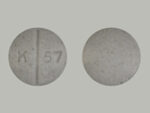
Methadone vs oxycodone is a common comparison for people trying to understand the differences between two opioid medications. Although both medicines belong to the opioid class and may have a role in pain management, they are not the same and have different clinical applications. Methadone also has an FDA-approved role in the treatment of opioid use disorder (OUD), while oxycodone is primarily prescribed for pain management. The medications differ in their pharmacological characteristics, duration of action, potential side effects, safety considerations, and appropriate clinical uses.
Understanding the difference between methadone and oxycodone can help patients and caregivers have more informed discussions with healthcare professionals. Neither medication should be started, stopped, combined, or substituted without appropriate medical guidance.
What Is Methadone?
Methadone is a synthetic opioid medication that has been used in medical care for many years. It can be prescribed for certain types of pain and is also an FDA-approved medication for treating opioid use disorder.
One characteristic that distinguishes methadone from some other opioids is its relatively long and variable duration of action. This can make it useful in structured treatment settings, but it also means that appropriate medical supervision is important.
How Does Methadone Work?
Methadone is a full opioid agonist. It works primarily by interacting with opioid receptors in the central nervous system. This can reduce the perception of pain and, when used in opioid use disorder treatment, help reduce withdrawal symptoms and cravings.
Because methadone has complex pharmacological properties, its effects can vary between individuals. Previous opioid exposure, other medications, medical conditions, and the reason for treatment can all influence how someone responds to it.
What Is Methadone Used For?
Methadone has two important clinical applications. It may be used for certain pain-management situations and is also used as a medication for opioid use disorder.
For OUD treatment, methadone can help stabilize people with opioid dependence by reducing withdrawal symptoms and cravings. In the United States, methadone for OUD is provided through federally regulated opioid treatment programs.
What Is Oxycodone?
Oxycodone is a semi-synthetic opioid prescription medication primarily used to manage certain types of moderate-to-severe pain. It works by activating opioid receptors in the nervous system and changing how the brain and body perceive pain. Oxycodone is available in different formulations, and the characteristics of the medication can therefore vary depending on the specific product.
How Does Oxycodone Work?
Oxycodone binds to opioid receptors involved in pain perception. This reduces the intensity of pain signals reaching the brain and can change a person’s response to pain.
Like other opioid medications, oxycodone can cause drowsiness, constipation, nausea, dizziness, and respiratory depression. It can also lead to physical dependence, misuse, addiction, and overdose.
What Is Oxycodone Used For?
Oxycodone is primarily prescribed for pain when an opioid is considered clinically appropriate. The decision to use it depends on factors such as the severity and nature of the pain, the patient’s medical history, previous treatment, and potential risks associated with opioid therapy. Patients should follow the instructions provided by their healthcare professional and should not change their medication regimen independently.
Methadone vs Oxycodone: Key Differences
Although methadone and oxycodone are both opioids, several important differences separate them.
| Feature | Methadone | Oxycodone |
| Drug category | Opioid | Opioid |
| Type | Synthetic opioid | Semi-synthetic opioid |
| Main clinical roles | Certain pain conditions and OUD treatment | Pain management |
| FDA-approved OUD treatment | Yes | No |
| Duration characteristics | Long-acting characteristics | Depends on formulation |
| Dependence potential | Yes | Yes |
| Overdose risk | Yes | Yes |
| Medical supervision | Important | Important |
One of the most significant differences is their role in opioid use disorder treatment. Methadone is an FDA-approved medication for OUD, while oxycodone is not an FDA-approved treatment for OUD.
Another important distinction is pharmacokinetics. Methadone has long-acting and complex characteristics that require careful consideration by clinicians. Oxycodone’s effects and duration can vary depending on the formulation being used.
The medications also differ in how they are selected for individual patients. A healthcare professional considers the patient’s condition, treatment goals, previous opioid exposure, other medications, and potential safety risks before determining whether an opioid is appropriate.
Methadone vs Oxycodone for Pain
Both methadone and oxycodone can have a role in pain management, but they should not be viewed as interchangeable medications.
When selecting an opioid for pain, healthcare professionals consider the type and severity of pain, whether the pain is acute or persistent, previous opioid exposure, other medications, medical conditions, and the potential benefits and risks of treatment.
The concept of one opioid simply being “stronger” than another can be misleading. Opioid effects depend on several factors, including the medication’s formulation, the individual’s tolerance, previous opioid use, treatment purpose, and pharmacological characteristics.
Methadone’s long-acting properties also require particular attention. Its effects can accumulate in some circumstances, making appropriate prescribing and monitoring especially important.
For many types of pain, healthcare professionals may also consider nonopioid medications and nonpharmacological treatments. The goal is to select an approach that addresses the patient’s condition while minimizing unnecessary risks.
Why Duration of Action Matters
Duration of action is an important consideration when comparing opioids. Methadone has distinctive long-acting characteristics, while oxycodone products can have different durations depending on their formulation.
A medication that remains active for a longer period may require different monitoring than one with a shorter duration. This is one reason patients should not change dosing schedules or switch between opioids without professional guidance.
Methadone vs Oxycodone for Opioid Use Disorder
Methadone and oxycodone have very different roles when opioid use disorder is involved. Methadone is an FDA-approved medication for OUD. Under appropriate medical supervision, it can reduce opioid withdrawal symptoms and cravings and help people maintain stability during treatment.
Oxycodone does not have an FDA-approved indication for opioid use disorder. Instead, it is primarily prescribed as a pain medication. Medication treatment for OUD can be highly individualized. In addition to methadone, other FDA-approved medications include buprenorphine and naltrexone. Treatment decisions should be made with a qualified healthcare professional rather than through self-treatment or medication substitution.
Methadone and Oxycodone Side Effects
Because both medications are opioids, they share several potential side effects and safety risks.
Methadone Side Effects
Potential side effects of methadone can include:
- Drowsiness
- Dizziness
- Nausea
- Constipation
- Sweating
- Respiratory depression
Methadone can also cause physical dependence and carries risks related to misuse and overdose. Its long-acting characteristics make appropriate medical monitoring particularly important.
Oxycodone Side Effects
Oxycodone may cause:
- Drowsiness
- Dizziness
- Constipation
- Nausea
- Vomiting
- Itching
- Respiratory depression
Like other opioids, oxycodone can lead to physical dependence and carries risks of misuse, addiction, and overdose. The likelihood and severity of side effects can vary between individuals. Patients should report concerning or persistent effects to their healthcare professional.
Can Methadone and Oxycodone Be Taken Together?
Methadone and oxycodone should not be combined unless a qualified healthcare professional specifically determines that doing so is appropriate. Using multiple opioids can increase opioid exposure and may increase the risk of excessive sedation and respiratory depression. The risk can become even greater when opioids are combined with alcohol, benzodiazepines, or other central nervous system depressants. Anyone taking prescription opioids should tell their healthcare professional about all prescription medications, over-the-counter products, supplements, and substances they use. Do not add, remove, or substitute an opioid medication without professional advice.
Is Methadone Stronger Than Oxycodone?
There is no simple answer to whether methadone is “stronger” than oxycodone. Opioid effects cannot be accurately compared using a single strength scale. Individual response can depend on opioid tolerance, previous medication exposure, formulation, duration of action, medical condition, and other factors. This is particularly important because opioid conversion is not simply a matter of multiplying or dividing one dose by a fixed number. Converting from one opioid to another requires clinical judgment and consideration of patient-specific factors. For safety reasons, people should never attempt to calculate an equivalent methadone or oxycodone dose on their own.
Methadone vs Oxycodone: Safety Considerations
Both medications require careful use because opioids can cause respiratory depression and overdose. Signs of a potentially life-threatening opioid overdose can include extremely slow or difficult breathing, inability to wake, severe drowsiness, pinpoint pupils, or loss of consciousness. An opioid overdose is a medical emergency. Emergency medical services should be contacted immediately, and naloxone should be administered when it is available and appropriate.
The risk of serious adverse effects may increase when opioids are combined with alcohol, sedatives, or other medications that suppress the central nervous system. People who take opioids regularly should also understand that physical dependence can develop. This means the body may adapt to the medication and withdrawal symptoms can occur if it is suddenly stopped. A healthcare professional can determine whether a gradual reduction is appropriate when discontinuing an opioid.
Which Medication Is Appropriate?
There is no single opioid that is appropriate for every patient or every condition. When considering methadone or oxycodone, a healthcare professional may evaluate the reason for treatment, type and severity of pain, previous opioid exposure, other medications, medical history, potential drug interactions, treatment goals, and individual risk factors.
For someone receiving treatment for opioid use disorder, methadone may have a fundamentally different role than oxycodone. For someone receiving pain treatment, the clinical considerations may be different again. The most important point is that methadone and oxycodone should not be treated as interchangeable medications. Medication selection should be based on an individualized clinical assessment.
Frequently Asked Questions About Methadone vs Oxycodone
Is methadone the same as oxycodone?
No. Methadone and oxycodone are different opioid medications with different chemical structures, pharmacological characteristics, durations of action, and clinical uses.
What is the main difference between methadone and oxycodone?
A major difference is their clinical role. Methadone can be used for certain pain conditions and is also an FDA-approved medication for opioid use disorder. Oxycodone is primarily used for pain management.
Is methadone stronger than oxycodone?
There is no straightforward answer. Opioid effects depend on several individual and medication-related factors, so “stronger” is not an adequate basis for comparing these drugs.
Can methadone and oxycodone both be used for pain?
Yes. Both medications can have a role in pain management in appropriate circumstances. However, they have different pharmacological properties and should not be considered interchangeable.
Is methadone used to treat opioid addiction?
Yes. Methadone is an FDA-approved medication for opioid use disorder. It can help reduce withdrawal symptoms and cravings when used as part of appropriate treatment.
Is oxycodone used to treat opioid use disorder?
No. Oxycodone is primarily a prescription pain medication and is not an FDA-approved medication for treating opioid use disorder.
Are methadone and oxycodone addictive?
Both medications can lead to physical dependence and carry risks of misuse, addiction, and overdose. They should be used only as directed by a qualified healthcare professional.
Can someone switch from oxycodone to methadone?
A healthcare professional may determine that changing medications is appropriate in certain situations. However, opioid switching and conversion require individualized medical assessment and should not be attempted without professional supervision.
Can methadone and oxycodone be taken together?
They should only be taken together if specifically prescribed and monitored by a healthcare professional. Combining opioids can increase the risk of serious adverse effects, including respiratory depression.
Which medication lasts longer?
Methadone has long-acting characteristics. The duration of oxycodone depends partly on the specific formulation. Duration alone does not determine which medication is appropriate.
Conclusion
Methadone vs oxycodone is an important comparison because, although both medications are opioids, they have different clinical roles and pharmacological characteristics. Oxycodone is primarily used for pain management, while methadone can be used for certain pain conditions and has an important role in opioid use disorder treatment. Both medications can cause side effects, physical dependence, respiratory depression, misuse, and overdose. For that reason, they should be used under appropriate medical supervision. Rather than focusing only on which medication is “stronger,” patients should discuss their individual condition, treatment goals, medical history, and potential risks with a qualified healthcare professional.