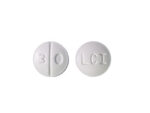
When people compare methadone vs tramadol, they are usually comparing two very different medicines that happen to share the “opioid” label. Methadone is a long-acting, full opioid agonist used for severe pain and for treating opioid use disorder. Tramadol is a weaker opioid that also affects serotonin and norepinephrine, and it is prescribed for moderate to moderately severe pain. This guide explains how each one works, what it is used for, and where the main safety differences lie.
Note:This article is for education only and is not medical advice. Always talk to a doctor or pharmacist about your own treatment.
Methadone vs Tramadol
| Feature | Methadone | Tramadol |
| Drug class | Full opioid agonist | Weaker opioid with serotonin and norepinephrine effects |
| Main uses | Opioid use disorder, severe pain, detoxification | Moderate to moderately severe pain |
| Approved for opioid use disorder? | Yes | No |
| U.S. schedule | Schedule II | Schedule IV |
| Duration of action | Long and variable | Shorter |
| How it’s dispensed | Pharmacy for pain; certified opioid treatment programs for addiction treatment | Standard prescription from a pharmacy |
| Distinctive risks | Heart rhythm changes (QT prolongation), drug build-up | Seizures, serotonin syndrome |
What Is Methadone?
Methadone is a synthetic opioid that has been used for decades in both pain management and addiction treatment.
How Methadone Works
Methadone is a full agonist at the mu-opioid receptor, the main target of opioid pain medicines. It also blocks NMDA receptors, which may add to its pain-relieving effect. Its most important feature is how long it stays in the body. Its half-life is long and varies a lot from person to person, so the drug can build up over days. That is why methadone needs careful medical supervision, especially when treatment starts or the dose changes.
What Methadone Is Prescribed For
Methadone has three main uses:
- Opioid use disorder (OUD): It reduces cravings and withdrawal symptoms. In the U.S., this treatment is delivered through certified opioid treatment programs (OTPs).
- Severe, long-term pain: It is used when other options haven’t worked.
- Detoxification: It can help manage withdrawal during medically supervised care.
What Is Tramadol?
Tramadol is a prescription pain medicine that works in two ways, which sets it apart from most other opioids.
How Tramadol Works
Tramadol is a weaker mu-opioid agonist. It also slows the reuptake of serotonin and norepinephrine, two brain chemicals involved in pain signalling and mood. Part of its opioid effect depends on the body converting it into an active form using an enzyme called CYP2D6. People vary in how well they make this conversion, so the same medicine can work differently from one person to another.
What Tramadol Is Prescribed For
Tramadol is prescribed for moderate to moderately severe pain, such as pain after surgery or injury. It is not approved to treat opioid use disorder, and using it for that purpose without medical direction is not safe.
Key Differences Between Methadone and Tramadol
Strength and Potency
Tramadol is generally a lower-potency opioid. Methadone is a full agonist with variable effects, and its strength in a given person depends on many factors. Because of this, you should never assume that one medicine can be swapped for the other. Any switch must be planned and monitored by a clinician.
How Long Each Medicine Lasts
Tramadol acts for a shorter time. Methadone’s pain-relieving effect may wear off sooner than the drug actually leaves the body. That gap is a major safety concern, because repeated doses can accumulate and cause dangerous sedation or slowed breathing even when pain relief seems to be fading.
Legal Status and How They Are Dispensed
In the U.S., methadone is a Schedule II controlled substance, and tramadol is Schedule IV. Methadone for addiction treatment is tightly regulated and is typically given through an OTP, with structured monitoring. Tramadol is obtained with a standard prescription. Rules differ by country, so check your local regulations.
Side Effects and Safety Risks
Both drugs share common opioid effects:
- Constipation
- Nausea and vomiting
- Drowsiness and dizziness
- Itching
- Slowed or shallow breathing (respiratory depression), which can be life-threatening
Each also has its own distinctive risks:
- Methadone: It can change the heart’s electrical rhythm (QT prolongation) and can build up in the body.
- Tramadol: It can lower the seizure threshold and, especially with other serotonin-affecting medicines, can cause serotonin syndrome.
Can You Take Methadone and Tramadol Together?
Only if a prescriber specifically directs it. Taking both raises the risk of:
- Dangerous sedation and slowed breathing
- Seizures
- Serotonin syndrome, which can cause agitation, fast heartbeat, fever, and muscle stiffness
Tell your doctor and pharmacist about every medicine you take, including antidepressants, anti-anxiety drugs, sleep aids, and alcohol, since many of these interact with opioids. If someone has trouble breathing, cannot be woken, or has pinpoint pupils, call emergency services right away and give naloxone if it is available.
Addiction, Dependence, and Withdrawal
Both medicines can cause physical dependence, and both carry a risk of addiction, especially with misuse or long-term use. Stopping suddenly can trigger withdrawal, so any reduction should be supervised by a healthcare professional. Tramadol can also cause unusual withdrawal symptoms in some people, such as anxiety, panic, or tingling sensations, in addition to typical opioid withdrawal.
Dependence is a medical condition, not a character flaw. If you or someone you know is struggling with opioid use, effective treatment exists. In the U.S., SAMHSA’s National Helpline (1-800-662-4357) is free and confidential, and 988 is available for anyone in crisis.
Which One Is Right for You?
Only a clinician can answer that. The choice depends on your diagnosis, type of pain, medical history, heart health, seizure history, other medications, and personal risk factors. Useful questions to ask your prescriber:
- Why is this medicine the right choice for my situation?
- What side effects and warning signs should I watch for?
- Which of my current medicines or supplements could interact with it?
- How long will I take it, and how will we stop it safely?
- Should I keep naloxone at home?
Frequently Asked Questions
Is tramadol stronger than methadone?
No. Tramadol is generally a weaker opioid. Methadone is a full opioid agonist, and its effects can build up over time, so it requires close supervision.
Can tramadol be used to treat opioid addiction?
Tramadol is not FDA-approved for opioid use disorder. Approved medications include methadone, buprenorphine, and naltrexone, prescribed by a clinician.
Can you take methadone and tramadol together?
Combining them can dangerously increase the risk of slowed breathing, seizures, and serotonin syndrome. Only take both if a prescriber directs it.
Which has more side effects?
Both share common opioid side effects. Methadone carries a heart-rhythm (QT) risk, and tramadol carries a seizure and serotonin syndrome risk.
Is methadone or tramadol more addictive?
Both can cause dependence and addiction. Risk depends on dose, duration, personal history, and how the medicine is used.
What are the signs of an overdose?
Very slow breathing, extreme drowsiness, pinpoint pupils, and being unable to wake up. Call emergency services and give naloxone if available.
Conclusion
The core difference is this: methadone is a long-acting, full opioid agonist used for severe pain and opioid use disorder, while tramadol is a weaker, dual-action opioid used for moderate pain. Each has its own risks, and neither should be started, stopped, combined, or swapped without medical guidance. If you have questions about your prescription, talk to your doctor or pharmacist. In an emergency, call your local emergency number immediately.