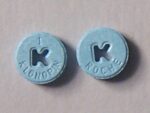
Quick answer: Most people notice the first small changes from Celexa (citalopram) in 1 to 2 weeks, often in sleep, appetite or energy. The lift in mood usually comes later, around weeks 4 to 8, and some people keep improving through week 12. If you see no meaningful change after 4 to 6 weeks on a steady dose, that is the time to check in with your prescriber.
In the largest real-world study of depression treatment ever run in the US, the first drug every patient took was citalopram. The average person who responded needed almost six weeks to get there, and more than half of those who responded did so only at or after week 8. So if you are asking how long does Celexa take to work, the honest answer is longer than most people expect. That is not a sign the pill is failing.
This guide is built like a clock. It walks through what usually shifts in each stretch of the first few months, what you can do during each one, and how to tell a slow start from a medicine that is not the right fit. For the basics of strengths and dose changes, see our Celexa dosage guide.
The short answer: how long does Celexa take to work?
There are really three answers, depending on what you mean by “work.”
- First signs: 1 to 4 weeks. The US prescribing information for citalopram tells prescribers that patients may notice improvement within 1 to 4 weeks, and that they should keep taking it as directed.
- A clear response (symptoms cut roughly in half): about 6 weeks on average in the STAR*D trial, with a wide spread.
- Remission (feeling close to your usual self): closer to 7 weeks on average, and for many people 8 to 12 weeks.
The UK’s NHS guidance on citalopram puts it simply: you may need to take citalopram for a few weeks before you notice your symptoms easing. After that, most people keep taking it for at least six months to protect the gains.
Why the wait? Blood levels settle fast, the brain adapts slowly
Citalopram itself is not slow to get into your system. According to the FDA-approved label on DailyMed, blood levels peak about 4 hours after a dose, the average half-life is about 35 hours, and steady blood levels are reached within about one week of once-daily dosing.
So by day 7 or so, the amount of drug in your body has leveled out. The delay after that comes from the brain, not the bloodstream. SSRIs increase serotonin signaling within hours, but the downstream changes that seem to matter for mood (shifts in receptor sensitivity, nerve cell connections and stress-response systems) build over weeks. That is why a dose increase is not an instant fix either. The label says dose increases should come no sooner than one week apart, and in practice many prescribers wait longer to see what a dose can do.
How long does Celexa take to work? The recovery clock, week by week
Everyone’s clock runs at a different speed. Treat the stages below as a typical pattern, not a schedule you have to match. A common thread runs through them: the body-level symptoms of depression (sleep, appetite, energy, focus) often shift before the emotional ones (sadness, hopelessness, loss of interest). Many patients say other people notice the change before they do.
Week 1: The side-effects-first week
Most people do not feel better in week one, and some feel a little worse. Early side effects tend to show up before the benefits: mild nausea, a dry mouth, sweating, headache, feeling jittery or, for others, sleepy. Sleep can be thrown off in either direction. Our guide to Celexa side effects covers which ones usually fade and which need a call.
Even so, research suggests something is already happening. A 2006 meta-analysis by Taylor and colleagues pooled 28 placebo-controlled trials of SSRIs and found that, as a group, people on SSRIs were already doing measurably better than placebo by the end of week 1. The change is often too small to feel, but it is real.
What to do this week: Take your dose at the same time each day. Take it with food if your stomach is unsettled. Jot down a 0-10 score for mood, sleep and energy each evening so you have a baseline. If you feel restless, agitated or have new thoughts of self-harm, call your prescriber right away or call or text 988.
Week 2: Small physical changes
Your blood level is now steady. This is often when the first quiet signals appear. You fall asleep a little more easily, or wake less at 4 a.m. Food tastes like something again. You manage a shower and a short walk on a day that would have been a write-off a month ago. Early side effects such as nausea often start to ease.
If sleep has gone the other way and you are lying awake, that is a known effect of citalopram for some people, and it is often fixable with timing. Our post on Celexa and insomnia walks through the options to raise with your prescriber.
What to do this week: Compare your scores with week 1. Look for any change at all, even a point or two. Many prescribers book a check-in around now, especially for people under 25. Bring your notes.
Weeks 3-4: The frustrating middle
This is when many people give up, and it is often too soon. Energy and concentration may be creeping up, but mood can still feel flat or heavy. Good days and bad days alternate, and one bad day can make it feel as though nothing has changed. Looking back at your daily scores helps here, because the trend line is easier to trust than how you feel on a Tuesday afternoon.
If you started on a lower dose to ease side effects, your prescriber may raise it toward the usual 20 mg around now, or consider a step up from 20 mg if progress is slow. A higher dose restarts part of the clock, since it takes about another week for levels to settle.
What to do this week: Keep going unless your prescriber advises otherwise. Add one small, steady habit: a daily walk, a fixed wake-up time, or a call with a friend. Avoid alcohol, which works against the medicine. If you are not in therapy, this is a good time to ask about it.
Weeks 6-8: Where most responses show up
For people who will respond to citalopram, this window is where it tends to become obvious. The fog lifts more often than it settles. You laugh at something and notice it. Tasks you were avoiding feel possible. In STAR*D, the mean time to response was 5.7 weeks and to remission was 6.7 weeks, which lands right here.
This is also the natural checkpoint for people who are not improving. Both US and UK guidance point to roughly this period (4 to 8 weeks) as the time to reassess if there has been little or no change. More on that below.
What to do this week: Book a proper review with your prescriber. Share your symptom log. Ask directly: “Is this a partial response, a full one, or no response, and what’s our next step?”
Weeks 8-12: The late responders
A big share of people keep improving here. Interest and pleasure, often the last symptoms to return, start coming back: hobbies, sex drive, looking forward to things. In STAR*D, 56% of responders and about 40% of remitters reached that point only at or after week 8. That finding is one of the main reasons experts warn against judging an SSRI too early.
Sexual side effects, if you have them, may be more noticeable now that other symptoms are lifting. Do not stop the medicine because of them. Talk to your prescriber, because there are workable fixes.
What to do this week: If you are better but not fully well, say so. “Better” and “well” are different goals, and leftover symptoms raise the risk of relapse. Ask whether a dose adjustment, therapy or another change could close the gap.
Month 6 and beyond: Holding the ground
Once you feel well, the job changes from getting better to staying better. The American Psychiatric Association’s guideline recommends continuing the same dose for 4 to 9 months after a response, and the NHS says most people take citalopram for at least six months. In the original Celexa trials, people who kept taking it after 6 to 8 weeks of initial treatment were less likely to relapse over the following 24 weeks than those switched to placebo.
Stopping suddenly can cause discontinuation symptoms such as dizziness, irritability and “brain zaps.” When the time comes, a slow, planned taper works best. Our guide to Celexa withdrawal explains what to expect.
What to do this stage: Keep refills ahead so you never run out. Agree with your prescriber on a review date for whether and when to taper. Write down your early warning signs of relapse so you can act fast if they return.
| Stage | What often changes | Main task |
|---|---|---|
| Week 1 | Side effects; benefits usually too small to feel | Take it daily, start a log |
| Week 2 | Sleep, appetite and energy may start to shift | Compare with baseline, early check-in |
| Weeks 3-4 | Focus and energy creep up; mood still uneven | Stay the course, possible dose step-up |
| Weeks 6-8 | Clear response for many people | Formal review with prescriber |
| Weeks 8-12 | Interest and pleasure return in late responders | Aim for full wellness, not just “better” |
| Month 6+ | Stable mood | Prevent relapse, plan any taper |
What STAR*D showed about how long Celexa takes to work
STAR*D (Sequenced Treatment Alternatives to Relieve Depression) was funded by the National Institute of Mental Health and enrolled thousands of ordinary outpatients, many with long-running depression and other health problems. Everyone started on citalopram in what the study called Level 1. People who did not get well could move on to other medicines or therapy in later levels.
The Level 1 numbers
The Level 1 results, published by Trivedi and colleagues in 2006, analyzed 2,876 patients treated for up to 14 weeks:
- Remission: about 28% on the clinician-rated Hamilton scale and about 33% on a self-report scale (QIDS-SR).
- Response: about 47% (at least a 50% drop in symptoms).
- Average final dose: about 42 mg a day, which is higher than many people stay on in routine care. Note that 40 mg is now the labeled maximum because of heart-rhythm concerns. See Celexa and QT prolongation.
- Timing: the mean time to response was 5.7 weeks and to remission 6.7 weeks, according to the full report in the American Journal of Psychiatry. More than half of responders got there only at or after week 8.
The researchers concluded that longer treatment and fuller dosing were needed to give citalopram a fair trial. They suggested reconsidering the plan for people with minimal benefit after about 6 to 9 weeks. They also pushed for regular symptom tracking with short questionnaires.
The reanalysis debate
STAR*D’s headline claim was that about two-thirds of patients reached remission if they stuck with up to four treatment steps. In 2023, a team including Pigott and Kirsch published a reanalysis in BMJ Open. It used the patient-level data and the outcome measure set in the original protocol. Their figure for cumulative remission was 35%, about half the reported 67%. They argued that some patients who should have been excluded were counted, and that the main outcome was swapped for a self-report scale.
The original investigators disputed this. They said the scales were closely related, and they stood by their findings. The argument is mostly about the overall success rate across all four steps, not about the timing pattern on citalopram. For you, the practical lessons hold either way: improvement often takes 6 to 8 weeks or more, and many people need more than one try to find the right treatment.
The two-week signal: why early change matters
Waiting 8 to 12 weeks is hard. Fortunately, the first two weeks offer a useful clue. A 2009 meta-analysis by Szegedi and colleagues in the Journal of Clinical Psychiatry pooled 41 antidepressant trials covering more than 6,500 patients. They defined “early improvement” as at least a 20% drop in depression scores within two weeks.
The key finding was about who did not improve early. People with no early improvement were unlikely to go on to a stable response or remission. The flip side was weaker: early improvement did not guarantee success, but its absence was a fairly strong warning sign. Those trials tested mirtazapine against placebo or other antidepressants, not citalopram specifically, so treat this as a general antidepressant pattern.
What that means in real life: if you feel nothing at all by week 2 to 4, not even a small shift in sleep, energy or how heavy the days feel, mention it at your next visit. It does not mean you should stop. It means your prescriber may want to adjust the plan sooner rather than wait out the full 8 weeks.
Why isn’t Celexa working yet? A troubleshooting checklist
If your clock seems stuck, one of these is often part of the story. Each is something to raise with your prescriber or pharmacist, not something to change on your own.
1. The dose may not be there yet
Many people start at 10 or 20 mg. The label allows up to 40 mg a day for most adults, but caps it at 20 mg for people over 60, people with liver problems, those who process the drug slowly (CYP2C19 poor metabolizers), and those taking certain interacting drugs. A higher dose is not always more effective, but it is worth asking whether you are on the dose that fits you.
2. Doses are being missed
Skipping doses now and then is very common, and it keeps blood levels from staying steady. Thanks to the long half-life, one missed pill is rarely a disaster. MedlinePlus advises taking a missed dose when you remember unless the next one is almost due, and never doubling up. A phone alarm or weekly pill box helps a lot.
3. Alcohol is working against it
The citalopram label says alcohol is not recommended for people taking it for depression. Alcohol is a depressant, disrupts sleep and can worsen side effects. Regular drinking can quietly erase the gains you are waiting for. Read more in our post on Celexa and alcohol.
4. The diagnosis needs a second look
Depression can be one part of bipolar disorder, and the label says people should be screened for bipolar risk before starting. An SSRI alone can sometimes trigger mania in people with bipolar disorder. Tell your prescriber about periods of very high energy, little need for sleep, racing thoughts or unusually risky behavior, in you or close family. Thyroid problems, low vitamin B12, sleep apnea, ongoing pain and substance use can also mimic or prolong depression.
5. Another medicine or supplement is interfering
Some drugs raise citalopram levels, which can increase side effects and heart-rhythm risk. Others may lower them. Herbal products such as St. John’s wort add to serotonin effects. Give your pharmacist a full list, including over-the-counter and herbal products. Combining serotonin drugs carries a rare but serious risk, covered in our guide to serotonin syndrome on Celexa.
6. Medicine alone is not enough
Ongoing stress, conflict at home, grief, isolation or money worries can slow recovery no matter how good the medication is. UK guidance specifically asks clinicians to look at personal, social and environmental factors when someone has not responded. Talk therapy, such as cognitive behavioral therapy, works well alongside an SSRI and may help you get further than either alone.
When to talk to your prescriber
Guidelines give a fairly consistent window. The American Psychiatric Association guideline, summarized by the AAFP, advises reassessing if moderate improvement has not happened 4 to 8 weeks after starting. That review should look again at the diagnosis, side effects, adherence and other conditions. The UK’s NICE depression guideline suggests a similar conversation if there is no response after 4 to 6 weeks.
In practice, plan to raise it if:
- You have had no meaningful change by 4 to 6 weeks on a steady dose.
- You are partly better at 8 to 12 weeks but clearly not back to yourself.
- Side effects are making it hard to keep taking the medicine.
- You feel more anxious, agitated, irritable or restless than before you started.
Options your prescriber might discuss include adjusting the dose, adding therapy, switching to a different antidepressant, or adding a second medicine. Some people ask about escitalopram. Our Celexa vs Lexapro comparison explains how the two relate.
The early weeks need extra watchfulness
Celexa carries an FDA boxed warning. In short-term studies, antidepressants raised the risk of suicidal thoughts and behaviors in children, teens and young adults under 25. The risk is highest in the first few months and after dose changes. Anyone starting citalopram, at any age, should be watched for worsening mood, unusual behavior or new thoughts of self-harm. Family members can help by watching too.
If you are having thoughts of hurting yourself: call or text 988 (the Suicide & Crisis Lifeline in the US) any time, day or night, and contact your prescriber. If you are in immediate danger, or have symptoms like fainting, a racing or irregular heartbeat, a seizure or severe confusion, call 911.
Is the timeline different for anxiety?
In the US, Celexa is FDA-approved only for depression. Doctors do prescribe it off-label for anxiety disorders such as generalized anxiety and panic disorder, and the NHS lists panic disorder among its uses. With anxiety, the clock often looks a little different:
- A rougher start. SSRIs can briefly increase jitteriness or anxiety in the first week or two. This is one reason prescribers often start people with panic symptoms on a lower dose and increase slowly.
- A slow fade rather than a switch. Worry and physical tension tend to ease gradually over several weeks. Fewer or milder panic attacks are often the first sign.
- Patience still pays. Full benefit for anxiety commonly takes as long as, or longer than, it does for depression.
For the details on dosing and what to expect, see our full guide to Celexa for anxiety.
How to track how long Celexa takes to work for you
Depression distorts memory. On a low day, it can feel as if you have never felt better. That is why the STAR*D team urged regular use of short questionnaires such as the PHQ-9, a nine-question depression checklist many clinics use. You do not need anything fancy. A note on your phone works.
- Each evening, rate mood, sleep, energy and interest from 0 to 10.
- Note any side effects and how strong they were.
- Mark missed doses, alcohol, and any big stressors.
- Once a week, average the scores and compare with your week-1 baseline.
- Bring the record to every appointment. It turns “I don’t know, about the same?” into real data.
Look for the pattern described above: physical symptoms first, emotional ones later. A rise in sleep and energy scores while mood stays flat is often a sign you are on the way, not stuck.
Frequently asked questions
Can Celexa work in the first week?
Some people notice small improvements, often in sleep or energy, within the first week or two. Pooled SSRI studies show a measurable average benefit over placebo by the end of week 1. Most people, though, do not feel a clear mood change that early, and the full effect usually takes 4 to 8 weeks or longer.
How do I know if citalopram is working?
Early signs include steadier sleep, a returning appetite, a bit more energy and an easier time concentrating. Later you may notice less crying or dread, and more interest in people and activities. Keeping a short daily score of mood, sleep and energy is the most reliable way to spot the trend.
Why do I feel worse after starting Celexa?
Early side effects such as nausea, restlessness, poor sleep or jitteriness can appear before the benefits, and they often ease within a couple of weeks. But worsening depression, agitation or any thoughts of self-harm need prompt attention. Call your prescriber, or call or text 988 in the US. This matters especially if you are under 25.
Does increasing the dose make Celexa work faster?
Not necessarily. A dose increase may help someone who is partly responding, but each change needs about a week for blood levels to settle and more time for the brain to adjust. The label allows increases no sooner than one week apart, up to 40 mg a day for most adults. Only change your dose with your prescriber’s guidance.
How long should I try Celexa before switching?
Guidelines generally suggest reassessing after 4 to 8 weeks at an adequate dose if there has been little or no improvement. If you have partly improved, your prescriber may extend the trial, since many people keep improving through week 12. If you have had no change at all by 2 to 4 weeks, mention it early.
Once Celexa works, how long will I need to take it?
Most people continue for at least six months after feeling better. The APA suggests 4 to 9 months on the same dose after a response, and longer for people with repeated episodes. When it is time to stop, your prescriber will usually taper the dose gradually to avoid discontinuation symptoms.
The bottom line on how long Celexa takes to work
How long does Celexa take to work? Expect small physical shifts in the first one to two weeks, a clearer mood response for many people around weeks 6 to 8, and continued gains for late responders through week 12. Citalopram reaches steady levels in about a week, but the brain needs longer. The biggest real-world study of the drug showed that patience, a fair dose and regular check-ins make a real difference.
Keep a simple log. Take your dose daily. Skip the alcohol. If you see no meaningful change by 4 to 6 weeks, talk to your prescriber rather than quietly giving up. And if your mood gets worse or thoughts of self-harm appear, especially early on, call or text 988 right away.
Medical disclaimer: This article is for general information only and is not a substitute for professional medical advice, diagnosis or treatment. Do not start, stop or change the dose of any medication without talking to your prescriber or pharmacist. If you are in crisis, call or text 988 in the US, or call 911 in an emergency.