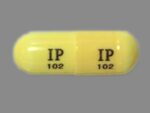
Short answer: Celexa for anxiety is an off-label use. The FDA approved Celexa (citalopram) only for major depressive disorder in adults. Even so, real clinical trials show it helps some anxiety conditions. The evidence is strongest for panic disorder and OCD, middling for generalized anxiety, and thin for social anxiety and PTSD. Below you’ll find a grade for each condition and what the studies actually measured.
Picture two people leaving the same clinic with the same prescription: citalopram, 20 mg. One has panic attacks that hit in the grocery store. The other has years of constant, low-hum worry. Is Celexa for anxiety an equally good bet for both of them? Not quite. How well citalopram works depends a lot on which anxiety problem you have. The research behind each one ranges from a large, well-run trial to a handful of small pilot studies.
This guide works like a report card. We go disorder by disorder, give each one an evidence grade, and explain the studies behind it in plain English. Then we compare citalopram with the medicines that are FDA-approved for anxiety. We also cover the rough first couple of weeks some people go through, and finish with a list of questions to bring to your prescriber.
Is Celexa for anxiety an FDA-approved use?
No. The current Celexa prescribing information from AbbVie lists one indication: major depressive disorder (MDD) in adults. Anxiety disorders aren’t on the label. That makes citalopram for anxiety an “off-label” prescription.
Off-label sounds sketchy. It isn’t. Once the FDA approves a drug for one use, licensed prescribers can legally prescribe it for other conditions when they judge it’s appropriate. The FDA regulates how drug companies market medicines, not how doctors practice medicine. Off-label prescribing is very common in psychiatry, and many off-label uses have solid research behind them.
So why didn’t citalopram get an anxiety approval? Part of the answer is likely commercial. The company behind citalopram later developed escitalopram (Lexapro), a refined version of the same molecule, and ran the large anxiety trials needed for an FDA filing on that drug. Lexapro got the generalized anxiety disorder approval. Citalopram never went through that process in the US. If you’re curious how the two cousins differ, our side-by-side look at Celexa and Lexapro goes deeper.
One thing the label does say applies to everyone, whatever the reason for the prescription. Celexa carries a boxed warning about a higher risk of suicidal thoughts and behaviors in children, teens and young adults under 25. Anyone starting it should be watched closely for worsening mood, especially in the first few months and after dose changes.
How were the evidence grades assigned?
We used three simple levels. They reflect the quality and size of the citalopram research for each condition. They don’t measure how well the drug will work for you.
- Strong: at least one large, randomized, double-blind trial where citalopram beat a placebo (dummy pill).
- Moderate: smaller placebo-controlled trials, or trials in narrower groups of people, plus supportive indirect evidence.
- Limited: open-label studies (everyone knew what they were taking), very small samples, or trials where citalopram didn’t clearly beat placebo.
Keep one more thing in mind as you read. Several older citalopram trials tested doses of 60 mg a day. That’s no longer allowed in the US. The current label caps citalopram at 40 mg daily because higher doses can affect heart rhythm. The cap is 20 mg for people over 60, people with liver problems, and certain others. Our guide to Celexa and QT prolongation explains why. When a study used higher doses, we say so.
Does Celexa work for panic disorder? Grade: Strong
Panic disorder has the best citalopram data of any anxiety condition. The key study is a 1997 trial by Wade and colleagues in the British Journal of Psychiatry. It enrolled 475 people with panic disorder, with or without agoraphobia.
Here’s how it was set up. For eight weeks, people were randomly given a placebo, the older antidepressant clomipramine, or citalopram at one of three dose ranges: 10–15 mg, 20–30 mg, or 40–60 mg a day. Doses went up gradually over the first three weeks and then stayed fixed.
- The 20–30 mg and 40–60 mg citalopram groups were significantly more likely than the placebo group to be panic-free by the end of the study.
- The middle range, 20–30 mg, did better than the highest range on every rating scale.
- The authors concluded that 20–30 mg a day gave the best balance of benefit and side effects.
That second point matters. More wasn’t better. That’s reassuring today, because the doses that worked best sit comfortably under the current 40 mg ceiling.
Why only “strong” and not “proven”? It’s one large trial, plus supporting work, from the 1990s. And panic disorder treatment usually involves more than a pill. If panic attacks are the main problem, our article on how Ativan is used for panic attacks explains where fast-acting rescue medicines fit and where they don’t. Panic often shows up as physical symptoms, too. If you’ve ever felt like you couldn’t get a full breath during an attack, see why anxiety can make you feel short of breath.
Does Celexa work for OCD? Grade: Strong
Obsessive-compulsive disorder (OCD) is no longer grouped with the anxiety disorders in the current diagnostic manual. But it’s closely related, and people often ask about it in the same breath. Citalopram has one well-designed trial here, too.
A 2001 study by Montgomery and colleagues in International Clinical Psychopharmacology randomized 401 adults with OCD. They got 20, 40 or 60 mg of citalopram a day, or a placebo, for 12 weeks. All three doses beat the placebo on the standard OCD rating scale (the Y-BOCS).
| Group | Responded (25%+ drop in Y-BOCS score) |
|---|---|
| Citalopram 20 mg | 57.4% |
| Citalopram 40 mg | 52% |
| Citalopram 60 mg* | 65% |
| Placebo | 36.6% |
Two caveats. First, the bar for “response” in this trial was a 25% improvement. That’s meaningful, but many people with OCD still have symptoms at that point. Second, the doses didn’t differ significantly from each other. The 60 mg group looked best on paper, but that dose is no longer used in the US. OCD often needs a full 10–12 weeks on medicine before anyone can judge it, so patience is part of the plan.
Does Celexa work for generalized anxiety disorder? Grade: Moderate
Generalized anxiety disorder (GAD) is the persistent, hard-to-switch-off worry many people mean when they say “anxiety.” It’s also where the citalopram evidence is surprisingly patchy. No large, industry-scale placebo-controlled trial of citalopram in GAD for younger adults exists.
The best direct evidence comes from older adults. A 2005 trial by Lenze and colleagues in the American Journal of Psychiatry randomized 34 people aged 60 and up. Most (30 of them) had GAD; a few had panic disorder or PTSD. Citalopram started at 10 mg, rose to 20 mg after a week, and could go to 30 mg after four weeks if needed.
- After 8 weeks, 65% of people on citalopram had responded (11 of 17).
- On placebo, 24% responded (4 of 17).
That’s a big gap, but 34 people is a small study. Note that 30 mg is above the 20 mg cap that today’s label sets for anyone over 60.
The “moderate” grade also leans on indirect evidence. Escitalopram, the active half of the citalopram molecule, is FDA-approved for GAD based on large trials. Many clinicians reasonably expect citalopram to behave similarly. Still, “similar molecule” isn’t the same as “tested for this.” If GAD is your main diagnosis, it’s fair to ask why citalopram rather than an option with a GAD label. Sometimes the answer is simple: cost, insurance coverage, or the fact that you already did well on it.
Does Celexa work for social anxiety disorder? Grade: Limited
Social anxiety disorder means intense fear of being judged, embarrassed or watched. Citalopram’s research here is encouraging but weak in design.
- A 2002 Turkish trial (Atmaca and colleagues, Human Psychopharmacology) compared citalopram with moclobemide, an antidepressant not sold in the US, in 71 people for 8 weeks. Response rates were nearly identical: 75% on citalopram and 74.3% on moclobemide. But there was no placebo group, and patients knew which drug they were taking. Only the raters were blinded.
- A small open-label pilot study published in CNS Spectrums followed just 10 people with social anxiety. Several of them hadn’t responded to earlier treatment. They improved on all measures, but at an average dose of about 55 mg, which is above today’s US limit.
Without a solid placebo-controlled trial, it’s hard to know how much of that improvement came from the drug itself. Several other medicines have FDA approval for social anxiety disorder (see the table below), and therapy is a strong option too.
Does Celexa work for PTSD? Grade: Limited
Post-traumatic stress disorder (PTSD) is where citalopram’s report card is weakest. The best-known trial is a 2003 study by Tucker and colleagues in Psychopharmacology Bulletin. It randomized 58 adults with chronic PTSD to citalopram, sertraline (Zoloft), or placebo for 10 weeks.
The results were murky. All three groups improved, including the placebo group. Citalopram did reduce blood-pressure spikes when people listened to reminders of their trauma, which is interesting from a body-response point of view. But sertraline did better on avoidance and emotional numbness. The placebo group was also tiny (10 people), which makes comparisons shaky.
Bottom line for PTSD: citalopram hasn’t shown that it beats placebo. Sertraline and paroxetine are the two FDA-approved medicines for PTSD. Trauma-focused talk therapies are also a mainstay of care.
What about anxiety that comes with depression? Grade: Strong
This is where citalopram stands on firmest ground, because depression is its approved use. Anxiety and depression travel together so often that many people have both. Tension, worry, poor sleep and restlessness are common parts of a depressive episode. When the depression lifts on an antidepressant, those anxious symptoms often ease with it.
One fair caveat: if anxiety is the louder of the two problems, a prescriber may weigh a medicine with a specific anxiety label instead. That’s a conversation, not a rule. Also, any time depression is part of the picture, watch closely for worsening mood. If you or someone you care for has thoughts of suicide, contact the prescriber right away or call or text 988 (the Suicide & Crisis Lifeline in the US). If someone is in immediate danger, call 911.
What about health anxiety and other conditions?
People sometimes ask about citalopram for health anxiety (once called hypochondria), specific phobias, or anxiety tied to other illnesses. We couldn’t find enough good-quality citalopram trials to grade these fairly, so we’re not giving them a grade. For specific phobias in particular, exposure-based therapy is usually the first approach, not medicine.
How does Celexa for anxiety compare with FDA-approved options?
An off-label drug isn’t automatically second-best. But it helps to see the other options. The table below lists what each medicine’s current US label covers for anxiety-type conditions, based on FDA prescribing information we checked.
| Medicine | FDA-approved anxiety-related uses | Worth knowing |
|---|---|---|
| Citalopram (Celexa) | None (approved for major depression in adults only) | Off-label evidence strongest for panic disorder and OCD; 40 mg daily max (20 mg for most people over 60) |
| Escitalopram (Lexapro) | Generalized anxiety disorder (adults and children 7+) | Close chemical relative of citalopram |
| Sertraline (Zoloft) | OCD, panic disorder, PTSD, social anxiety disorder | Also approved for depression and PMDD; no GAD label |
| Paroxetine (Paxil tablets) | OCD, panic disorder, social anxiety disorder, GAD, PTSD (adults) | Broadest anxiety label among SSRIs; withdrawal symptoms can be more noticeable |
| Venlafaxine ER (Effexor XR) | GAD, social anxiety disorder, panic disorder (adults) | An SNRI; can raise blood pressure |
| Duloxetine (Cymbalta) | GAD (adults and children 7+) | An SNRI; also approved for several pain conditions |
| Buspirone | Anxiety disorders and short-term relief of anxiety symptoms | Not an antidepressant; trials were in people with GAD-type anxiety; not for panic attacks |
A few patterns jump out. Sertraline covers most of the conditions where citalopram’s evidence is weakest, including social anxiety and PTSD. Our Celexa vs. Zoloft comparison walks through how they differ in side effects and interactions. For GAD specifically, escitalopram, duloxetine, venlafaxine ER, paroxetine and buspirone all carry the label. Buspirone works quite differently from benzodiazepines; this breakdown of Ativan vs. buspirone explains why one is a daily maintenance drug and the other is a fast-acting, habit-forming one.
In real life, the “best” choice also depends on your other health conditions, other medicines, past responses (yours or a close relative’s), cost and side-effect priorities. A label is a starting point, not the final word.
Why can anxiety feel worse in the first two weeks?
Here’s the cruel irony. A medicine meant to calm anxiety can, for some people, briefly stir it up. Doctors call it “jitteriness” or activation. It can feel like restlessness, inner shakiness, a racing mind, more frequent panic or trouble sleeping. It usually shows up in the first days to weeks.
How common is it?
Estimates are all over the map. A 2009 systematic review in the British Journal of Psychiatry by Sinclair and colleagues found reported rates from 4% to 65% of people starting an antidepressant. The reviewers found no solid proof that it’s more common with SSRIs than with older antidepressants, or more common in people with anxiety disorders. They also found no clear answer on whether early jitters predict how well the drug ends up working.
Celexa’s own label gives a narrower window. In its depression trials, anxiety was reported by 4% of people on citalopram vs. 3% on placebo, and agitation by 3% vs. 1%. Insomnia was common in both groups (15% vs. 14%). If sleep is the bigger issue for you, our guide to Celexa and insomnia covers timing and practical fixes to discuss with your prescriber.
Why some prescribers start lower
The usual starting dose for depression is 20 mg once a day. For anxious patients, especially those with panic disorder, many clinicians begin lower and go up more slowly. A widely cited American Family Physician review on panic disorder treatment sums up the approach as “start low, go slow.” It suggests starting most patients at about half the usual antidepressant dose and waiting about a week between increases. Notice that the Wade panic trial and the Lenze GAD trial both built up the dose step by step, too.
Starting low may mean it takes a bit longer to reach a working dose. For a realistic timeline of when benefits usually appear, see how long Celexa takes to work.
What about a short-term benzodiazepine “bridge”?
Some prescribers add a benzodiazepine, such as lorazepam (Ativan) or clonazepam, for the first few weeks while the SSRI kicks in. This is strictly a prescriber’s call. It isn’t right for everyone. The same AAFP review noted that benzodiazepines act within hours and may help people who struggle with early activation. It also urged caution: keep it short (ideally under a month), use the lowest dose that works, and generally avoid them in people with a history of drug or alcohol misuse. Physical dependence can develop within one to two months.
If a bridge is on the table, ask which one and why. Different benzodiazepines act at different speeds and last different lengths of time. Our comparison of Xanax vs. Ativan explains those differences.
Call your prescriber if early side effects are hard to bear. Don’t stop citalopram or change your dose on your own. Agitation, panic or restlessness that feels unbearable, or any new or worsening thoughts of self-harm, especially if you’re under 25, are reasons to call the same day. You can also call or text 988 any time.
Does therapy work better than, or with, Celexa?
For most anxiety disorders, cognitive behavioral therapy (CBT) is a first-line treatment in its own right, not a backup plan. CBT teaches you to spot anxious thinking patterns and gradually face feared situations instead of avoiding them. For panic disorder, that often means practicing with the body sensations of panic (like a fast heartbeat) until they lose their power. For OCD, the specific technique is called exposure and response prevention.
England’s NICE guideline on GAD and panic disorder says there’s no evidence that medicine or psychological therapy is better overall. It recommends that patient preference guide the choice. Its 2020 review of the guideline also found good support for guided self-help and internet-delivered CBT, which can be easier to access than weekly office visits. The same review said benzodiazepines can help panic in the short term, but long-term use is linked to dependence.
Many people do best with both: medicine to turn down the volume enough to engage in therapy, and therapy to build skills that last after the medicine is eventually tapered. Practical ways to pair them:
- Tell your therapist you’re starting citalopram, and tell your prescriber you’re in therapy.
- Ask your prescriber whether any “as-needed” calming medicine could interfere with exposure exercises. Some therapists prefer you face anxiety without a rescue pill during practice.
- If cost or waitlists are a barrier, ask about group CBT, guided self-help workbooks or reputable app-based programs.
- Keep the basics steady: regular sleep, limits on caffeine and alcohol, and physical activity all affect anxiety.
Is Celexa for anxiety right for me? Questions for your doctor
Bring this list to your next appointment. You don’t need to ask every one. Pick the ones that match your situation.
- Which anxiety diagnosis are we treating? GAD, panic, social anxiety, OCD, PTSD, or anxiety as part of depression? The evidence differs for each.
- Why citalopram instead of an FDA-approved option for my condition? Is it cost, insurance, my history, or something else?
- What starting dose will I use, and how fast will we raise it? Would a lower start make sense given my anxiety?
- What should I do if I feel more anxious in the first two weeks? Who do I call, and when is it urgent?
- Do I need a heart check? Ask about an ECG if you have a heart condition, low potassium or magnesium, or take other drugs that affect heart rhythm.
- Does my age or other medicines change my maximum dose? The cap is 20 mg for people over 60 and for some drug combinations.
- Will I need a short-term calming medicine at the start? If so, for how long, and how will we stop it?
- How will we measure whether it’s working? Fewer panic attacks? A lower score on a questionnaire? By what week?
- Can you refer me for CBT or recommend a structured self-help program?
- How long should I plan to stay on it once I feel better, and how would we taper off safely when the time comes?
Your pharmacist is another great resource, especially for interaction checks. Citalopram interacts with a range of drugs, including some heartburn medicines, other antidepressants, migraine drugs and some pain medicines.
So, is Celexa for anxiety effective?
For some anxiety conditions, yes, with good research to back it. Here’s the report card in one place:
| Condition | Evidence grade | Main reason |
|---|---|---|
| Panic disorder | Strong | 475-person placebo-controlled trial; 20–30 mg worked best |
| OCD | Strong | 401-person placebo-controlled trial; all doses beat placebo |
| Anxiety with depression | Strong | Depression is the FDA-approved use |
| Generalized anxiety disorder | Moderate | Small trial in adults 60+; indirect support from escitalopram |
| Social anxiety disorder | Limited | No placebo-controlled trial; open-label studies only |
| PTSD | Limited | Small trial; didn’t clearly beat placebo |
Celexa for anxiety is legal, common and evidence-based for panic disorder and OCD. It’s a reasonable but less-proven choice for GAD, and a weaker bet for social anxiety and PTSD, where FDA-approved options have better data. Whatever you’re prescribed, expect a possible rough patch early on, give the medicine several weeks, and consider pairing it with CBT. Keep your prescriber in the loop at every step.
This article is for general information only. It is not medical advice and does not replace a conversation with your doctor, psychiatrist or pharmacist. Don’t start, stop or change any medicine without talking to your prescriber. If you’re having thoughts of suicide, call or text 988 in the US. In an emergency, call 911.