Ativan for panic attacks is a prescription many people end up discussing with a doctor after a frightening episode: the pounding heart, the tight chest, the certainty that something terrible is about to happen. When it comes to treatment, “take a pill and make it stop” is an understandable wish. Ativan (lorazepam) can calm the body’s alarm system, but how and when it helps is often different from what people expect.
This guide follows the experience in chronological order: what a panic attack actually is, what to expect in the first minutes and hours after a dose, how things look over the following weeks, and what a realistic long-term plan involves. It is general education and not a substitute for your clinician’s advice.
Quick answers
- Ativan can reduce panic symptoms, but most oral doses take 30 to 60 minutes to act, and a panic attack usually peaks and fades faster than that.
- Panic disorder is not an FDA-labeled use of Ativan. Doctors prescribe it off-label, usually as a short-term bridge.
- First-line long-term treatment is typically CBT and/or an SSRI or SNRI, not a benzodiazepine.
- Repeated use carries real risks of tolerance, dependence and withdrawal, covered by an FDA boxed warning.
The timeline
Stage 0: What Is a Panic Attack, Exactly?
A panic attack is a sudden surge of intense fear or discomfort that peaks within minutes. It is the body’s alarm system firing when there is no real danger to explain it. Typical symptoms include:
- Pounding or racing heart
- Sweating, trembling or shaking
- Shortness of breath or a feeling of choking
- Chest tightness or pain
- Nausea or stomach upset
- Dizziness or lightheadedness
- Chills or hot flushes
- Numbness or tingling
- A sense of unreality or detachment
- Fear of losing control, “going crazy” or dying
Having an attack does not automatically mean you have panic disorder. That diagnosis involves recurrent, unexpected attacks followed by at least a month of persistent worry about more attacks or changes in behavior to avoid them. A clinician makes that call.
Rule out the body first
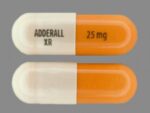
Panic symptoms overlap with heart attack, asthma flares, thyroid problems, low blood sugar and the effects of stimulants. If you have chest pain, or this is your first episode, get medical care before assuming it is “just anxiety.” Our article on whether anxiety can cause shortness of breath explains how to tell the difference and when to seek urgent help. Some medicines can also provoke anxiety or panic, for example stimulants, as covered in can Adderall cause anxiety.
Stage 1: Before the Prescription
Is Ativan an approved treatment for panic disorder?
Not formally. Ativan tablets are FDA-approved for anxiety disorders and the short-term relief of anxiety symptoms. The benzodiazepines labeled specifically for panic disorder are alprazolam (Xanax) and clonazepam (Klonopin). Doctors do sometimes prescribe lorazepam for panic, and it is a recognized practice, but it is considered off-label use. If you want to compare the choices, see Xanax vs Ativan and Ativan vs Klonopin.
Where benzodiazepines fit in the treatment ladder
Clinical guidelines generally place the following ahead of benzodiazepines for panic disorder:
- Cognitive behavioral therapy (CBT), especially approaches that gradually retrain the fear response to physical sensations.
- SSRIs or SNRIs, such as sertraline, paroxetine, fluoxetine or venlafaxine.
Benzodiazepines usually come in as a short-term bridge, since antidepressants take several weeks to work and can briefly make anxiety feel worse at the start. A clinician may also consider them for severe episodes or when other treatments have failed or are not suitable.
What to tell your doctor before starting
- Any history of alcohol or drug misuse, in you or close family
- All medicines and supplements you take, especially opioids, sleeping pills and muscle relaxants
- Whether you drink alcohol, and how much
- Sleep apnea, lung disease or liver problems
- Pregnancy, plans to become pregnant, or breastfeeding. See Ativan during pregnancy.
- Depression or any thoughts of self-harm
Stage 2: The First Minutes After a Dose
Here is the part that surprises many people. Panic attacks tend to peak within about 10 minutes and often fade in 20 to 30 minutes, with or without medication. An oral Ativan tablet typically starts working in roughly 30 to 60 minutes and peaks around two hours. That means, in many cases, the attack is already winding down by the time the drug kicks in.
What that timing means in practice
- If you feel calmer after 30 or 40 minutes, the drug may be helping, but the natural end of the attack is also contributing.
- Taking a second dose because the first “isn’t working yet” is a common and risky mistake.
- Some prescribers allow the tablet to be dissolved under the tongue, which can speed absorption, but this is off-label and should be done only if your clinician specifically tells you to.
For a deeper look at onset, peak and duration, see how long Ativan takes to work.
What to do while you wait
Medication works best alongside skills. Try these during the first minutes of an attack:
- Slow your breathing: inhale through your nose for about four counts, exhale through pursed lips for six. A long exhale helps settle the nervous system.
- Name it: tell yourself, “This is a panic attack. It is uncomfortable, it will peak, and it will pass.”
- Ground yourself: notice five things you can see, four you can touch, three you can hear, two you can smell, one you can taste.
- Stay put if safe: if you are not driving or in danger, sit down and let the wave crest rather than fleeing.
Stage 3: The First Few Hours
What you may feel
When lorazepam works, people commonly describe a loosening of the grip: the heart rate eases, the muscles relax and the sense of dread drops. You may also feel:
- Sleepiness or sedation
- Dizziness or unsteadiness
- Slowed thinking and difficulty concentrating
- Weakness or a “heavy” body
- Memory gaps for the period after the dose
The effect on thinking can last for hours, because the half-life of lorazepam is about 12 hours. Avoid driving, operating machinery or making important decisions until you know how it affects you.
Dose and frequency: what the label says
For anxiety disorders, the label describes a usual range of 2 to 6 mg per day in divided doses, and it advises starting low and raising the dose gradually when needed. Older or frail patients start lower. For panic specifically, there is no label dose, so your prescriber decides the amount and how often you may use it. Many clinicians favor the lowest effective dose and a limited number of tablets. Do not adjust this yourself.
Red flags in the first hours
Call emergency services if you notice extreme drowsiness where you cannot be woken, slow or shallow breathing, severe confusion, or blue lips. These can be signs of a dangerous reaction, particularly if you have also had alcohol or opioids. See Ativan and opioids for why that combination is so hazardous.
Stage 4: The First Few Weeks
The honeymoon period
Early on, many people feel relief. Panic frequency may drop, and having a tablet in the pocket brings comfort. That comfort is not necessarily a sign that the underlying problem is fixed.
A hidden trap: the safety behavior
Therapists have a term for something people do to feel safe that ends up maintaining the problem: a safety behavior. Carrying a benzodiazepine “just in case” can become one. If you start to believe that you can only get through an attack because the pill is nearby, your brain never learns that the attack is survivable on its own. Over time, that can shrink your world and keep panic disorder going.
This does not mean having medication is wrong. It means medication should be paired with treatment that retrains the fear response, and used with a plan to reduce reliance.
Tolerance starts to appear
With regular use, the calming effect can fade, and people feel tempted to take more or take it sooner. This is a hallmark of tolerance. Early signs worth reporting to your prescriber include:
- Needing a higher dose for the same relief
- Feeling anxious as the previous dose wears off
- Using it “preventively” before situations rather than for attacks
- Worrying about running out
These patterns are discussed at length in Ativan dependence: signs to watch for.
Meanwhile, the long-term treatment should be starting
If you are on a “bridge” prescription, the plan should include the treatment that will carry you afterward. An SSRI or SNRI usually takes four to six weeks to reach full effect. CBT sessions typically run over several weeks. Ask your clinician, “What is the long-term plan, and when do we stop the Ativan?”
Stage 5: The Long Run
Why long-term benzodiazepine use is discouraged
Benzodiazepines are generally intended for short courses. Longer use raises the chance of:
- Physical dependence, which can develop even at prescribed doses
- Cognitive effects, such as poorer memory and attention
- Falls and accidents, especially in older adults. See Ativan in elderly patients.
- Sleep disruption, including rebound insomnia. Our guide to Ativan for sleep explains the pattern.
- Emotional blunting or worsening mood in some people
In 2020 the FDA required all benzodiazepines to carry an updated boxed warning covering abuse, misuse and addiction, plus dependence and withdrawal reactions. You can read the agency’s explanation in its drug safety communication.
Is occasional use ever reasonable?
Some patients and clinicians do agree on occasional, limited, as-needed use for severe attacks, for example for rare situations like flying. The key features of lower-risk use are a small quantity, clear limits on how often, no mixing with alcohol or opioids, and ongoing evidence-based treatment alongside it. A prescriber who knows your history is the right person to decide that.
Stage 6: Stopping
If you have been taking Ativan regularly for more than a couple of weeks, do not stop suddenly. The label calls for a gradual taper to reduce the risk of withdrawal.
What withdrawal can feel like
- Rebound anxiety or panic, sometimes stronger than before
- Insomnia
- Tremor, sweating, headache
- Rapid heartbeat, irritability, muscle tension
- In severe cases, seizures
A tricky point: rebound panic during a taper can look like the original disorder returning. That makes people think they need the drug indefinitely. A slow, paced taper, along with CBT, helps tell the two apart. For a comparable step-by-step example on a sleep medicine, see how to taper off Ambien. The principles of slow reduction apply across sedatives.
Safety Checklist for Anyone Using Ativan for Panic
- Take only what is prescribed. No extra doses “to be safe.”
- Do not mix with alcohol. Both depress the nervous system. For a parallel explanation, read Valium and alcohol.
- Tell every prescriber and pharmacist that you take it, especially if you are ever offered an opioid pain medicine.
- Do not drive until you know how it affects you.
- Keep it secure. Lorazepam is a Schedule IV controlled substance. Never share it.
- Track your use. Note date, dose and what triggered it. Patterns tell your doctor a lot.
- Know the emergency signs described above.
- Get mental health support right away if you have thoughts of harming yourself. In the United States, call or text 988 to reach the Suicide and Crisis Lifeline. Outside the US, use your local emergency number.
What Else Works for Panic
Therapy
CBT for panic typically combines education about the fear cycle, breathing and relaxation skills, challenging catastrophic thoughts, and interoceptive exposure: deliberately and safely triggering feared body sensations (like a racing heart from exercise) so the brain learns they are not dangerous. Gains tend to last after treatment ends.
Daily-treatment medicines
- SSRIs and SNRIs: first-line medicines for panic disorder. They take weeks to work and are not habit forming.
- Buspirone: sometimes used for generalized anxiety, though it is not typically a panic treatment. Our Ativan vs buspirone comparison explains where it fits.
Lifestyle levers
- Regular aerobic exercise, which also trains your body to tolerate a raised heart rate
- Limiting caffeine, which can trigger or amplify attacks
- Cutting back on alcohol, which worsens anxiety as it wears off
- Protecting sleep, since poor sleep makes panic more likely
- Mindfulness or paced breathing practice when calm, not just during attacks
Reliable overviews are available from the National Institute of Mental Health and MedlinePlus.
Questions to Bring to Your Appointment
- Is this panic disorder, or could something physical be contributing?
- Why Ativan rather than an approved panic medicine or an SSRI?
- How many tablets, how often, and for how long?
- What is the long-term plan, and when do we reassess?
- Can you refer me to CBT or recommend a program?
- If I want to stop, how do we taper?
Frequently Asked Questions
Does Ativan stop a panic attack?
It can reduce the intensity of an attack, but oral tablets take time to work and many attacks resolve on their own within about half an hour. It does not treat the underlying disorder.
How much Ativan is taken for a panic attack?
There is no single label dose for panic. The label for anxiety describes a total daily range of 2 to 6 mg divided into doses, with lower starting doses for older adults. Your prescriber sets the right amount for you.
How fast does Ativan work for panic attacks?
Usually within 30 to 60 minutes by mouth, with peak effect at about two hours. Individual response varies.
Is it safe to take Ativan only when needed?
Limited as-needed use is common, and it generally carries lower dependence risk than daily use. But “as needed” can drift into daily use, so keep track and stay in touch with your prescriber.
Can I take Ativan with an SSRI?
Doctors often do prescribe them together in the early weeks as a bridge. Your clinician should plan when to taper the benzodiazepine.
Will I become addicted to Ativan if I use it for panic?
Not everyone does, but physical dependence can develop with regular use, even at prescribed doses. The risk rises with higher doses, longer duration and a history of substance misuse.
What if Ativan doesn’t work for my panic attacks?
Do not increase the dose on your own. Tell your prescriber. A different approach, such as CBT, an SSRI or an SNRI, is likely to work better than a higher benzodiazepine dose.
The Bottom Line
Ativan can take the edge off severe anxiety and panic, and as a short-term bridge it has a legitimate place. But its timing rarely matches the speed of an attack, panic disorder is not its labeled use, and regular use invites tolerance and dependence. The treatments with the best long-term track record are CBT and daily antidepressants, and the most reassuring thing to learn is that panic attacks are frightening but not dangerous and they do pass. If panic is shaping your life, start a conversation with your clinician about a plan that goes beyond the tablet.
Sources and Further Reading
- MedlinePlus: Lorazepam
- DailyMed: Lorazepam prescribing information
- FDA: Boxed warning update for benzodiazepines
- NIMH: Anxiety disorders
- MedlinePlus: Panic disorder
Medical disclaimer: This article is for general education and is not medical advice, diagnosis or treatment. If you think you are having a medical emergency, call your local emergency number. Never start, stop or change a prescription medicine without speaking to a qualified healthcare professional.