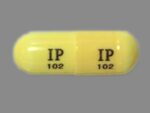
Quick answer: Ativan (lorazepam) dependence means your body has adapted to the drug and reacts when the dose drops or stops. The main signs are needing more for the same effect, feeling anxious, shaky or sleepless between doses, and getting withdrawal symptoms when a dose is missed. Dependence can develop even when Ativan is taken exactly as prescribed, and stopping suddenly can be dangerous, so any change should be planned with your prescriber.
Medical disclaimer: this article is educational and does not replace advice from a licensed clinician. Do not change or stop your medication without speaking to your prescriber.
In This Guide
- How Ativan dependence usually starts
- Dependence, tolerance and addiction: three different things
- The warning signs, sorted by where they show up
- The “between-dose” test
- Who is more likely to become dependent
- Everyday habits that speed dependence up
- A rough timeline of how dependence unfolds
- Common myths that delay getting help
- Why quitting cold turkey is the one big mistake
- What a safe taper looks like
- How to bring it up with your doctor
- If you are worried about someone else
- Emergency signs that need urgent care
- Frequently asked questions
How Ativan Dependence Usually Starts
Very few people notice the moment dependence begins. There is rarely a dramatic turning point. It tends to look like an ordinary story: a short prescription for a rough month, a refill because the anxiety has not settled, and then a slow realization that the pill has become the thing holding the day together.
That slow slide is exactly why it helps to know the signs in advance. Ativan is the brand name for lorazepam, a benzodiazepine that calms the nervous system by boosting a brain chemical called GABA. It works fast and it works well, which is also what makes it easy to lean on. The brain is very good at adjusting to a steady chemical push. When it adapts, it dials down its own calming signals, and the drug becomes necessary just to feel normal.
The U.S. Food and Drug Administration took this seriously enough to require updated boxed warnings, its strongest label warning, across the whole benzodiazepine class. The warnings spell out the risks of abuse, misuse, addiction, physical dependence and withdrawal reactions. You can read the agency’s announcement on the FDA’s benzodiazepine boxed warning page.
If you are comparing Ativan with other medicines in the same family, our breakdowns of Xanax vs Ativan and Ativan vs Klonopin explain how their strengths and durations differ.
Dependence, Tolerance and Addiction: Three Different Things
These words get used as if they mean the same thing. They do not, and mixing them up causes needless shame and needless risk. Someone can be physically dependent without being addicted, and understanding the difference makes it easier to ask for help.
| Term | What it means | Typical example |
|---|---|---|
| Tolerance | The same dose produces a weaker effect over time | A dose that once eased panic for hours now wears off sooner |
| Physical dependence | The body has adapted and reacts when the drug is reduced or stopped | Shakiness, sweating and rebound anxiety when a dose is late |
| Addiction (substance use disorder) | Compulsive use despite harm, with loss of control | Taking extra doses, running out early, hiding use, prioritizing the drug over responsibilities |
The key point is that physical dependence is a predictable biological response to regular use. It is not a character flaw and not proof of addiction. Addiction involves behavior and loss of control, and it can overlap with dependence, but the two are separate. Both deserve attention, and both are treatable.
The Warning Signs, Sorted by Where They Show Up
Instead of one long list, it is easier to spot dependence by looking at three areas of life: what your body does, what your habits do, and what your mind does. A single sign on its own may mean little. A cluster is worth a conversation with your prescriber.
Signs in the body
- Withdrawal-type symptoms between doses. Tremor, sweating, a racing heart, headaches, muscle tension or stomach upset that ease soon after you take a dose.
- Needing more for the same effect. The original dose no longer seems to work, or it wears off noticeably earlier than before.
- Sleep that falls apart without it. You may find it impossible to fall asleep or stay asleep on nights you skip a dose, and the insomnia feels worse than what you had before treatment.
- Heightened sensitivity. Light, noise or touch may feel unusually sharp or irritating when the medicine is wearing off.
- Persistent fogginess or heavy drowsiness. Daytime sedation, slowed thinking, or clumsiness that lingers on a dose you once handled easily.
Signs in your habits
- Clock-watching. You track the hours until the next dose and feel uneasy as it approaches.
- Taking it earlier or more often than prescribed, even slightly, to head off discomfort.
- Running out early or asking for refills sooner than planned.
- Keeping a backup supply in a bag, car or desk drawer “just in case.”
- Feeling unable to travel, work or sleep somewhere unfamiliar without the medication within reach.
- Mixing it with alcohol or other sedatives to boost the effect. This is especially risky and is covered in the FDA label for the whole drug class.
Signs in your mind and mood
- Rebound anxiety. Anxiety that returns stronger than before, sometimes with new panic-like surges.
- Fear of stopping. The thought of going without a dose brings dread out of proportion to the original problem.
- Emotional flatness or irritability that was not there before treatment.
- Memory gaps and trouble concentrating, particularly short-term recall.
- A sense that you cannot cope without it, even on calm days.
Anxiety conditions can also cause physical symptoms by themselves, such as chest tightness or breathlessness. If that sounds familiar, our article on whether anxiety can cause shortness of breath explains the overlap, which is one reason a clinician is better placed than you are to sort out what is anxiety, what is withdrawal and what is something else.
The “Between-Dose” Test
Lorazepam is considered a short-to-intermediate-acting benzodiazepine. Its effects build quickly and fade over several hours, so people on regular doses can feel the drug “wearing off” during the day. That makes a simple self-check useful.
Over a week, write down the answers to three questions in a notebook or notes app:
- When do I feel worst: right before a dose, or at random times?
- Do symptoms like tremor, sweating or dread ease within an hour of taking a dose?
- Are the symptoms the same ones I had before I started the medication, or are they new?
If your worst moments cluster right before a dose and ease soon after, the pattern points toward interdose withdrawal rather than your original condition. If the symptoms are new, that points the same way. This is not a diagnosis, but it gives your prescriber something concrete and specific to work with, which is far more useful than “I just feel off.”
Who Is More Likely to Become Dependent
Anyone taking Ativan regularly can become physically dependent. The FDA label states that the risk rises with longer treatment and with higher daily doses. Some groups face added risk:
- People on daily, long-term use. Benzodiazepines are generally intended for short courses. Months or years of daily use raises the stakes considerably.
- People taking higher doses, or who have needed repeated increases.
- Anyone with a personal or family history of substance use or alcohol use disorder. Prescribers are advised to assess misuse risk before and during treatment.
- People with untreated anxiety, trauma or insomnia, where the drug starts to function as the only coping tool.
- People taking other sedating medicines, including opioids, sleep medicines and some pain or muscle-relaxant drugs.
- Older adults, who clear the drug more slowly and are more sensitive to its effects. See our guide on Ativan in elderly patients for details.
Everyday Habits That Speed Dependence Up
Beyond the risk groups above, a few ordinary habits quietly push things along:
- Using Ativan “as needed” so often that it becomes daily. A pill meant for occasional panic that turns into a routine afternoon dose is a classic path.
- Treating sleep problems with it night after night. If sleep is the main issue, compare options in articles such as Ambien vs trazodone, and remember that sleep medicines carry their own dependence concerns, as explained in can you get addicted to Ambien.
- Combining it with a drink to “take the edge off.” Alcohol and benzodiazepines amplify each other. The same logic applies across the class, as shown in our piece on Valium and alcohol.
- Skipping the follow-up appointments where the plan should be reviewed.
- Never having a stop date. Without an end point written into the plan, short-term prescriptions drift into long-term ones.
A Rough Timeline: How Dependence Tends to Unfold
Every person is different, so treat this as a general pattern rather than a schedule. It helps to see how the signs stack up over time.
- First days to weeks: The drug works as intended. Anxiety eases, sleep improves, and side effects like drowsiness may fade as the body adjusts.
- Weeks to a few months of regular use: The brain begins compensating. Some people notice the effect shortening, or a mild unease as the dose wears off. This is often the first quiet hint of tolerance.
- Several months and beyond: Missed or late doses cause clear physical symptoms. Dose increases may be requested. The original problem can feel worse than before treatment because withdrawal and the underlying condition blur together.
- At a dose reduction or stop: Withdrawal symptoms appear, often within a day or two for a medicine with a shorter half-life like lorazepam, and they can be intense if the reduction is too fast.
The practical takeaway: the earlier you notice the pattern, the easier it is to reverse. A conversation at the three-month mark is far simpler than one after years of daily use.
Common Myths That Delay Getting Help
“I only take what my doctor prescribed, so I can’t be dependent.”
Dependence is a function of biology and time, not of rule-breaking. It can happen on a perfectly legitimate prescription.
“If I were really dependent, I’d be taking pills all day.”
Not necessarily. Someone taking a modest dose once or twice daily can be physically dependent and still look entirely “functional” from the outside.
“Needing it means my anxiety is severe.”
Sometimes the reverse is true. The anxiety you feel between doses may be partly withdrawal, which makes the underlying condition look worse than it really is.
“Tapering means I’ll feel terrible for months.”
A slow, individualized taper is designed to avoid exactly that. Many people find the process manageable when it is paced to their symptoms and supported with therapy and sleep strategies.
“Switching to a herbal or over-the-counter sleep aid is a safe shortcut.”
Not without advice. Some supplements and antihistamine sleep aids add sedation or interact with other medicines. Ask your prescriber or pharmacist before swapping anything.
Why Quitting Cold Turkey Is the One Big Mistake
If you have recognized yourself in the lists above, the instinct to throw the pills away can be strong. Resist it. Abruptly stopping a benzodiazepine after regular use can trigger withdrawal that, in the words of the FDA warning, can be life-threatening, including seizures. Lorazepam labeling advises that the drug be discontinued by gradual dose reduction, not suddenly.
Typical withdrawal symptoms include:
- Intense anxiety, panic and agitation
- Insomnia and vivid dreams
- Tremor, sweating and a fast heartbeat
- Muscle pain and stiffness
- Nausea and diarrhea
- Sensory sensitivity and a feeling of unreality
- In more serious cases, confusion, hallucinations and seizures
For some people, acute symptoms settle within a few weeks, while others have a longer tail of lingering symptoms such as anxiety waves and sleep disruption. Severity depends on the dose, the length of use, how fast the dose is cut and individual biology. The safest route is always a medically supervised plan. If you have also taken sleep medicines, our article on Ambien withdrawal shows how similar the experience can be.
What a Safe Taper Looks Like
A taper is a planned, gradual reduction. There is no single schedule that fits everyone, but the principles are consistent across current clinical guidance:
- It is individualized. Your prescriber considers your dose, how long you have taken it, your health and your history.
- It is gradual. Many clinical protocols reduce the dose by a small percentage every couple of weeks, then slow down toward the end, where it often feels hardest.
- It is flexible. If symptoms flare, the pace can pause or slow. A taper is not a race and pausing is not failing.
- It may involve switching to a longer-acting benzodiazepine. Some clinicians do this to smooth out the ups and downs, although this is a clinical decision, not something to improvise.
- It includes non-drug support. Cognitive behavioral therapy, sleep strategies, relaxation training and regular exercise all help, and they help more when started before the taper begins.
- It treats the original problem. If the Ativan was covering anxiety or insomnia, that condition needs a long-term plan, which may include other medicines. For a non-benzodiazepine option, see our comparison of Ativan vs buspirone.
For a clinician-oriented view of the process, see the MedlinePlus lorazepam drug information page, which covers precautions and what to do if you miss a dose. For tapering protocols, professional bodies such as the American Society of Addiction Medicine publish guidance that your prescriber may consult.
Habits that make a taper easier
- Keep a symptom diary so patterns are visible to you and your doctor.
- Protect sleep: consistent wake time, dim light in the evening, no screens in bed.
- Limit caffeine, which can mimic and magnify anxiety symptoms.
- Avoid alcohol entirely during a taper.
- Tell one trusted person what you are doing so you are not carrying it alone.
How to Bring It Up With Your Doctor
Many people delay the conversation because they fear being judged or being labeled “a drug seeker.” In reality, a prescriber who hears “I think my body has become dependent” is hearing something responsible, not suspicious. Some openers that work:
- “I’ve noticed I feel worse right before my next dose, and I’m worried I’m becoming dependent.”
- “I’d like to talk about a plan for coming off this medication safely.”
- “The dose doesn’t seem to last as long as it used to. What are my options?”
Bring your symptom notes, a list of everything you take (including supplements, alcohol and over-the-counter products) and a clear question. Ask specifically about a written taper plan, what to do if symptoms flare, and whether therapy or another medicine could cover the original condition.
If You Are Worried About Someone Else
Watching a friend or relative struggle can be painful, and blunt confrontation often backfires. A few principles help:
- Pick a calm moment, not when they are sedated, stressed or intoxicated.
- Describe what you have seen rather than labeling them. “I’ve noticed you seem shaky in the evenings and you’ve been worried about running out” lands better than “you’re addicted.”
- Do not urge them to stop abruptly. Encourage a conversation with their prescriber.
- Offer practical help, such as going to an appointment together or helping look up support services.
- Look after yourself too. Support groups for families exist for a reason.
In the United States, the SAMHSA National Helpline offers free, confidential, 24/7 treatment referral and information at 1-800-662-4357. If you are in India or elsewhere, your local health department or a licensed psychiatrist can point you to services.
Emergency Signs That Need Urgent Care
Seek emergency help immediately if you or someone else has:
- A seizure
- Severe confusion, hallucinations or loss of awareness
- Very slow or shallow breathing, blue lips or inability to wake up (especially if alcohol, opioids or other sedatives were involved)
- Thoughts of suicide or self-harm
Call your local emergency number. In the US, call 911, and for emotional crises you can call or text 988 to reach the Suicide and Crisis Lifeline.
Frequently Asked Questions
How long does it take to become dependent on Ativan?
There is no fixed timeline. Physical dependence can begin after a few weeks of regular use, and the risk increases with higher doses and longer treatment. Some people notice it sooner, others later. Taking it daily rather than occasionally is the biggest factor.
Can you become dependent if you take Ativan exactly as prescribed?
Yes. The boxed warning explicitly notes that dependence and withdrawal can occur even when the medicine is taken as directed. That is why prescribers aim for the lowest effective dose for the shortest possible time.
What is the difference between dependence and addiction on Ativan?
Dependence is a physical adaptation: your body reacts when the drug is reduced. Addiction is a pattern of compulsive use despite harm, often involving cravings, loss of control and taking more than intended. A person can have one without the other, or both together.
How can I tell if my symptoms are withdrawal or just my anxiety returning?
It is hard to tell without help. Withdrawal often brings physical symptoms such as tremor, sweating and a racing heart, plus new sensory sensitivity, and it tends to peak at predictable times after a dose or a dose reduction. Returning anxiety usually looks like your original symptoms. A clinician can help distinguish the two.
Is it safe to stop Ativan on my own if I only take it sometimes?
If you take it only occasionally and have never had withdrawal symptoms, stopping is usually low risk, but check with your prescriber to be sure. If you have been taking it daily or have noticed symptoms between doses, do not stop suddenly.
Can I take Ativan with alcohol or opioids?
No. Combining benzodiazepines with alcohol or opioids can cause profound sedation, slowed breathing, coma and death. This is one of the central boxed warnings on the label.
Are there non-habit-forming alternatives for anxiety?
Yes. Options include SSRIs and SNRIs, buspirone, certain non-drug therapies like CBT, and in some cases other medicines your prescriber may suggest. Each has its own pros and cons, and none work instantly the way benzodiazepines do.
Does dependence mean I will need Ativan forever?
No. Many people successfully taper off with medical support and structured help for the underlying anxiety or sleep problem. A slow, steady reduction offers the best chance of comfort and success.
Key Takeaways
- Ativan dependence is a predictable biological adaptation, not a moral failing, and it can occur at prescribed doses.
- Look for clusters of signs: symptoms between doses, rising tolerance, clock-watching, early refills and rebound anxiety.
- Do not stop suddenly. Abrupt discontinuation can cause serious withdrawal, including seizures.
- A supervised, gradual taper plus therapy and lifestyle support gives the best results.
- Never combine Ativan with alcohol or opioids.
- Talk to your prescriber early. The sooner the conversation starts, the more options you have.
Sources and Further Reading
- U.S. FDA: Boxed warning updates for the benzodiazepine class
- MedlinePlus: Lorazepam
- SAMHSA National Helpline
- DailyMed: current Ativan (lorazepam) prescribing information