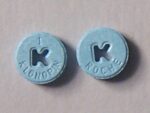
If you have ever been prescribed something for anxiety, panic attacks, or even muscle spasms, there’s a good chance you have heard these two names floating around.
They’re both benzodiazepines (often just called benzos), and from the outside they can seem… basically the same. Same drug “family”, both can calm you down, both can cause dependence, both have warnings attached to them.
But they are not interchangeable in a simple way.
The differences matter. Like, a lot more than people think.
This is a practical, real world comparison of Klonopin (clonazepam) vs Valium (diazepam), focusing on how they feel in the body, how long they last, what they’re commonly used for, and what to ask your clinician if you’re stuck choosing between the two.
Quick note before we get into it: I’m not a doctor, and this is not medical advice. Benzos can be risky, especially with alcohol, opioids, or if you’ve had substance use issues in the past. If you’re taking either medication, do not change your dose or stop suddenly without medical guidance.
What they have in common (so we’re on the same page)
Both Klonopin and Valium are benzodiazepines. They work mainly by boosting the effect of GABA, a calming neurotransmitter in the brain. That’s the shared core.
So both can:
- reduce anxiety and panic symptoms
- relax muscles
- make you sleepy
- slow reaction time and impair coordination
- cause tolerance (needing more for the same effect)
- cause physical dependence, and withdrawal if stopped abruptly
Also, both are controlled substances in many countries because of misuse potential.
Ok. Now the differences.
The biggest difference: how long they last
This is the one that drives most of the practical day to day differences.
Valium (diazepam) lasts a long time, and it lingers
Valium is known for having a long half life, and it also has active metabolites (breakdown products) that stick around too.
So even if you feel the main “kick” wear off, the drug is often still in your system for a while. Sometimes a long while.
That can be good if you need smoother coverage. But it can also mean:
- more next day grogginess for some people
- more accumulation if taken regularly
- drug interactions that matter for longer
- it may show up on drug testing longer (depends on many variables)
Klonopin (clonazepam) also lasts a long time, but usually feels steadier
Klonopin is also considered long acting compared to many benzos, but it’s often described as more “even” and less swingy than some others.
In practice, many clinicians like clonazepam when they want:
- longer anxiety control without frequent redosing
- a medication that can cover panic symptoms for most of the day
Still, even though it’s “steady”, it can absolutely cause sedation and next day effects in some people.
Simple way to think of it:
- Valium tends to linger because of metabolites and long elimination.
- Klonopin tends to hold because of long duration and steady effect.
Not scientific language, but it’s often how it plays out.
Onset: which one kicks in faster?
Speed of onset matters if you’re dealing with sudden panic or acute anxiety spikes.
- Valium typically has a faster onset for many people.
- Klonopin can be a bit slower to kick in, though it still works fairly quickly compared to many non benzo anxiety meds.
This is one reason Valium is sometimes used in situations where rapid calming is needed, including certain acute medical settings (under supervision).
But faster isn’t always better. Faster onset can also mean it feels more reinforcing, and that can matter for misuse risk.
Potency: mg for mg, they are not the same
This is where people get tripped up. A dose in milligrams does not translate directly between benzos.
Very roughly speaking, clonazepam is more potent per milligram than diazepam.
So:
- a “small” Klonopin dose might be comparable to a higher milligram number of Valium, depending on the conversion chart a clinician uses.
Do not use that fact to DIY conversions. Clinicians convert cautiously for a reason. Individual response varies a lot.
What they’re commonly prescribed for
Both can be used for anxiety, but each has areas where it’s more common.
Klonopin is commonly used for
- panic disorder (including recurrent panic attacks)
- seizure disorders (it’s also an anticonvulsant)
- sometimes social anxiety or severe generalized anxiety, usually short term or as a bridge
Klonopin shows up a lot in panic related prescribing because it can cover symptoms for longer without needing repeat doses throughout the day.
Valium is commonly used for
- acute anxiety (short term, situational)
- muscle spasms and muscle spasticity
- alcohol withdrawal (in supervised medical detox settings)
- procedural sedation in some contexts
- sometimes tapering off benzos, because its long action can make reductions smoother for certain patients
Valium’s muscle relaxing properties and long half life make it show up in more “physical” indications too, not just psychiatric ones.
Anxiety and panic: how they can feel different
This part is subjective, but it’s also what most people care about.
Some people describe Valium as:
- more “body calming”
- loosens muscle tension noticeably
- can feel warm or heavy
- sometimes a bit foggy
Some people describe Klonopin as:
- more “mind calming”
- less of a rush, more of a leveling out
- can feel emotionally flattening to some
- sometimes less sedating than Valium at equivalent anxiety relief, but not always
None of this is guaranteed. Two people can take the same medication and have totally different experiences.
Also, dose matters. Sleep, caffeine, alcohol, other meds, liver function, age. It’s a messy equation.
Muscle relaxation: Valium tends to win here
If the main complaint is muscle spasm or tightness, Valium is often preferred clinically.
Klonopin can relax muscles too, but Valium has a stronger reputation (and more common use) for:
- acute muscle spasm
- back spasms
- neck spasm
- certain neurologic spasticity issues (again, under medical care)
This doesn’t mean Valium is “better”. It means it may match the symptom profile more directly.
Seizure treatment: Klonopin has a clearer role
Klonopin is used more directly in seizure disorders as part of anticonvulsant treatment plans.
Valium can also be used in seizures, especially in emergency forms (like rectal diazepam), but in long term management, clonazepam is more established as an ongoing anticonvulsant for some seizure types.
Again, not a self treat area. Just explaining why you see Klonopin show up in neurology contexts.
Side effects: overlap, with some differences in how they show up
Both medications can cause:
- drowsiness
- dizziness
- slowed thinking and reaction time
- memory problems (including anterograde amnesia in some cases)
- reduced coordination and higher fall risk, especially in older adults
- mood changes (irritability, emotional blunting, sometimes depression)
But because Valium can hang around, some people notice:
- more persistent sedation
- more “hangover” effect
- more cumulative tiredness when taken daily
With Klonopin, some people report:
- feeling dulled or emotionally flattened
- less obvious sedation but more quieting of mental energy
- in some cases, a harder time stopping due to rebound anxiety (this can happen with any benzo, but patients sometimes describe clonazepam withdrawal as particularly unpleasant)
Not universal. Just patterns that come up.
Dependence and withdrawal: both carry risk
This part matters. A lot.
If you take benzodiazepines daily for a while, the brain adapts. That can lead to:
- tolerance
- dependence
- withdrawal symptoms if you reduce too quickly or stop abruptly
Withdrawal can include anxiety, insomnia, tremor, agitation, nausea, perceptual disturbances, and in severe cases seizures. That’s why medical supervision is not optional if you’ve been on a benzo regularly.
Is one “easier” to stop?
People argue about this online constantly.
Clinically, Valium is often used to taper because its long half life can smooth out blood level drops, which can reduce the intensity of interdose withdrawal in some patients.
But that does not mean Valium is “safe” or “easy”. It can still be very difficult to discontinue.
Klonopin is also long acting and is sometimes tapered directly without switching. What’s “best” depends on:
- your dose and duration
- your symptoms
- prior withdrawal history
- other medications
- your clinician’s approach and experience
If you’re thinking about tapering, the big idea is usually slow reductions, planned, with monitoring. Not white knuckling it.
Drug interactions and safety stuff people underestimate
This is where things get dangerous fast.
Alcohol + benzos
Mixing alcohol with either Klonopin or Valium can increase sedation and respiratory depression risk. Blackout risk goes up. Accidents go up.
Opioids + benzos
This combination is strongly associated with overdose risk. Many guidelines warn against co prescribing unless absolutely necessary, with close monitoring.
Other sedating meds
Sleep meds, some antihistamines, some antipsychotics, muscle relaxants. It can stack.
Driving and work safety
Even if you feel “fine”, your reaction time and coordination can still be impaired. Especially early in treatment, after dose changes, or if you did not sleep well.
Pregnancy and breastfeeding considerations (brief but important)
Benzodiazepines in pregnancy and breastfeeding are complicated and should be discussed with an OB and prescribing clinician.
Potential concerns include:
- fetal exposure risks depending on timing and dose
- neonatal sedation or withdrawal symptoms in some cases
- infant sedation with breastfeeding for some medications
Sometimes the risk of untreated severe anxiety or seizures is also serious. So it’s not about fear. It’s about making a careful plan with professionals.
Which one is “stronger”?
People usually mean one of three things when they ask this:
- More potent per mg?
- Klonopin is generally more potent per mg.
- Feels more sedating?
- Depends on the person and dose. Valium often feels more physically sedating to many, but not always.
- Works better for my anxiety?
- Entirely individual. Some people do better on one than the other, even at equivalent doses.
So the honest answer is: “stronger” isn’t a clean question here.
A simple decision guide (the kind you can take to your next appointment)
Not a rulebook. Just a way to frame the conversation.
Valium might be considered when:
- anxiety is acute and short term, like a temporary situation
- muscle spasm is a major issue
- you need a longer tail and smoother taper potential (under supervision)
- there’s a specific indication like alcohol withdrawal management (medical setting)
Klonopin might be considered when:
- panic disorder is a main target symptom
- you need steadier all day coverage without frequent redosing
- seizure management is part of the picture
- you have had issues with shorter acting benzos wearing off too fast
And again, even if one “fits” on paper, your body might vote differently.
Questions worth asking your clinician (seriously, these help)
If you’re deciding between Klonopin and Valium, or you’ve been switched, these questions can save you a lot of confusion:
- What symptom are we targeting specifically, panic attacks, baseline anxiety, muscle spasm, sleep?
- How long do you expect I’ll be on this medication?
- Should I take it daily or only as needed?
- What is the plan if it stops working (tolerance)?
- What’s the taper plan if I need to stop later?
- What should I avoid while taking it (alcohol, certain meds, driving)?
- Are there non benzo options we should try alongside or instead?
If the prescriber can’t answer these clearly, push for clarity. Politely, but push.
The bottom line
Klonopin and Valium are both benzodiazepines, and they overlap in a lot of ways. But they’re different enough that the choice can change your day to day experience.
- Valium (diazepam) often kicks in faster, is commonly used for muscle spasm and certain withdrawal protocols, and it can linger due to active metabolites and long elimination.
- Klonopin (clonazepam) is generally more potent per mg, often used for panic disorder and seizures, and tends to feel steadier for all day symptom control.
Neither is “better” in general. The right one is the one that matches the problem you’re trying to solve, at the lowest effective dose, for the shortest reasonable time. With a plan.
If you want, tell me what you’re taking it for (panic attacks, generalized anxiety, sleep, muscle spasm, something else), and whether it’s meant to be daily or as needed. I can help you think through what questions to ask your prescriber and what differences might matter most in your situation.
FAQs (Frequently Asked Questions)
What are Klonopin and Valium, and how are they related?
Klonopin (clonazepam) and Valium (diazepam) are both benzodiazepines, a class of medications that enhance the calming neurotransmitter GABA in the brain. They are used to reduce anxiety, panic symptoms, relax muscles, and can cause sedation. Despite being from the same drug family, they have important differences in how they work and are prescribed.
How do Klonopin and Valium differ in terms of duration and effects in the body?
Valium has a long half-life and active metabolites that cause it to linger in the body for an extended time, which can lead to next-day grogginess and longer drug interactions. Klonopin is also long-acting but tends to provide a steadier, more even effect throughout the day without as much accumulation. This makes Klonopin preferred for longer anxiety control without frequent dosing.
Which medication acts faster: Klonopin or Valium?
Valium typically has a faster onset of action compared to Klonopin, making it suitable for rapid calming during acute anxiety or panic attacks. Klonopin works fairly quickly but is generally slower than Valium. However, faster onset can increase misuse risk due to its reinforcing effects.
Are Klonopin and Valium equally potent milligram for milligram?
No, clonazepam (Klonopin) is more potent per milligram than diazepam (Valium). This means a smaller dose of Klonopin may be equivalent to a higher dose of Valium. Because individual responses vary greatly, dose conversions should only be done cautiously by clinicians.
What conditions are Klonopin and Valium commonly prescribed for?
Klonopin is often prescribed for panic disorder, seizure disorders (as an anticonvulsant), social anxiety, and severe generalized anxiety typically short term or as a bridge treatment. Valium is commonly used for acute situational anxiety, muscle spasms or spasticity, alcohol withdrawal under supervision, procedural sedation in some contexts, and sometimes for tapering off benzodiazepines due to its long action.
What precautions should be taken when using Klonopin or Valium?
Both medications carry risks including tolerance, physical dependence, withdrawal symptoms if stopped abruptly, sedation impairing coordination, and potential dangerous interactions with alcohol or opioids. They are controlled substances due to misuse potential. Never change your dose or stop taking these medications without medical guidance.