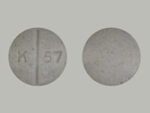
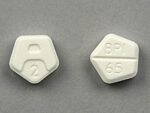
Picture a 78-year-old woman we will call Margaret. After her husband passed away, she started lying awake at night with a racing mind. Her doctor prescribed a small dose of Ativan (lorazepam) “just to take the edge off.” Three months later, Margaret is dizzy when she stands up, forgets conversations from the day before, and has already had one near-miss on the stairs. Nobody did anything careless here. The prescription was reasonable on day one. But the aging body handles sedative medications differently, and the trade-offs shift in ways that are easy to miss.
This is a very common story, which is why Ativan in elderly patients is one of the most closely watched topics in geriatric medicine. This guide explains what changes after 65, which risks deserve the most attention, when a doctor may still reasonably prescribe lorazepam, what safer alternatives exist, and how to stop the medication without causing withdrawal. It is written for older adults, family members, and caregivers who want clear, practical answers.
Quick Answer: Is Ativan Safe for Seniors?
Ativan can be used in older adults, but it is generally treated as a short-term, last-choice option rather than a routine one. The American Geriatrics Society advises avoiding benzodiazepines, including lorazepam, in most older adults because of higher risks of falls, fractures, confusion, delirium, and car crashes. When it is prescribed, the lowest possible dose for the shortest possible time, with regular reviews, is the standard approach.
What You Will Find in This Guide
- Why the same pill hits harder after 65
- What the Beers Criteria say about lorazepam
- The main risks, explained
- Who needs extra caution
- Dosing principles in older adults
- When doctors still choose Ativan
- Safer ways to treat anxiety and sleep problems
- Stopping Ativan safely
- Caregiver safety checklist
- Frequently asked questions
Why the Same Pill Hits Harder After 65
Ativan belongs to the benzodiazepine family. It works by boosting the effect of GABA, the brain’s main calming chemical, which slows nerve activity. In a 30-year-old, that produces relief from acute anxiety. In an 80-year-old, the same mechanism can slow thinking, balance, and reaction time far more than expected. Several age-related changes explain why.
The brain becomes more sensitive
Older brains tend to respond more strongly to sedatives at the same blood level. Pharmacologists call this increased pharmacodynamic sensitivity. In plain terms, even when the amount of drug in the bloodstream looks “normal,” the effect on alertness and coordination is larger.
Body composition shifts
With age, body fat generally rises and total body water falls. Because lorazepam is fat-soluble, this changes how the drug is distributed and how long its effects linger. Muscle mass also declines, which reduces the physical reserve that helps a person recover from a stumble.
Lorazepam has one genuine advantage, with limits
Unlike diazepam (Valium) or clonazepam (Klonopin), lorazepam is broken down through a process called glucuronidation rather than the liver’s CYP enzyme system, and it does not produce long-acting active metabolites. This makes it somewhat more predictable in people with liver problems or those taking many interacting medicines. That is a real benefit, and it is one reason clinicians sometimes prefer it to other benzodiazepines when one must be used. However, a more predictable drug is not the same as a harmless one. Its typical half-life is around 12 hours, so a dose taken in the evening can still affect balance and thinking the next morning.
Polypharmacy multiplies the effect
Many older adults take five or more medications. Blood pressure pills, pain relievers, antihistamines, sleep aids, and antidepressants can each add sedation or dizziness. Ativan layered on top can push someone past a safe threshold even though each individual prescription looked fine on its own.
What the Beers Criteria Say About Lorazepam
The American Geriatrics Society publishes the Beers Criteria, a widely used list of medications that are potentially inappropriate for people 65 and older. Benzodiazepines appear on it as a class, and lorazepam is included. The reasoning in the 2023 update is consistent with earlier versions: older adults are more sensitive to benzodiazepines and process long-acting ones more slowly, and these drugs are linked to cognitive impairment, delirium, falls, fractures, and motor vehicle crashes.
Importantly, the Beers Criteria are not a ban. They are a prompt for a conversation. The guidance recognizes a short list of situations where a benzodiazepine may still be appropriate, including seizure disorders, alcohol or benzodiazepine withdrawal, severe generalized anxiety that has not responded to other treatment, procedural anesthesia, and end-of-life comfort care. The criteria also advise avoiding the combination of a benzodiazepine with an opioid, and avoiding regimens that stack three or more central-nervous-system-active drugs.
You can read the AGS overview of the criteria on the American Geriatrics Society website.
The Main Risks of Ativan in Older Adults
1. Falls and fractures
Falls are the risk that most often changes lives. Benzodiazepines can cause dizziness, unsteadiness, slowed reflexes, and next-day drowsiness. A fall in an older adult is not just a bruise; a hip fracture can lead to hospitalization, loss of independence, and a significantly higher risk of death in the following year. Research across many studies has linked benzodiazepine use with a higher risk of falls and hip fractures. The risk tends to be highest in the first weeks after starting or after a dose increase, so early monitoring matters.
2. Confusion, memory problems, and delirium
Lorazepam can impair attention, short-term memory, and processing speed. In people who are hospitalized, sedatives are a well-known contributor to delirium, an acute state of confusion that can be frightening for patients and families. In people with existing memory loss, Ativan can make symptoms noticeably worse. If you want to understand how another sedative affects memory, our guide on Ambien and memory loss covers a similar concern.
There is also an ongoing scientific debate about whether long-term benzodiazepine use raises the risk of developing dementia. Some large observational studies found an association; others suggest the link may reflect early, untreated dementia symptoms (such as anxiety and insomnia) that led people to take the medication in the first place. The question is unresolved. What is not in dispute is that benzodiazepines can worsen cognition while they are being taken.
3. Over-sedation and slowed breathing
Ativan carries a boxed warning, the FDA’s strongest type, about combining benzodiazepines with opioids. The combination can cause profound sedation, respiratory depression, coma, and death. Alcohol creates a similar danger. For older adults with COPD, sleep apnea, or weakened lungs, even modest sedation can reduce breathing drive. Our article on Valium and alcohol explains how the same principle applies across the benzodiazepine class.
4. Driving and everyday accidents
Slowed reaction time and impaired concentration can persist for hours after a dose. Older adults who drive should discuss this directly with their prescriber. Other everyday hazards include cooking accidents, medication mix-ups, and nighttime bathroom trips, which are among the most common settings for a fall.
5. Tolerance, dependence, and withdrawal
In 2020 the FDA required updated boxed warnings across all benzodiazepines about abuse, misuse, addiction, physical dependence, and withdrawal reactions. Dependence can develop even when a person takes the medication exactly as prescribed, and the risk grows with higher doses and longer use. Stopping suddenly can trigger rebound anxiety, insomnia, tremor, and, in more serious cases, seizures. Because many older adults start Ativan “for a few weeks” and stay on it for years, planning an exit from the beginning is wise. You can read the FDA’s statement on the updated benzodiazepine boxed warning.
6. Paradoxical reactions
Occasionally, instead of calming a person, a benzodiazepine causes agitation, irritability, aggression, or disinhibition. This is called a paradoxical reaction, and it is more frequently reported in older adults and in people with dementia. If a loved one becomes more restless or combative after starting Ativan, tell the prescriber promptly rather than assuming the dose is too low.
Who Needs Extra Caution
Some older adults face a higher risk than others. The following situations should prompt a more careful risk-benefit discussion before Ativan is started or continued:
- A history of falls or fractures. Even one previous fall is a meaningful warning sign.
- Dementia or mild cognitive impairment. Sedatives can accelerate confusion and behavioral problems.
- Lung disease or sleep apnea. Breathing may become dangerously shallow, especially at night.
- Kidney or liver disease. Although lorazepam is less dependent on liver enzymes than some alternatives, illness can still alter how the body handles it.
- Frailty or low body weight. A standard dose may be proportionally larger.
- Regular alcohol use. Even one drink in the evening can amplify sedation.
- Taking opioids, sleep aids, muscle relaxants, antipsychotics, or other sedating drugs. Stacking these is where many serious events occur.
- Living alone. A night-time fall may go unnoticed for hours.
Dosing Principles in Older Adults
The prescribing information for Ativan advises caution in elderly or debilitated patients, with a lower starting range than is used in younger adults, often described as roughly 1 to 2 mg per day in divided doses, then adjusted carefully according to response and tolerability. Many geriatric specialists go even lower in practice, starting at 0.25 to 0.5 mg and increasing slowly only if clearly needed. Tablets are available in 0.5 mg, 1 mg, and 2 mg strengths, so a smaller dose may mean splitting a tablet, which your pharmacist can advise about.
Whatever the dose, certain principles apply:
- Start low, go slow. A smaller dose that works is better than a standard dose that merely “should” work.
- Define a stop date. Ask, “How long do we plan to use this, and when will we review it?”
- Avoid daily use when possible. Taking it only for specific, predictable situations lowers the risk of dependence, though this must be agreed with the prescriber.
- Never combine with alcohol or opioids unless a specialist has explicitly weighed and approved it.
- Re-check regularly. Every visit should include a question about falls, memory, and daytime sleepiness.
Do not adjust the dose yourself. The numbers above are for understanding, not for self-treatment.
When Doctors Still Choose Ativan for Older Adults
Despite the cautions, there are circumstances where lorazepam remains a sensible tool:
- Seizure emergencies. Lorazepam is a first-line treatment for prolonged seizures.
- Alcohol withdrawal. It is often chosen because it is more predictable in people with liver disease.
- Palliative and end-of-life care. Relieving severe anxiety, agitation, or breathlessness can be the priority.
- Before certain procedures. A single dose before an MRI or medical procedure for someone with severe claustrophobia.
- Severe, disabling anxiety. When other treatments have failed or are not tolerated, a short, closely supervised course may be justified.
- Bridging to another treatment. Occasionally used briefly while an antidepressant begins to work.
In each case, the key phrases are “short-term” and “supervised.” The problem is rarely a single appropriate dose; it is the quiet drift from “temporary” to “indefinite.”
Safer Ways to Treat Anxiety and Sleep Problems After 65
For most older adults with anxiety or insomnia, there are approaches with better long-term safety profiles. A good plan often combines several.
Therapy that works
Cognitive behavioral therapy (CBT) has strong evidence for late-life anxiety and does not carry the risks of sedatives. For sleep, CBT for insomnia (CBT-I) is recommended as the first-line treatment in major guidelines, and many people see lasting benefit that pills do not provide. Telehealth and digital programs have made it easier to access.
Non-benzodiazepine medications
Doctors often consider SSRIs or SNRIs for persistent anxiety. They take several weeks to work and are not risk-free in older adults; some can cause low sodium (hyponatremia), and certain ones need dose limits or heart monitoring. Another option is buspirone, a non-sedating anxiety medicine that does not cause dependence. We compare the two in detail in our article on Ativan vs buspirone. For sleep, low-dose options are chosen case by case. If you are curious how other sleep medications fare in seniors, read our guide to Ambien in older adults.
Treat the cause, not only the symptom
Anxiety and poor sleep in later life often have physical contributors that are easy to overlook:
- An overactive thyroid, heart rhythm problems, or breathing conditions that mimic or trigger anxiety. Our article on anxiety and shortness of breath helps separate the two.
- Chronic pain, restless legs, or frequent night-time urination.
- Side effects of other drugs, including steroids, decongestants, and some stimulants.
- Untreated hearing or vision loss, which can increase worry and isolation.
- Grief, loneliness, or depression.
Daily habits that matter
Regular daylight exposure, consistent sleep and wake times, daytime physical activity (even walking), limiting caffeine after midday, and keeping the bedroom cool and dark all have supportive evidence. These sound simple, but combined with therapy they can reduce or remove the need for sedatives altogether.
Stopping Ativan Safely: Deprescribing Without Withdrawal
If Margaret, or someone you love, has been taking Ativan for weeks or months, the answer is not to stop suddenly. Abrupt discontinuation after regular use can cause severe rebound anxiety, insomnia, sweating, tremor, confusion, and seizures. The safe route is a supervised, gradual taper.
How a taper typically works
- Stabilize first. The prescriber confirms the current dose and checks for alcohol, opioids, and other sedatives.
- Reduce in small steps. Reductions are commonly in the range of 5 to 10 percent every couple of weeks, though the pace is individualized. Some people need to go slower near the end.
- Pause if needed. If symptoms flare, the schedule can be held steady for a while before continuing.
- Add support. CBT and sleep-focused strategies make tapers more successful.
- Sometimes switch agents. Some clinicians transition to a longer-acting benzodiazepine before tapering, though lorazepam’s shorter half-life can also be tapered directly. This decision belongs with the prescriber.
Our article on how to taper off Ambien illustrates the same gradual principles used for other sedative-hypnotics.
What withdrawal can look like
Common symptoms include anxiety, irritability, difficulty sleeping, headache, muscle tension, sweating, and heart palpitations. More serious signs, such as hallucinations, severe confusion, or seizures, require emergency care. Most symptoms improve over days to weeks, but some people experience lingering symptoms for longer.
A Caregiver’s Safety Checklist
If you help care for an older adult who takes Ativan, these steps can make a real difference:
- Keep an updated medication list including over-the-counter products and supplements, and bring it to every appointment.
- Ask for a medication review. A pharmacist or geriatrician can screen for risky combinations and unnecessary drugs.
- Remove fall hazards. Loose rugs, poor lighting, clutter, and slippery bathroom floors are common culprits. Consider night lights and grab bars.
- Watch the first two weeks closely. Look for new sleepiness, unsteadiness, confusion, or personality changes.
- Control access. Use a pill organizer or locked storage if memory is an issue, to prevent accidental double dosing.
- Track alcohol. Even a glass of wine can change the safety equation.
- Do not stop abruptly, and do not let the supply run out without a plan.
- Plan the next review. Put a date on the calendar to reassess whether the drug is still needed.
Questions to Bring to the Appointment
- What exactly are we treating, and is there a non-drug option we should try first?
- What is the smallest dose that could work, and for how long?
- How does this fit with my other medicines, especially pain medication and sleep aids?
- What are the warning signs I should report right away?
- What is the plan to taper or stop?
When to Seek Medical Help
Call the prescriber promptly if you notice new confusion, repeated falls, extreme daytime sleepiness, unusual agitation, or memory changes after starting Ativan. Seek emergency care for very slow or shallow breathing, inability to wake the person, a seizure, severe chest pain, or a suspected overdose. In the United States, Poison Control can be reached at 1-800-222-1222.
Frequently Asked Questions
Is Ativan safe for a 70-year-old?
It can be used cautiously, but guidelines recommend avoiding benzodiazepines in most older adults when alternatives exist. If prescribed, it should be at the lowest effective dose for the shortest time, with regular review.
What is a safe dose of Ativan for elderly patients?
There is no single safe dose. Labeling suggests starting lower than in younger adults, and many specialists begin lower still. The right dose depends on health, other medications, and response, so it must be set by a clinician.
Does Ativan cause dementia?
Research has not settled this. Some studies link long-term benzodiazepine use to a higher dementia risk, while others suggest early dementia symptoms may lead to prescriptions. What is clear is that benzodiazepines can impair memory and thinking while in use.
Is Ativan better than Xanax or Valium for seniors?
Lorazepam has no long-acting active metabolites and is less reliant on liver enzymes, which can make it more predictable than diazepam. Still, all three share the same core risks in older adults. See our comparisons of Xanax vs Ativan, Ativan vs Klonopin, and Klonopin vs Valium for more detail.
Can an older adult take Ativan every night for sleep?
This is generally discouraged. Tolerance to the sleep effect develops quickly, while the risks of falls, confusion, and dependence continue. CBT-I and addressing underlying causes are preferred.
How long does Ativan stay in the system of an older person?
The typical half-life is around 12 hours, but it can be longer in older or frail individuals, so effects may last into the next day.
The Bottom Line
Ativan is a useful medicine in the right hands and the right moment, but the margin for error narrows with age. For older adults, the safest plan usually includes a clear reason for treatment, the lowest effective dose, a defined end date, protection against falls, and a genuine look at non-drug options. If you or a loved one is already taking Ativan, the next step is not to stop on your own; it is to have a frank conversation with the prescriber about whether it is still needed and how to reduce it safely.
Further Reading
- MedlinePlus: Lorazepam
- FDA: Boxed warning update for benzodiazepines
- American Geriatrics Society: Beers Criteria resources
Medical disclaimer: This article is for general education and is not a substitute for professional medical advice, diagnosis, or treatment. Never start, stop, or change a prescription without speaking with your doctor or pharmacist.