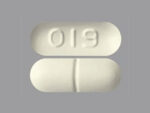
You took a Claritin and now you are watching the clock. Your nose is still running, your eyes are still itchy and you are wondering whether the pill is doing anything. How long should you wait?
The short answer is that Claritin (loratadine) usually starts to work within one to three hours, reaches its strongest effect later in the day, and lasts about 24 hours. But that simple answer hides a few details that matter: why it is slower than some other antihistamines, what can delay it, and how to time your dose so it works when you need it.
This guide is built around a clock. We will take you from minute zero through to the next morning, then look at the factors that speed or slow things down, and finally troubleshoot the case where you have waited and still feel nothing.
Quick answer: Claritin typically begins to work in 1 to 3 hours, peaks at roughly 8 to 12 hours, and lasts about 24 hours. It works best when taken regularly, ideally starting before allergy exposure. If you feel no change after a full day, or little improvement after one to two weeks of daily use, the cause is usually congestion, a different condition or timing, not a faulty tablet.
In This Article
- The Claritin Clock: An Hour-by-Hour Timeline
- Why Claritin Is Not Instant
- The Science of Timing in Plain English
- Realistic Timing Planner by Situation
- Myths About How Fast Claritin Works
- How Long Does Claritin Last?
- What Can Speed Up or Slow Down Claritin?
- Different Forms, Different Timing?
- Claritin Compared With Other Antihistamines
- How to Time Your Claritin for Best Results
- Claritin Not Working? A Troubleshooting Guide
- How to Tell Whether Claritin Is Really Working: A Two-Week Tracking Method
- Does Claritin Work Right Away for Hives?
- Is It Okay to Take a Second Dose If It Is Not Working Yet?
- Does Alcohol or Food Change the Timing?
- Timing Questions That Show Up in Other Medicines
- When to See a Doctor
- Frequently Asked Questions
- The Bottom Line
- Sources and Further Reading
The Claritin Clock: An Hour-by-Hour Timeline
| Time after the dose | What is happening | What you may notice |
|---|---|---|
| 0 to 30 minutes | The tablet dissolves and loratadine is absorbed from the gut | Usually nothing yet |
| 30 minutes to 1 hour | Loratadine reaches the bloodstream and the liver starts converting it to its active metabolite | Possibly the first hints of relief for some people |
| 1 to 3 hours | Blood levels are high enough to block histamine receptors | Typical window for noticeable relief |
| 3 to 8 hours | Effect builds as the active metabolite accumulates | Symptoms steady and calmer |
| 8 to 12 hours | Peak effect of the active metabolite | Usually the strongest relief |
| 12 to 24 hours | Effect gradually tapers | Still covered, though symptoms may creep back near the end |
| 24 hours and beyond | Time for the next dose | Take your next dose to stay covered |
These numbers are typical rather than guaranteed. Individual response, the form of the product and what else is going on in your body all shift the timeline.
Why Claritin Is Not Instant
Many people expect an allergy pill to work like a pain reliever, within minutes. Claritin works differently for three reasons.
- It needs to be absorbed. The tablet must dissolve and pass through your stomach and intestines first.
- Your liver activates it. Loratadine is converted into desloratadine, the active metabolite that does most of the long-lasting work. This takes time.
- It blocks, it does not remove. An antihistamine sits on receptors so histamine cannot bind. If histamine has already caused a flood of symptoms, the medicine prevents more from happening but cannot instantly reverse what has already begun.
This design is the price of its advantages: a once-a-day schedule and very little drowsiness. Older antihistamines like Benadryl act in 15 to 30 minutes but wear off within four to six hours and make you sleepy. For the trade-offs, read Claritin vs Benadryl.
The Science of Timing in Plain English
Pharmacists describe how fast a drug works using a few terms, and knowing them clears up a lot of confusion.
- Onset is when you first feel an effect. For Claritin that is typically one to three hours.
- Peak is when the effect is strongest. Because loratadine’s active metabolite builds up gradually, the strongest relief often comes many hours after the dose.
- Half-life is how long it takes for the amount of drug in your blood to fall by half. Loratadine’s half-life is roughly eight hours in healthy adults, while its active metabolite’s half-life is far longer, often more than a day.
- Steady state is the point where the amount of drug you take each day balances the amount your body clears. With daily dosing, this takes several days, which is why people often feel Claritin works better in week two than on day one.
This last point surprises many people. Because the active metabolite lingers, each daily dose stacks on what is left from the previous day. After a few days of regular use, your levels are smoother and your symptom control is steadier than after a single dose. It is one reason a one-tablet trial rarely tells the whole story.
Realistic Timing Planner by Situation
| Situation | Suggested timing |
|---|---|
| Outdoor event at 2 pm | Take Claritin at least 2 to 3 hours before, ideally at breakfast |
| Early morning run in pollen season | Take it the evening before, so peak effect overlaps with morning |
| Visiting a home with a cat or dog | Take it a few hours before arrival, and consider starting the day before |
| Spring allergy season starting soon | Start daily dosing one to two weeks ahead |
| Dusty attic or garage cleaning | Take a dose a few hours before, and wear a mask |
| Overnight flight to an area with different pollen | Take your usual daily dose; do not double up |
| Sudden hives | Take a dose now and see a doctor if swelling, breathing trouble or persistent hives occur |
| Child going to a classroom with a class pet | Ask the pediatrician about a daily schedule, using the correct dose for age |
Myths About How Fast Claritin Works
Myth: If it has not worked in an hour, it will not work. One hour is early. Give it up to three hours, and judge regular use over days.
Myth: Taking more will make it work faster. The dose is capped for a reason. A larger dose mostly raises side effects.
Myth: Chewing or crushing a tablet makes it work faster. Standard Claritin tablets are not meant to be crushed. If you want a faster-dissolving form, use the fast-dissolve or chewable version designed for that. Never crush “-D” extended-release tablets.
Myth: Claritin works instantly for a stuffy nose. Antihistamines mainly help sneezing, itching and runny nose. Congestion needs a different approach.
Myth: Claritin builds up in the body and becomes dangerous. At the labeled dose, the long-lasting metabolite is cleared steadily. Accumulation is mostly a concern for people with significant liver or kidney disease.
How Long Does Claritin Last?
One standard dose lasts about 24 hours for most people, which is why the label says to take it once every 24 hours.
The science behind that: loratadine itself has a half-life of around 8 hours, but its active metabolite, desloratadine, hangs around much longer, with a half-life of more than a day in many people. That is why a single tablet can cover a whole day of symptom control.
That said, the *felt* effect usually lasts a bit less than the measurable drug presence. Some people notice symptoms creeping back late in the day, particularly during heavy pollen exposure. That is not a reason to take a second tablet. Instead, consider moving your dose time, adding a nasal spray or eye drops, or looking at your exposure.
What Can Speed Up or Slow Down Claritin?
Things that can delay onset
- A heavy, fatty meal. Food can slow absorption slightly, so onset may take a bit longer. Loratadine can be taken with or without food, and for many people the difference is small.
- Poor gut absorption. Conditions or medicines that speed up or slow down gut movement can affect timing.
- Liver conditions. Because the liver activates the drug, significant liver impairment can change how it works.
- Certain medicines. Drugs that affect liver enzymes can alter levels. Some raise levels (certain antifungals, erythromycin, cimetidine), while others like St. John’s wort may lower them.
- Severe symptoms already in full swing. The more histamine has already been released, the less obvious the medicine’s effect seems at first.
Things that may help it work sooner or better
- Taking it regularly. Daily use during allergy season gives steadier coverage than occasional doses.
- Starting before exposure. Taking it a few days before pollen season, or a few hours before visiting a cat owner, lets it be in place when allergens arrive.
- Using the fast-dissolve tablet. These melt on the tongue and are convenient, though they are not dramatically faster. They still need to be absorbed in the gut.
- Taking it on an empty or light stomach. If you want the quickest absorption, a lighter stomach helps, but do not do this if it upsets you.
Different Forms, Different Timing?
| Form | What to know about timing |
|---|---|
| Standard 10 mg tablet | Typical 1 to 3 hour onset |
| Fast-dissolving tablet | Melts on the tongue; onset similar to tablets |
| Chewable tablets and liquid | Often slightly easier to absorb; onset similar |
| Liqui-Gel capsules | Dissolve in the stomach; onset similar |
| Claritin-D | Antihistamine acts in the usual time frame; the decongestant can relieve nasal congestion in as little as 30 minutes according to the manufacturer. See Claritin-D vs Claritin |
The form is mostly about convenience, not speed. If you need very fast relief, a different type of medicine, such as a nasal spray or eye drops, may act faster for specific symptoms.
Claritin Compared With Other Antihistamines
How does Claritin’s speed compare with the rest of the aisle?
| Antihistamine | Typical onset | Duration | Drowsiness |
|---|---|---|---|
| Claritin (loratadine) | 1 to 3 hours | About 24 hours | Very low |
| Allegra (fexofenadine) | About 1 hour | 12 to 24 hours depending on dose | Lowest |
| Zyrtec (cetirizine) | About 1 hour | About 24 hours | Low to moderate |
| Xyzal (levocetirizine) | About 1 hour | About 24 hours | Low to moderate |
| Benadryl (diphenhydramine) | 15 to 30 minutes | 4 to 6 hours | High |
If you want to compare Claritin with its closest rival, see Claritin vs Allegra. If speed is the priority, a faster second-generation option may suit you better, but it comes with different trade-offs.
How to Time Your Claritin for Best Results
For a known event
If you are about to visit a friend with a cat, mow the lawn or go to an outdoor wedding, take Claritin at least two to three hours before exposure. For a morning event, taking it the night before can work well because of its long duration.
For allergy season
Start taking Claritin daily one to two weeks before your usual season begins. This gives it time to be fully established, and it can reduce the severity of symptoms. Track pollen forecasts to choose your start date. For long-term use considerations, see can you take Claritin every day.
For a sudden flare
If symptoms hit without warning, take your dose and add measures that work immediately: rinse your nose with saline, wash your face and hands, change your clothes, use lubricating eye drops, and move away from the trigger. These help while the tablet kicks in.
Morning or night?
Because the effect lasts all day, both work. Evening dosing means peak effect around the next morning, which helps if you wake up congested. Morning dosing is simplest to remember. If Claritin makes you the slightest bit tired, try evening.
Claritin Not Working? A Troubleshooting Guide
You have waited a few hours and feel no different. Before you decide the medicine failed, work through this list.
Step 1: Check the clock
Has it been at least three hours? Give it that long before judging a single dose.
Step 2: Check your symptoms
Antihistamines work well on sneezing, itching, watery eyes and runny nose. They are much less effective on congestion. If a blocked nose is your main problem, Claritin may not seem to do much. A steroid nasal spray is often better, and for a short bridge, some people consider a decongestant, but check the cautions in Claritin and high blood pressure first.
Step 3: Check the dose and form
Is it the correct dose for your age? Did you swallow the tablet or lose it? Is it expired? See Claritin dosage for adults and children.
Step 4: Check your exposure
A heavy trigger load, such as a high pollen day, a dusty room or a pet in your bedroom, can overwhelm a standard dose. Reduce exposure at the same time you take the medicine.
Step 5: Check for other causes
Colds, sinus infections, asthma, nonallergic rhinitis and medicine side effects can mimic allergies. Fever, facial pain, thick colored discharge or wheezing point away from simple allergy.
Step 6: Give it a fair trial
Judge a medicine by one to two weeks of regular use, not one dose.
Step 7: Check interactions
St. John’s wort and certain seizure medicines can reduce loratadine’s effect. A pharmacist can check your list.
Step 8: Consider a switch or an add-on
If a fair trial fails, another antihistamine may suit you better, or adding a nasal spray or eye drops may do the trick. If nothing helps, see an allergist for testing.
How to Tell Whether Claritin Is Really Working: A Two-Week Tracking Method
“I think it helps a little” is a hard thing to judge. A simple diary turns a hunch into evidence and gives your doctor something useful if you need help.
- Pick four to five symptoms you care about, such as sneezing, runny nose, itchy eyes, nasal blockage and sleep quality.
- Score each from 0 to 3 at the same time every evening, where 0 is none and 3 is severe.
- Note the day’s context: pollen forecast, whether you were indoors or out, pets, cleaning, and when you took your dose.
- Do this for a week before starting if you can, to get a baseline, and then for two weeks on Claritin.
- Compare the averages. A drop of a point or more on your main symptoms usually means real benefit. No change in sneezing and itching suggests a different medicine, while a drop in everything except congestion suggests adding a nasal spray.
Bring the notes to a pharmacist or allergist. Clinicians can often choose a better next step from two weeks of scores than from a general description.
Does Claritin Work Right Away for Hives?
Hives respond to antihistamines, but the same timeline applies: one to three hours for onset. For mild, new hives, Claritin may start to calm itching within that window, although a faster-acting antihistamine is sometimes used on the first day under medical advice. For hives that persist, a regular daily schedule matters more than any single dose. Read Claritin for hives: does it help? for the full picture.
Is It Okay to Take a Second Dose If It Is Not Working Yet?
No. Taking a second dose within 24 hours does not make it work faster, and it increases the chance of side effects. The maximum over-the-counter dose is 10 mg in 24 hours for adults and children 6 and older. If you are not getting relief, consider changing the approach instead of the dose.
Does Alcohol or Food Change the Timing?
Food has a modest effect on absorption and does not stop Claritin from working. Alcohol does not appear to delay it but can worsen allergy symptoms through histamine and blood vessel effects, which may make the medicine seem slower. See Claritin and alcohol.
Timing Questions That Show Up in Other Medicines
If you have wondered about timing for other drugs, similar “how long until it works” questions apply to many medications. For comparison, our guides on how long Ativan takes to work and how long Celexa takes to work explain very different timelines, from under an hour to several weeks, which shows why you should always check the timing for each medicine on its own.
When to See a Doctor
Make an appointment if:
- You have used Claritin regularly for two weeks with no meaningful relief
- Symptoms are severe or interfere with sleep, work or school
- You have wheezing, chest tightness or shortness of breath
- Fever, facial pain or thick colored discharge appear
- You have hives that last longer than six weeks
- You need medicine most days of the year
Seek emergency care for swelling of the face, lips or throat, difficulty breathing, or a feeling of impending collapse.
Frequently Asked Questions
How long does it take for Claritin to start working?
Most people notice relief within one to three hours of taking a standard dose.
How long does Claritin last?
A single dose lasts about 24 hours.
Does Claritin work faster on an empty stomach?
Food can slightly slow absorption, but Claritin can be taken with or without food. If you want the fastest onset, a light stomach helps, as long as it does not upset you.
Is Claritin faster than Zyrtec?
Zyrtec usually starts working a bit faster, in about an hour, while Claritin takes one to three hours. The gap is small for most people.
Can I take Claritin in the morning and still be covered at night?
Yes. One dose generally lasts around 24 hours, though some people feel it fade toward the end of the day.
Why did Claritin work yesterday but not today?
Your exposure may be higher, your main symptom may be congestion, you may have an infection or you may have missed your timing. Check the troubleshooting steps above.
How long until Claritin reaches its full effect?
The effect of a single dose peaks around 8 to 12 hours. Regular daily use builds steadier control over the first days.
Do fast-dissolve Claritin tablets work faster?
They are convenient, but they still need to be absorbed in the gut, so onset is similar to a regular tablet.
The Bottom Line
Claritin is a steady, long-lasting antihistamine, not a quick fix. Expect relief in one to three hours, peak effect later in the day and coverage for about 24 hours. For best results, take it regularly, start before exposure and give it a full one to two weeks before you decide it is not for you. If your problem is mostly congestion, an antihistamine alone may not be enough.
For more medication timing and safety guides, browse our health tips library or contact us.
Sources and Further Reading
- MedlinePlus: Loratadine
- Claritin official FAQ
- Drugs.com: Allegra vs Claritin
- DailyMed: official FDA drug labels
Medical disclaimer: This article is for general education and does not replace advice from a doctor, pharmacist or other qualified health professional. Always read the product label and ask a clinician before starting or combining medicines, especially if you are pregnant, breastfeeding, older, or managing a long-term condition.