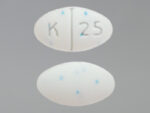
You open the pharmacy bag and find a small card of tablets. A friend got a different pack for what sounds like the same infection: hers had six tablets, yours has three. Did the pharmacist make a mistake? Is one stronger? Will yours work as well? This is one of the most common points of confusion about azithromycin, and the answer is reassuring. Both packs can deliver the same total amount of medicine, just on different schedules.
This guide to azithromycin dosage: 3-day vs 5-day courses explains how each regimen is built, which infections are typically matched to each, how doses work for children and for special situations, what to do if you miss a dose, and the questions to ask your pharmacist. All dosing information here reflects commonly published label guidance for general education. Your own prescription, written by a clinician who knows your health history, always takes priority.
The Fast Answer
- 5-day pack (Z-Pak): 500 mg on day 1, then 250 mg once daily on days 2 to 5. Total: 1,500 mg, typically as six 250 mg tablets.
- 3-day pack (Tri-Pak): 500 mg once daily for 3 days. Total: 1,500 mg, typically as three 500 mg tablets.
- Both courses deliver the same total dose. They differ in how it is spread out, and the choice depends on the infection, the patient, and the prescriber’s judgment.
- Because azithromycin lingers in tissues for days, the medicine keeps working after the last tablet.
Jump to a Section
- Why two schedules exist
- The two courses side by side
- Which infections use which course
- Does one work better?
- Other adult regimens
- Dosing in children
- Kidneys, liver, pregnancy, and older adults
- How to take each course
- Missed dose or vomiting
- Common dosing mistakes
- FAQ
Why Two Schedules Exist
Most antibiotics clear from the body within a day, so they must be taken daily for a week or longer to keep levels high enough to fight the infection. Azithromycin is different. After you swallow it, only a modest portion stays in the blood. The rest is pulled into tissues and white blood cells, where it concentrates and lingers. Its elimination half-life is commonly cited at about 68 hours, which is why a few days of dosing can protect you for a week or more.
Because of this long tail, researchers could explore different ways to deliver the same total amount. A published pharmacokinetic study in healthy volunteers compared 1,500 mg given as 500 mg daily for three days with 500 mg on day one followed by 250 mg daily for four days, and concluded that the standard 1,500 mg dose can be given over either schedule. In the United States, the five-day regimen became the best-known version, while the three-day regimen was widely adopted in Europe and later also became common in the U.S. for particular infections.
The Two Courses Side by Side
| Feature | 3-Day Course | 5-Day Course |
|---|---|---|
| Common name | Tri-Pak or 3-day pack | Z-Pak or 5-day pack |
| Day 1 | 500 mg | 500 mg (two 250 mg tablets) |
| Day 2 | 500 mg | 250 mg |
| Day 3 | 500 mg | 250 mg |
| Day 4 | none | 250 mg |
| Day 5 | none | 250 mg |
| Total dose | 1,500 mg | 1,500 mg |
| Tablet count | 3 tablets (500 mg each) | 6 tablets (250 mg each) |
| Daily peak level | Higher on each of the 3 days | Highest on day 1, then lower |
| Convenience | Shorter; fewer days to remember | Longer; a loading dose followed by smaller daily doses |
Pay special attention to the difference in the “front-loaded” shape of the five-day course. The first-day dose of 500 mg is a loading dose that quickly builds up tissue levels, and the smaller doses that follow maintain them. The three-day course gives that larger dose each day instead.
Which Infections Use Which Course
The U.S. prescribing information lists specific regimens for specific infections. In general terms, the pattern looks like this for adults:
| Infection | Commonly labeled regimen |
|---|---|
| Acute bacterial exacerbation of COPD or chronic bronchitis | 500 mg daily for 3 days, or 500 mg on day 1 then 250 mg daily on days 2 to 5 |
| Acute bacterial sinusitis | 500 mg daily for 3 days |
| Community-acquired pneumonia (mild) | 500 mg on day 1, then 250 mg daily on days 2 to 5 |
| Strep throat (pharyngitis/tonsillitis), second-line | 500 mg on day 1, then 250 mg daily on days 2 to 5 |
| Uncomplicated skin and soft tissue infection | 500 mg on day 1, then 250 mg daily on days 2 to 5 |
| Genital ulcer disease (chancroid) | Single 1 g dose |
| Non-gonococcal urethritis and cervicitis (chlamydia) | Single 1 g dose (note that doxycycline is now often preferred; see below) |
These are general label-based examples and not a substitute for your prescription. Guidelines evolve, and a clinician may choose a different drug or course based on your allergies, other medicines, local resistance patterns, and test results. For example, current CDC guidance recommends doxycycline as the preferred chlamydia treatment in most adults, while azithromycin remains an alternative and is especially useful in pregnancy. For the broader picture of what the drug treats, see our guide to azithromycin (Z-Pak) uses and how it works.
Does One Course Work Better Than the Other?
For the infections where both schedules are acceptable, research suggests they perform similarly. A retrospective study in adults hospitalized with atypical pneumonia compared a five-day regimen with a three-day regimen at the same total dose and found comparable success rates. Pharmacokinetic work in healthy volunteers has likewise shown similar overall drug exposure. Trials in children with respiratory tract infections have also found that three days of azithromycin performed as well as a much longer course of an alternative antibiotic.
That said, no single study decides which course is best for every patient. Clinicians weigh factors such as:
- The infection type and severity. The label ties certain schedules to certain diagnoses.
- Adherence. A shorter schedule is easier to finish, and finishing matters.
- Stomach tolerance. A larger daily dose may be harder on sensitive stomachs for some people, while others do better with fewer days of exposure.
- Formulary and availability. What the pharmacy stocks and what insurance covers sometimes plays a role.
- Heart and drug-interaction risk. If a patient has risk factors for QT prolongation, a clinician may avoid azithromycin or monitor carefully regardless of the schedule. Details are in our guide to azithromycin and heart rhythm.
Other Adult Regimens You Might See
Azithromycin is flexible, and doctors use several additional schedules depending on the condition. Examples drawn from standard references include:
- Single 1 g dose: used for certain sexually transmitted infections. A larger single dose can cause more nausea and loose stools.
- 500 mg on day 1 and 250 mg daily on days 2 to 5: the classic Z-Pak pattern, used for pneumonia, skin infections, and bacterial throat infections.
- 500 mg daily for 3 days: the Tri-Pak pattern.
- 500 to 600 mg daily: sometimes used for the treatment of Mycobacterium avium complex infections in people with advanced HIV, along with other drugs.
- 1,200 mg once weekly: used for prevention of Mycobacterium avium complex in certain people with HIV.
- Intravenous azithromycin: used in hospitals for more serious pneumonia, often for at least two days before switching to tablets.
- Long-term low-dose therapy: prescribed by specialists for certain chronic lung conditions to reduce flare-ups, with monitoring of hearing, heart rhythm, and other factors.
Dosing in Children
Children’s doses are based on body weight rather than fixed tablet strengths, and are most often given as an oral liquid. The numbers below reflect commonly published label frameworks. They are included so that parents can understand how the prescription is built, not to calculate a dose at home. A pediatrician or pharmacist should determine the exact volume and confirm it against the product in your hands, because suspension strengths vary (for example, 100 mg per 5 mL or 200 mg per 5 mL).
| Regimen | Typical weight-based framework |
|---|---|
| 3-day course | 10 mg per kg once daily for 3 days (maximum 500 mg per day) |
| 5-day course | 10 mg per kg on day 1 (maximum 500 mg), then 5 mg per kg once daily on days 2 to 5 (maximum 250 mg per day) |
| Single-dose option for certain ear infections | 30 mg per kg as one dose (maximum 1,500 mg) |
| Strep throat in children allergic to penicillin | Commonly 12 mg per kg once daily for 5 days (maximum 500 mg per day) |
A few practical points for parents:
- Always use the oral syringe or dosing cup that comes with the medicine, never a kitchen spoon.
- Shake the bottle well before every dose, and check the expiration time written on the label after the powder is mixed.
- If your child vomits soon after a dose, call the pediatrician or pharmacist. Do not repeat the dose on your own.
- Babies under six weeks should only receive azithromycin under close medical guidance, because of a rare association with infantile hypertrophic pyloric stenosis.
- For many ear infections and strep throat in children, amoxicillin is the first-line choice. Read about amoxicillin for ear infections in kids and amoxicillin for strep throat for context.
Special Situations
Kidney problems
No routine dose change is generally required for mild to moderate kidney impairment, though caution is advised when kidney function is severely reduced. Your clinician will decide.
Liver problems
Azithromycin is processed primarily through the liver and eliminated mostly in bile. Rare liver injury has been reported. Patients with significant liver disease should be monitored, and a different antibiotic may be chosen.
Pregnancy and breastfeeding
Azithromycin is commonly used in pregnancy when an antibiotic is needed, for example for chlamydia, because alternatives such as doxycycline are avoided. The dose is typically the same as for non-pregnant adults. Small amounts pass into breast milk, and the infant should be watched for diarrhea, rash, or irritability. Always confirm with an obstetric provider.
Older adults
No special adjustment is typically needed solely because of age, but older adults are more likely to take medicines that interact and to have heart rhythm risk factors. A medication review is wise. Also consider hydration if diarrhea occurs.
People taking interacting drugs
Medicines that prolong the QT interval, along with warfarin, digoxin, and colchicine, are examples that may require monitoring or an alternative plan. Do not adjust doses yourself.
How to Take Each Course
If you have the 5-day pack
- On day 1, take two 250 mg tablets together (500 mg total), unless your pack is labeled differently.
- On days 2 through 5, take one 250 mg tablet each day.
- Take it around the same time daily. The packaging typically labels the days.
If you have the 3-day pack
- Take one 500 mg tablet each day for three consecutive days.
- Try to take it at the same time each day.
General rules for both
- Tablets and standard oral suspension can be taken with or without food. Food may reduce nausea.
- Avoid taking aluminum- or magnesium-containing antacids at the same time. Spacing them by about two hours is commonly recommended.
- Swallow tablets whole with water, unless your pharmacist says otherwise.
- Finish the full course even if you feel better.
- Keep a note of the start date so you do not lose track.
What If You Miss a Dose or Vomit?
Missed dose
Take it as soon as you remember. If it is nearly time for the next dose, skip the missed one and carry on with the regular schedule. Do not double up to catch up. Because azithromycin lingers in the body, a single late dose is usually less critical than with short-acting antibiotics, but call your pharmacist for advice, particularly if you have missed more than one.
Vomiting after a dose
If you vomit very soon after taking a tablet, it may not have been absorbed. Do not automatically take another. Call your pharmacist or prescriber, who can tell you whether to repeat it based on timing.
Taking too much
If you or someone else takes more than prescribed, especially a child, contact Poison Control at 1-800-222-1222 in the United States or seek emergency care. Symptoms of excess may include severe nausea, vomiting, diarrhea, and hearing changes.
Common Dosing Mistakes to Avoid
- Mixing up the two packs. A 500 mg tablet is not interchangeable with 250 mg tablets unless the prescriber says so. Double-check the strength on the label.
- Stopping early. Many people stop after two or three days of feeling better, which can allow the infection to rebound.
- Taking leftover pills. Saved antibiotics are rarely the right drug, dose, or duration for a new illness.
- Doubling up. Taking two days’ worth at once increases side effects and does not speed recovery.
- Ignoring interactions. Antacids and other medicines can change how the drug works.
- Using azithromycin for viral illnesses. It will not help with colds, flu, or COVID-19.
- Measuring liquid with a household spoon. This can lead to under- or overdosing.
How Azithromycin Dosing Compares With Amoxicillin
Because amoxicillin is a frequent alternative, it helps to compare their rhythm. Azithromycin is front-loaded and short because of its long tissue half-life. Amoxicillin leaves the body quickly and is usually taken two or three times a day for five to ten days. If you want to compare doses and uses, read our guides to amoxicillin dosage and amoxicillin vs azithromycin.
Does Dose Change the Side Effects?
Stomach upset can depend on the size of each dose. Single large doses, such as 1 g, are more likely to cause nausea and loose stools than smaller divided amounts. Both the three-day and five-day courses have similar overall safety profiles. If you want a detailed breakdown of what to expect and when to call a doctor, see azithromycin side effects you should know. Alcohol is another frequent question; our guide to azithromycin and alcohol covers it.
Questions to Ask Your Pharmacist
- Is this the 3-day or 5-day course, and how many tablets do I take on each day?
- Should I take it with food?
- Do any of my other medicines or supplements interact with this?
- What should I do if I miss a dose or vomit?
- When should I expect to feel better, and when should I call the doctor?
A Simple Dosing Calendar You Can Copy
Many missed or doubled doses happen because people lose track of the day. Write the dates directly on your pack or on a sticky note. Here is an example for a course starting on a Monday. Replace it with your own schedule and tablet strengths as written on your label.
| Day | 5-day pack (250 mg tablets) | 3-day pack (500 mg tablets) |
|---|---|---|
| Monday | 2 tablets (500 mg) | 1 tablet (500 mg) |
| Tuesday | 1 tablet (250 mg) | 1 tablet (500 mg) |
| Wednesday | 1 tablet (250 mg) | 1 tablet (500 mg) |
| Thursday | 1 tablet (250 mg) | Finished |
| Friday | 1 tablet (250 mg) | Finished |
Set a phone alarm for the same time each day and keep the pack somewhere visible. If your label differs from this example, follow your label and ask the pharmacist to explain the difference.
A 30-Second Label Check at the Pharmacy Counter
Before you leave, confirm these details out loud with the pharmacist:
- The name and strength on the bottle or pack (azithromycin 250 mg or 500 mg).
- The number of tablets to take on day one and on each following day.
- The total number of days and the last day you should take a tablet.
- For liquids, the exact volume in milliliters and which syringe or cup to use.
- Whether the medicine should be taken with food and how far apart from antacids.
This brief check catches most errors, including the classic mix-up between a 500 mg tablet and a 250 mg tablet. It also gives you a chance to mention any heart condition, liver issue, or interacting medicine that the pharmacy computer may not know about.
Frequently Asked Questions
Is a 3-day azithromycin course as effective as a 5-day course?
For infections where both are approved, studies indicate that the two schedules deliver the same total dose and work similarly. The right choice depends on the infection and the prescriber’s judgment.
How many tablets are in a Z-Pak?
A standard Z-Pak contains six 250 mg tablets: two on the first day and one on each of the next four days.
Why do some people get azithromycin 500 mg for 3 days instead?
Some infections, such as acute sinus infections and COPD flare-ups, have a labeled three-day regimen. It is also easier to complete.
Can I stop azithromycin after 3 days of a 5-day course if I feel better?
Do not stop early without your prescriber’s approval. Feeling better does not always mean the infection is fully cleared.
What is the maximum dose of azithromycin?
This varies by condition. Typical short-course regimens total 1,500 mg, and some conditions use 1 g single doses or higher long-term daily dosing under specialist care. Never exceed what has been prescribed.
Can I take azithromycin once a day at any time?
Yes, but aim for roughly the same time daily and follow your pharmacist’s advice about food and antacids.
How long does azithromycin stay in your system?
With a half-life of roughly 68 hours, it can take about two weeks to be fully eliminated, even though the course lasts only a few days.
Can children take the same 3-day or 5-day course?
Children are dosed by weight, using the same schedule shapes but in milligrams per kilogram. A pediatrician or pharmacist determines the exact amount.
The Bottom Line
Whether you receive the 3-day or 5-day pack, you are generally getting the same 1,500 mg total in a different pattern, and thanks to azithromycin’s long half-life, the effect lasts well beyond the final tablet. What matters most is taking the right amount on the right days, completing the course, avoiding interactions, and getting help promptly if something does not feel right. If your pack looks different from what you expected, check with your pharmacist before the first dose rather than after.
Further Reading
- Pharmacokinetics of azithromycin 1,500 mg given over 3 or 5 days (PubMed Central)
- MedlinePlus: Azithromycin
- DailyMed: Official azithromycin labeling
Medical disclaimer: This article is for general education and is not a substitute for professional medical advice. Dosing must be individualized. Follow your prescriber’s instructions and the label on your own medicine.