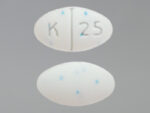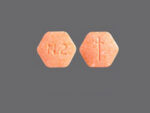
The short answer: amoxicillin and birth control can be taken together. Current evidence does not show that amoxicillin makes hormonal contraception less effective. The CDC’s 2024 U.S. Medical Eligibility Criteria (US MEC) put broad-spectrum antibiotics, the group amoxicillin belongs to, in category 1 for every method, which means no restriction. UK guidance from the Faculty of Sexual and Reproductive Healthcare (FSRH) agrees: non-enzyme-inducing antibiotics need no extra precautions.
There are two real exceptions. The first is if the illness or the antibiotic makes you vomit or gives you severe diarrhea while you’re on a pill. The second is a small group of drugs, led by the antibiotic rifampin, that genuinely speed up how your body clears contraceptive hormones. This guide follows the evidence trail from the first worried case reports to today’s guidelines, so you can see why the advice changed and when backup still makes sense.
Why the confusion? Your amoxicillin package insert may still say the drug can reduce the effectiveness of combined pills. That label wording dates from older theory. The guideline bodies that review contraception evidence for a living reached the opposite conclusion. Both facts are true at the same time, and this article explains how.
Jump to: Where the warning started · What the studies measured · Guidelines · The real risks · Drugs that do interfere · By method · Why your pharmacist may say backup · Checklist
Where the warning started
The idea that antibiotics and birth control don’t mix goes back to the 1970s. Pills in that era often carried higher doses of ethinyl estradiol, the estrogen in most combined pills, than many of today’s brands. Doctors began publishing scattered case reports of women who became pregnant while taking a pill and a course of antibiotics, most often penicillins such as ampicillin, or tetracyclines.
Around the same time, a stronger signal appeared with a different drug. Rifampin, used to treat tuberculosis, was clearly linked to pill failures. Researchers later showed why: rifampin switches on liver enzymes that break down contraceptive hormones faster. That finding was real, and it still holds. The trouble is that rifampin’s reputation spilled over onto antibiotics as a whole.
The gut-flora theory
To explain failures with ordinary antibiotics, scientists proposed a mechanism built on enterohepatic recirculation. Here is how the theory works:
- Your liver attaches a chemical tag (a conjugate) to ethinyl estradiol and sends some of it into bile, which empties into the gut.
- Gut bacteria snip that tag off, freeing the estrogen.
- The freed estrogen is reabsorbed into the bloodstream, adding a little to your circulating hormone level.
- The theory said a broad-spectrum antibiotic would kill those bacteria, cut the recycling, lower estrogen levels and let ovulation slip through.
Why it seemed so convincing
Every step of that chain is biologically real: estrogen does recycle through the gut, and antibiotics do change gut bacteria. Add a frightening outcome and a cheap fix (use condoms for a while), and the cautious advice spread onto drug labels and into pharmacy counseling.
What the case reports could not do was prove cause and effect. Pills fail even when no antibiotic is involved. According to the CDC, about 7 in 100 people using the pill become pregnant in a typical year of use, mostly because of missed or late pills. Some of those pregnancies will happen to fall during an antibiotic course just by chance. And people who are sick enough to need antibiotics are also more likely to vomit, have diarrhea or forget doses. A case report can’t separate those explanations. Measuring hormone levels can.
What the studies actually measured
Once researchers could measure contraceptive hormones in blood, they tested the theory directly, looking at hormone levels, ovulation markers and real pregnancy rates.
Hormone levels with ampicillin, amoxicillin’s close cousin
Ampicillin and amoxicillin are closely related penicillins that act on a very similar range of bacteria, which is why ampicillin data are used for amoxicillin questions. A 1982 study in the British Journal of Clinical Pharmacology followed 13 women on long-term combined pills who took ampicillin 500 mg three times a day. Seven were patients treated for cystitis or bronchitis and six were healthy volunteers.
Neither the estrogen (ethinyl estradiol) nor the progestin (levonorgestrel) changed significantly during ampicillin. Two women did show lower estrogen readings, which helped keep the debate alive for years. But cycle control stayed normal and progesterone stayed in a range that does not suggest ovulation. The authors concluded that most pill users on ampicillin did not need extra contraceptive precautions.
Why didn’t the theory hold? The recycled portion of estrogen turns out to be small compared with what you absorb from each daily pill. And the progestin, which does most of the work of blocking ovulation, does not depend on gut recycling in the same way. Supporting evidence came from an unexpected group: people with ileostomies, who lack the normal lower-gut recycling pathway, still had normal contraceptive hormone levels and protection.
Pregnancy rates in real users
Dermatologists cared most, since many acne patients take long antibiotic courses while on the pill. A 1997 study in the Journal of the American Academy of Dermatology (Helms and colleagues) reviewed records from three dermatology practices. Among women taking pills plus oral antibiotics (mainly tetracyclines and penicillins), there were 5 pregnancies over 311 woman-years, about 1.6% per year. In the comparison group taking pills alone, there were 12 pregnancies over 1,245 woman-years, about 0.96% per year.
That difference was not statistically significant, and both numbers sat within the range expected from the pill itself. The authors stressed that a baseline failure rate of roughly 1% a year or more exists no matter what else you take. A 2002 review in the same journal (Archer and Archer) pulled together the pharmacokinetic studies and concluded that the data did not support a reduced pill effect for antibiotics other than rifampin.
The 2018 CDC systematic review
The most complete look at the question came from CDC researchers. Simmons, Haddad, Nanda and Curtis published a systematic review of non-rifamycin antibiotics and hormonal contraception in the American Journal of Obstetrics and Gynecology in 2018. They screened 7,291 records through June 2016 and included 29 studies. The review was done to inform the U.S. MEC.
- Pregnancy: two studies found no difference in pregnancy rates between pill users who did and didn’t take non-rifamycin antibiotics.
- Ovulation: no study showed a change in ovulation suppression or breakthrough bleeding when an antibiotic was added. Ampicillin was among the drugs tested.
- Progestin levels: no significant drops in any study.
- Estrogen levels: total estrogen exposure fell only with dirithromycin, a macrolide antibiotic that is not amoxicillin and is rarely used.
The authors’ conclusion was that the evidence does not support an interaction for most women. They were honest about limits, too. The studies were small, covered mostly pills, emergency contraceptive pills and the vaginal ring, and left some antibiotic classes thinly tested. No studies looked at the patch, the shot or the implant. That honesty is part of why some clinicians still hedge, which we cover further down.
A newer “signal,” and why it didn’t change the guidance
In 2021, a study in BMJ Evidence-Based Medicine (Aronson and Ferner) looked at the UK’s Yellow Card database of voluntary side effect reports. Unintended pregnancy was reported more often with antibiotics than with a set of control medicines. The authors called this a signal worth investigating.
Voluntary report databases can’t show whether a drug caused an event, and this one didn’t confirm that the women were using hormonal contraception at all. Contraception organizations said it did not change the advice, though it helps explain why the debate lingers.
What major guidelines say about amoxicillin and birth control
Notice the split: guideline bodies say no extra precautions, while drug labels still carry older warning language.
| Source | Guidance on non-enzyme-inducing antibiotics like amoxicillin | Year |
|---|---|---|
| CDC, U.S. Medical Eligibility Criteria (US MEC) | Broad-spectrum antibiotics are category 1 (no restriction) for the combined pill, patch and ring, progestin-only pill, shot, implant and both IUDs | 2024 |
| CDC, U.S. Selected Practice Recommendations (US SPR) | No antibiotic-specific step; vomiting or diarrhea while on pills is handled with dedicated rules | 2024 |
| FSRH Clinical Effectiveness Unit (UK) | No additional precautions needed with non-enzyme-inducing antibiotics, unless vomiting or diarrhea occurs | 2022 |
| NHS (UK patient guidance) | States that amoxicillin does not stop any type of contraception working; warns about vomiting and severe diarrhea | Current |
| FDA label, amoxicillin | Section 7.4 says amoxicillin may affect gut flora and lower estrogen reabsorption, possibly reducing combined pill efficacy | Revised 01/2024 |
| FDA label, Augmentin (amoxicillin-clavulanate) | Same gut-flora wording in Section 7.4 | Revised 09/2016 |
You can read the CDC’s full eligibility tables in the 2024 U.S. Medical Eligibility Criteria report. The label language is visible in the amoxicillin prescribing information on DailyMed, alongside its other listed interactions (probenecid, blood thinners such as warfarin, and allopurinol).
Why the mismatch? Labels change slowly and tend to keep cautionary wording, while guidelines are rebuilt from systematic reviews on a regular cycle. Contraception experts follow the guidelines here. The UK’s patient-facing advice says it plainly: amoxicillin does not stop any type of contraception working.
The real risks to watch
If amoxicillin itself isn’t the problem, what is? A few things can genuinely affect your protection during an antibiotic course.
1. Vomiting or diarrhea on a combined pill
A pill only works if you absorb it. The CDC’s 2024 practice recommendations give these steps for vomiting or severe diarrhea while using combined pills:
- Vomiting or diarrhea within 24 hours of a hormonal pill, or lasting less than 48 hours: don’t take an extra pill. Keep taking pills at your usual time. No backup is needed. Emergency contraception usually isn’t needed but can be considered in some situations.
- Vomiting or diarrhea continuing for 48 hours or more: keep taking pills if you can, and avoid sex or use condoms until you’ve taken hormonal pills for 7 days in a row after symptoms end.
- If that 48-hour illness happened in the last week of active pills (for example, days 15 to 21 of a 28-day pack): skip the placebo pills and start a new pack the next day.
- If it happened in the first week of a new pack and you had unprotected sex in the previous 5 days: emergency contraception should be considered.
UK guidance uses slightly different cutoffs. The FSRH advises following missed-pill rules if you vomit within a few hours of a pill or have severe diarrhea for more than 24 hours. The NHS similarly flags severe, watery diarrhea or diarrhea lasting over 24 hours. Your pill packet insert will tell you which rule your brand follows, and a pharmacist can talk you through it.
2. Vomiting or diarrhea on a progestin-only pill
Progestin-only pills (“minipills”) have tighter windows, so the rules differ. Per the CDC’s progestin-only pill recommendations, if vomiting or diarrhea happens within 3 hours of taking a pill:
- Norethindrone or norgestrel pills (including over-the-counter Opill): take another pill as soon as you can, keep going daily, and avoid sex or use condoms until 2 days after the vomiting or diarrhea stops.
- Drospirenone pills (Slynd): take another pill as soon as you can. If symptoms continue for more than 24 hours, use condoms or avoid sex for 7 days after they end.
- Either type: if you had unprotected sex, emergency contraception should be considered.
3. Augmentin’s higher diarrhea rate
This is where the type of antibiotic does matter, just not for the reason most people think. Amoxicillin-clavulanate (Augmentin) causes more stomach upset than plain amoxicillin, because the clavulanate component is hard on the gut. The Augmentin prescribing information lists diarrhea or loose stools in 9% of people in clinical trials, plus nausea in 3% and vomiting in 1%. The label also notes that diarrhea became more common at higher doses.
So if you’re asking about Augmentin and birth control, the answer has the same shape: no direct hormone interaction, but a higher chance of the GI symptoms that trigger the rules above. Our comparison of amoxicillin and Augmentin covers why a prescriber might choose one over the other. Mild, short-lived loose stools usually don’t count. Repeated watery diarrhea does. For ways to reduce that risk, see our guide on managing diarrhea while taking amoxicillin.
4. The illness itself
When you’re feverish and run down, you may sleep through your usual pill time or lose track of the day. That’s a far more common cause of pill failure than any antibiotic. A phone alarm for the length of the illness is a simple safeguard.
Also, if you find you missed an antibiotic dose while juggling everything, that’s a separate question from your pill. Our article on what to do after a missed dose of amoxicillin walks through it. A missed amoxicillin dose does not affect your contraception.
Antibiotics and other drugs that DO interfere with birth control
The drugs that matter work through the liver, not the gut. They are “enzyme inducers”: they ramp up the liver enzymes that break down estrogen and progestins, so hormone levels drop. Unlike the gut-flora idea, this effect shows up clearly in hormone measurements. The table below shows CDC 2024 US MEC categories for the methods most affected. Category 3 means the risks usually outweigh the advantages; category 2 means the method can generally be used but may need extra attention.
| Drug or group | Combined pill, patch, ring | Progestin-only pill | Implant | Shot (DMPA) | IUDs |
|---|---|---|---|---|---|
| Rifampin or rifabutin (TB and related infections) | 3 | 3 | 2 | 1 | 1 |
| Certain anticonvulsants: phenytoin, carbamazepine, barbiturates, primidone, topiramate, oxcarbazepine | 3 | 3 | 2 | 1 | 1 |
| Lamotrigine (seizures, bipolar disorder) | 3 | 1 | 1 | 1 | 1 |
| St. John’s wort (herbal supplement) | 2 | 2 | 2 | 1 | 1 |
| Some HIV medicines (for example, fosamprenavir) | Varies by drug; checked case by case | ||||
| Broad-spectrum antibiotics (amoxicillin, Augmentin and others), antifungals, antiparasitics | 1 | 1 | 1 | 1 | 1 |
A few details are worth spelling out:
- Lamotrigine runs the other way. Combined hormonal methods can lower lamotrigine levels, which can affect seizure control. That’s why it’s category 3 only for combined methods.
- Griseofulvin, an older antifungal for scalp and nail infections, is often listed as a problem drug. The FSRH’s 2022 guidance says it isn’t actually an enzyme inducer, but still advises caution because it could harm a developing baby. If you’re prescribed it, ask about your contraception.
- Enzyme effects linger. UK guidance from the FSRH advises that pills, patches, rings and implants not be relied on during an enzyme inducer and for 28 days after stopping it. The NHS Lothian summary of the FSRH guidance sets out the full approach, including that the copper IUD, hormonal IUD and the shot are unaffected.
- Emergency contraception changes too. For people on enzyme inducers, the FSRH recommends offering a copper IUD first. If that isn’t suitable, a double dose of levonorgestrel (two 1.5 mg tablets) can be offered within 96 hours. A double dose of ulipristal is not recommended.
Notice what’s absent from the problem list: amoxicillin, penicillin, cephalexin, doxycycline, azithromycin, nitrofurantoin and the other everyday antibiotics. If you’re taking amoxicillin for a bladder infection, for instance (our article on whether amoxicillin can treat a UTI explains when it’s used), your pill keeps working.
Does amoxicillin affect birth control? Method by method
Since amoxicillin is category 1 for every method, the method-by-method question really becomes: could the side effects of an antibiotic course matter for this method? Here’s the answer for each one.
Combined pill
Amoxicillin and the pill are fine together. The only time to act is if you have vomiting or diarrhea that meets the rules described above. With combined pills, short episodes need no backup; symptoms lasting 48 hours or more mean 7 days of backup after you recover, per CDC guidance. Extended and continuous-cycle pills follow the same principle.
Progestin-only pill, including drospirenone-only
No interaction with amoxicillin. Because the windows are tighter, vomiting or diarrhea within 3 hours of a pill is the trigger to retake a pill and use backup (2 days for norethindrone or norgestrel pills; 7 days for drospirenone pills if symptoms last more than 24 hours).
Patch and vaginal ring
These deliver hormones through your skin or vaginal lining, so stomach symptoms don’t affect absorption, and the CDC’s vomiting rules apply to pills only. UK guidance also says patch and ring users need no extra precautions with non-enzyme-inducing antibiotics.
Injection (Depo-Provera, DMPA)
Not affected by amoxicillin, by vomiting or diarrhea, or even by rifampin (category 1 for the shot). Just make sure your next injection isn’t overdue while you’re sick.
Implant (Nexplanon)
Not affected by amoxicillin or by GI symptoms. The implant can be affected by enzyme inducers such as rifampin or certain anticonvulsants, which is why those are category 2 for implant users.
IUDs (hormonal and copper)
Both are category 1 for every drug on the CDC list, including rifampin. Nothing in an amoxicillin course changes how an IUD works. The CDC also lists IUDs and the implant among the most effective methods available, with typical-use failure rates under 1%.
Emergency contraception
Amoxicillin doesn’t reduce the effect of levonorgestrel (Plan B and generics) or ulipristal (ella). The 2018 systematic review included emergency contraceptive pills and found no interaction. The practical concern is vomiting: CDC guidance says if you vomit within 3 hours of an emergency contraceptive pill, take another dose as soon as possible, and consider an anti-nausea medicine. A copper IUD placed as emergency contraception is unaffected by any of this.
| Method | Does amoxicillin matter? | Do vomiting/diarrhea rules apply? |
|---|---|---|
| Combined pill | No | Yes: 48+ hours of symptoms means 7 days of backup (CDC) |
| Progestin-only pill | No | Yes: symptoms within 3 hours of a pill |
| Patch or ring | No | No |
| Injection | No | No |
| Implant | No | No |
| Hormonal or copper IUD | No | No |
| Emergency contraceptive pill | No | Yes: vomiting within 3 hours means another dose |
Why your pharmacist may still say use backup
You may hear “use condoms while you’re on this antibiotic” at the pharmacy counter, or see it on a printed drug leaflet. For example, MedlinePlus’s consumer page for amoxicillin-clavulanate still advises using another method during treatment. That doesn’t mean your pharmacist is wrong or out of touch. There are understandable reasons for the advice:
- The label says so. Pharmacists counsel from official prescribing information, and the U.S. amoxicillin and Augmentin labels both still carry the gut-flora warning.
- The evidence has gaps. The studies were small, so some professionals prefer a “just in case” message.
- They can’t predict your GI symptoms. A blanket message covers the vomiting and diarrhea scenarios.
- Condoms protect against STIs. Some infections treated with antibiotics are sexually transmitted, and condoms add a layer of protection no pill provides.
- Your full medication list matters. If you also take one of the drugs in the table above, backup advice may be about that drug rather than amoxicillin.
When choosing backup is a reasonable call
Using condoms during an amoxicillin course is never harmful, and it’s a reasonable choice if:
- Avoiding pregnancy right now is a very high priority for you, and extra reassurance helps you feel secure.
- You’ve had a pregnancy in the past that you believe happened during antibiotics. Contraception experts have suggested backup is sensible in that situation, or a switch to a method like the shot or an IUD.
- You’ve already missed or taken pills late during the illness.
- You’re starting to feel nauseated and aren’t sure yet whether you’ll be sick.
What you should not do is stop your pill, double up on pills, or stop your antibiotic early because of worry about an interaction. Each of those raises your risk more than the theoretical interaction does. If you think you might already be pregnant, tell the prescriber. Amoxicillin is one of the antibiotics most often used in pregnancy; our article on amoxicillin safety during pregnancy covers what’s known.
Other amoxicillin side effects that overlap with birth control
Some people notice spotting during an infection and blame the antibiotic, but illness, fever and stress can all nudge your cycle. The 2018 review found no increase in breakthrough bleeding when antibiotics were added. Vaginal yeast infections, on the other hand, are a known antibiotic side effect (the Augmentin label lists vaginitis in about 1% of trial participants). For a fuller picture, see our overview of common and serious amoxicillin side effects.
And if you’re wondering why you were prescribed amoxicillin at all, or whether it’s the right drug for your infection, our guide to what amoxicillin is used for covers the conditions it treats and when another antibiotic is a better fit.
Quick checklist: amoxicillin and birth control
- Keep taking your birth control exactly as usual. Amoxicillin and Augmentin are CDC category 1 for every method.
- Take every dose of your antibiotic as prescribed, even after you start feeling better.
- Set a reminder for your pill if illness is throwing off your routine.
- On a combined pill: if vomiting or diarrhea lasts 48 hours or more, use condoms until you’ve taken 7 hormonal pills in a row after recovering.
- On a progestin-only pill: if you vomit or have diarrhea within 3 hours of a pill, take another one and use backup for 2 days (or 7 days for drospirenone pills if symptoms last over 24 hours).
- Patch, ring, shot, implant or IUD: stomach symptoms don’t change your protection.
- If you vomit within 3 hours of an emergency contraceptive pill, take another dose as soon as possible.
- Tell your prescriber or pharmacist about every medicine and supplement you take, especially rifampin, rifabutin, seizure medicines, HIV medicines and St. John’s wort.
- Choose condoms as extra protection whenever you want added reassurance or STI protection. It’s never the wrong choice.
- If you’ve had unprotected sex and aren’t sure you were covered, ask a pharmacist about emergency contraception promptly.
Medical disclaimer: We summarize published contraception guidance here, but your own doctor, nurse or pharmacist should confirm what applies to you. Contraception guidance depends on your specific method, medicines and health history. Follow the directions for your own prescriptions and pill brand, and speak with a healthcare professional before changing how you take any medicine or contraceptive.
References
- U.S. Medical Eligibility Criteria for Contraceptive Use, 2024. MMWR Recomm Rep. 2024;73(4). Centers for Disease Control and Prevention.
- Centers for Disease Control and Prevention. U.S. Selected Practice Recommendations for Contraceptive Use, 2024: Combined Hormonal Contraceptives.
- Centers for Disease Control and Prevention. U.S. Selected Practice Recommendations for Contraceptive Use, 2024: Progestin-Only Pills.
- Simmons KB, Haddad LB, Nanda K, Curtis KM. Drug interactions between non-rifamycin antibiotics and hormonal contraception: a systematic review. Am J Obstet Gynecol. 2018;218(1):88-97.e14.
- The effects of ampicillin on oral contraceptive steroids in women. Br J Clin Pharmacol. 1982;14(1).
- Helms SE, Bredle DL, Zajic J, et al. Oral contraceptive failure rates and oral antibiotics. J Am Acad Dermatol. 1997;36(5):705-710.
- Archer JSM, Archer DF. Oral contraceptive efficacy and antibiotic interaction: a myth debunked. J Am Acad Dermatol. 2002;46(6):917-923.
- Aronson JK, Ferner RE. Analysis of reports of unintended pregnancies associated with the combined use of non-enzyme-inducing antibiotics and hormonal contraceptives. BMJ Evid Based Med. 2021;26(3):112.
- Faculty of Sexual and Reproductive Healthcare. Drug Interactions with Hormonal Contraception (May 2022), as summarized in NHS Lothian guidance.
- U.S. National Library of Medicine, DailyMed. Amoxicillin capsules: prescribing information (revised 01/2024).
- U.S. National Library of Medicine, DailyMed. Augmentin (amoxicillin/clavulanate potassium): prescribing information (revised 09/2016).
- NHS. Common questions about amoxicillin.