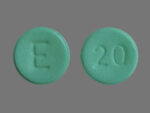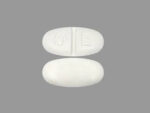
The short answer: the FDA label lists the usual Ativan dosage for anxiety as a starting dose of 2 to 3 mg a day, split into two or three doses. Across all adult patients the usual range is 2 to 6 mg a day, and the label lets prescribers go anywhere from 1 to 10 mg a day, usually with the largest dose at bedtime. For older or frail adults, the label suggests starting at 1 to 2 mg a day in divided doses. These are the figures prescribers work from. They are not instructions for adjusting your own dose.
This page is a reference handbook. It pulls the numbers from the official prescribing information into tables, then explains how a clinician usually picks, adjusts, and eventually stops a lorazepam dose. If your bottle says something different from what you read here, your prescription wins. Your pharmacist can check it against your other medicines.
Safety first: Ativan (lorazepam) is a benzodiazepine and carries an FDA boxed warning for abuse, misuse, and addiction, for physical dependence and withdrawal, and for serious risks when taken with opioids. Never stop it suddenly or take more than prescribed. If you are having thoughts of suicide, call or text 988 (Suicide & Crisis Lifeline). For a possible overdose, call 911 or Poison Control at 1-800-222-1222.
Ativan at a glance
Ativan is the brand name for lorazepam. It makes the brain’s main calming chemical, GABA, work harder, which lowers anxiety and causes drowsiness. The table below collects the basic facts you would find spread across several sections of the Ativan tablet label on DailyMed.
| Feature | What the label and reference sources say |
|---|---|
| Generic name | Lorazepam |
| Drug class | Benzodiazepine |
| Controlled substance status | Schedule IV (C-IV) |
| Tablet strengths | 0.5 mg, 1 mg, 2 mg (the 1 mg and 2 mg tablets are scored) |
| Oral concentrate (generic) | 2 mg per mL, measured with a marked dropper |
| Injection | 2 mg/mL and 4 mg/mL, IV or IM, used in hospitals and clinics |
| Extended-release capsules (Loreev XR) | 1 mg, 1.5 mg, 2 mg, 3 mg; taken once each morning |
| Who Loreev XR is for | Adults with anxiety disorders who are already stable on evenly divided, three-times-daily lorazepam tablets |
| Onset (tablets and liquid) | About 20 to 30 minutes |
| Peak blood level (tablets) | About 2 hours after a dose |
| Half-life | About 12 hours (inactive glucuronide metabolite: about 18 hours) |
| How it is cleared | Turned into an inactive glucuronide in the liver, then removed in urine |
| Bioavailability | About 90% of an oral dose reaches the bloodstream |
| Boxed warning | Abuse, misuse, and addiction; dependence and withdrawal; risk with opioids |
A few of these facts drive most dosing decisions. The 12-hour half-life explains why tablets are usually split into two or three doses a day. Liver processing that skips the CYP450 enzyme system means lorazepam has fewer interactions than some other benzodiazepines, though it still has some. And the Schedule IV status means refills are limited and tracked.
Ativan dosage for anxiety: label dosing table by situation
The tablet label gives a small number of dosing scenarios, and the Ativan dosage for anxiety is only one of them. Here they are side by side, followed by notes on what each one means in practice.
| Situation | Typical label dose | How it is usually given |
|---|---|---|
| Anxiety disorders (most adults, starting) | 2 to 3 mg per day | Split into 2 or 3 doses through the day |
| Usual adult range | 2 to 6 mg per day | Divided doses; largest dose usually at bedtime |
| Full range allowed by the label | 1 to 10 mg per day | Divided doses, adjusted to response |
| Insomnia from anxiety or short-term situational stress | 2 to 4 mg | Single dose, usually at bedtime |
| Older adults or people who are frail or debilitated | 1 to 2 mg per day to start | Divided doses, raised only as needed and tolerated |
| Taking valproate or probenecid at the same time | About 50% of the usual dose | Prescriber reduces the lorazepam dose |
| Loreev XR (switching from tablets) | Same total daily mg as the tablets | Once daily in the morning |
| Children under 12 | Not established | Safety and effectiveness not shown for tablets |
Reading the numbers correctly
The Ativan max dose in the label is 10 mg per day, but that ceiling describes the top of the studied range, not a target. Most people with anxiety are prescribed far less. A common pattern is Ativan 0.5 mg two or three times a day, or Ativan 1 mg two or three times a day, with the total kept as low as works.
Say a prescriber writes for 1 mg three times a day. That adds up to 3 mg a day, which sits at the top of the label’s usual starting range for anxiety. An older adult might instead get 0.5 mg twice a day, or 1 mg a day in total. The difference reflects how strongly age raises the risk of sedation and unsteadiness.
Hospital-only uses: injection
Ativan injection is approved for two very different jobs: stopping status epilepticus (a seizure that will not end) and sedating adults before surgery. Those doses are given by IV or into a muscle under medical monitoring, and they don’t apply to anxiety pills taken at home. If you read about “4 mg Ativan” in a seizure context, it is talking about emergency care, not anxiety treatment.
How prescribers choose and adjust a dose
The label says the dose, how often it’s taken, and how long treatment lasts should all be fitted to the person. In practice, prescribers weigh a few recurring factors when they set an Ativan dosage for anxiety. Here is how each one shapes the lorazepam dosage for anxiety.
Starting low
Most prescribers begin at or below the label’s starting range and see how the person responds. Starting low limits daytime drowsiness, slowed thinking, and unsteadiness, the side effects people notice most often. Someone who has never taken a benzodiazepine often feels a meaningful effect from 0.5 mg.
Starting low also matters for long-term safety. The label notes that higher doses and longer use both raise the risk of withdrawal reactions later. A smaller dose today can make stopping easier down the road. For a closer look at what to expect early on, see our guide to common and serious Ativan side effects.
Divided dosing
Because blood levels peak around two hours after a tablet and fall off over the following hours, a single morning dose usually won’t cover a whole day. That is why the label describes splitting the daily total into two or three doses. When a dose has to go up, the label says to raise the evening dose before the daytime doses. This puts more of the sedation at night, when it does the least harm.
Scheduled vs. as-needed dosing
The tablet label describes scheduled, divided dosing. It does not set out an “as-needed” plan. Even so, many prescribers write lorazepam “as needed” for occasional spikes of anxiety, such as a panic episode, a flight, or a medical procedure. That is a clinical choice that should come with clear limits: the most you may take in one dose, the minimum time between doses, and the most per day.
Each approach has trade-offs. Scheduled doses keep levels steadier but build physical dependence faster. As-needed doses can mean less total drug, but the quick relief can teach the habit of reaching for a pill whenever anxiety rises. Ask your prescriber which pattern fits you and why. If you have questions about how lorazepam compares with other fast-acting options, our Xanax and Ativan comparison covers onset and duration differences.
Titration and tapering
Raising the dose (titration) is meant to be gradual. Prescribers usually wait a few days between changes so they can see the full effect, especially on sleepiness and balance. If anxiety is still not controlled at a moderate dose, many clinicians look at other treatments before pushing the benzodiazepine higher.
Lowering the dose (tapering) needs even more care. The 2025 Joint Clinical Practice Guideline on Benzodiazepine Tapering, developed by ten US medical societies including the American Psychiatric Association and the American Society of Addiction Medicine, describes how clinicians plan this. Its key points:
- Tapers are shared decisions between patient and clinician, not something forced on a person.
- Clinicians usually start with reductions of about 5% to 10% every 2 to 4 weeks.
- The pace generally should not go beyond a 25% cut every 2 weeks.
- The plan can pause or slow down if withdrawal symptoms show up.
The Ativan label agrees: if withdrawal appears, the taper may pause or return to the previous step, then continue more slowly. Never try to do this on your own. Stopping too fast can cause rebound anxiety, insomnia, and, in some cases, seizures. Our guide to Ativan withdrawal symptoms and timelines explains what supervised tapering looks like. If you are struggling with misuse or dependence, the SAMHSA National Helpline (1-800-662-4357) is free, confidential, and open 24/7.
Liver, kidney, and breathing considerations
Lorazepam skips the main liver enzyme pathway, so clinicians often prefer it over longer-acting benzodiazepines in people with liver disease. That doesn’t make it risk-free. The label says lower doses may be enough in severe liver impairment and warns that benzodiazepines can worsen hepatic encephalopathy, a liver-related confusion state.
For kidney problems, the label asks for the usual precautions but gives no set dose cut. Breathing is a bigger concern. The label calls for caution in people with COPD, sleep apnea, or other conditions that weaken breathing, because lorazepam can slow breathing further. If anxiety is showing up as breathlessness, it helps to rule out other causes first. Our article on whether anxiety can cause shortness of breath covers the warning signs that need prompt care.
Lorazepam dose for elderly patients
The label notes that sedation and unsteadiness become more common with age. That is why the starting lorazepam dose for elderly or frail adults is 1 to 2 mg a day, split up, rather than 2 to 3 mg. The American Geriatrics Society’s Beers Criteria lists benzodiazepines as potentially inappropriate for most older adults because of links to confusion, falls, and fractures.
In practice, many clinicians who prescribe for older patients use 0.5 mg doses, review the need often, and ask family members to watch for new confusion or unsteady walking. Night-time trips to the bathroom are a common time for falls, so bedtime doses deserve extra caution.
Switching to or from Loreev XR
Loreev XR is an extended-release lorazepam capsule taken once a day. According to its Loreev XR prescribing information, it is not a starting medicine. It is only for adults with anxiety disorders who are already stable on lorazepam tablets taken three times a day in equal doses.
| Current tablet regimen | Total per day | Loreev XR once-daily equivalent |
|---|---|---|
| 0.5 mg three times daily | 1.5 mg | 1.5 mg each morning |
| 1 mg three times daily | 3 mg | 3 mg each morning |
| 2 mg three times daily | 6 mg | Total of 6 mg each morning (for example, two 3 mg capsules), as prescribed |
Under the label, the first capsule is taken the morning after the last tablet dose. Capsules are swallowed whole, or opened and sprinkled over a tablespoon of applesauce and swallowed within two hours without chewing. If a dose change is needed, the label says to go back to tablets, adjust there, and only return to Loreev XR once the person is stable again. The same applies if a drug that blocks lorazepam’s breakdown (a UGT inhibitor) is started.
Loreev XR doesn’t work faster. Its blood levels peak much later than tablets (a median of about 14 hours after a single dose), so it is about convenience and steadier levels, not quick relief.
How long should Ativan be used for anxiety?
Any Ativan dosage for anxiety also comes with a time frame. This is where the label and real-world guidance line up most clearly. The Ativan label says its effectiveness for anxiety beyond four months has not been tested in systematic clinical studies, and it asks prescribers to check from time to time whether the drug is still needed. It also says anxiety from everyday stress usually doesn’t call for an anti-anxiety medicine at all.
Other health bodies are stricter. The NHS lorazepam guide says it is not recommended for longer than four weeks. The National Institute of Mental Health notes that benzodiazepines act quickly but can lead to tolerance and dependence, so providers usually prescribe them only for short periods.
What usually comes first
For long-lasting anxiety disorders, benzodiazepines are generally a second-line or short-term tool. NIMH describes cognitive behavioral therapy (CBT) as the gold-standard talk therapy for generalized anxiety disorder and lists SSRI and SNRI antidepressants as common medicine options. In the UK, NICE says benzodiazepines should not be used routinely for anxiety disorders, with exceptions such as short-term care during a crisis.
| Option | How fast it helps | Typical role |
|---|---|---|
| CBT and other talk therapy | Weeks; skills build over time | First-line, lasting benefit |
| SSRIs / SNRIs | Several weeks | First-line medicine for ongoing anxiety |
| Lorazepam (Ativan) | About 20 to 30 minutes | Short-term relief, crisis use, or bridging |
Bridging while an SSRI starts working
Because SSRIs and SNRIs take several weeks to help, some prescribers add a short course of lorazepam at the start. The idea is to ease symptoms during that gap, then taper the lorazepam once the antidepressant is working. A sound bridging plan usually has a planned end date and a taper schedule agreed at the start, not open-ended refills.
The label adds one more caution here. Benzodiazepines can unmask or worsen depression, and they should not be used alone in someone with depression without proper antidepressant treatment. If low mood or thoughts of self-harm appear, contact your prescriber right away or call or text 988.
Approximate benzodiazepine equivalents
People who switch between benzodiazepines often ask how lorazepam “compares” in strength. The UK NHS Specialist Pharmacy Service publishes a reference table of approximately equivalent oral benzodiazepine doses (last fully reviewed July 2025). Its figures are shown below.
| Medicine | Dose roughly equal to diazepam 5 mg |
|---|---|
| Diazepam (Valium) | 5 mg |
| Lorazepam (Ativan) | 0.5 mg |
| Alprazolam (Xanax) | 0.25 mg |
| Clonazepam (Klonopin) | 0.25 mg |
| Chlordiazepoxide | 12.5 mg |
| Oxazepam | 10 mg |
| Temazepam | 10 mg |
Important caveat: these numbers are rough guides, not conversion rules. Sources disagree. The 2025 US tapering guideline, for example, groups up to 2 mg of lorazepam with up to 10 mg of diazepam, while the SPS figures put about 1 mg of lorazepam level with 10 mg of diazepam. Benzodiazepines differ in half-life, onset, and how each person responds. Switching from one to another is a job for your prescriber, often done step by step with close follow-up. Never swap or combine benzodiazepines on your own.
Lorazepam’s shorter half-life is one reason prescribers sometimes move people to a longer-acting drug during a taper, and one reason others avoid doing so. For how these medicines differ beyond potency, see our comparisons of Ativan and Klonopin and Klonopin versus Valium.
Safety rules for every dose
These rules apply whether you take 0.5 mg once in a while or a scheduled dose every day.
Know the boxed warning
In September 2020, the FDA required an updated boxed warning for all benzodiazepines. It covers three risks:
- Abuse, misuse, and addiction. Taking more than prescribed, or with alcohol or other drugs, raises the risk of overdose and death.
- Dependence and withdrawal. The FDA notes physical dependence can develop after several days to weeks of steady use, even when taken as prescribed. Stopping suddenly or cutting the dose too fast can cause withdrawal reactions, including seizures, that may be life-threatening.
- Danger with opioids. Combining benzodiazepines with opioid pain medicines or cough syrups can cause deep sedation, slowed breathing, coma, and death.
Opioids and other sedatives
If you take any opioid, including tramadol, hydrocodone, oxycodone, or codeine cough syrup, make sure every prescriber knows about your lorazepam. Sleep aids, some antihistamines, muscle relaxers, gabapentin, and pregabalin can also add to the sedation. Your pharmacist can run an interaction check on your whole list.
Two specific interactions change lorazepam doses directly. The label says lorazepam should be cut to about half when taken with valproate (a seizure and mood medicine) or probenecid (a gout medicine), because both slow its removal from the body.
Alcohol
The Ativan Medication Guide tells patients not to drink alcohol while taking it without first talking to their provider. Alcohol and lorazepam both slow the brain and breathing, and the effects stack. Our full guide to mixing Ativan and alcohol covers why even a few drinks can be risky.
Driving and machinery
Don’t drive, operate machinery, or do anything that needs full alertness until you know how lorazepam affects you. Drowsiness and slower reactions can linger for hours, and the next morning can feel foggy after a bedtime dose. How long the drug remains detectable is a separate question from how long it affects you; our explainer on how long Ativan stays in your system covers both.
If you miss a dose
MedlinePlus lorazepam guidance says to skip a missed dose and take the next one at the usual time. Never take two doses to make up for one. The NHS gives a slightly different window for daytime anxiety doses, so if you’re unsure, follow your own prescription label or call your pharmacist.
Overdose warning signs
Signs of too much lorazepam range from heavy drowsiness to coma. Watch for:
- Extreme sleepiness or confusion
- Slurred speech and poor coordination
- Weak or floppy muscles and slowed reflexes
- Slow or shallow breathing, or a slow heartbeat
- Being hard to wake or not waking up
If someone has collapsed, had a seizure, has trouble breathing, or can’t be woken, call 911. For other concerns about a possible overdose, call Poison Control at 1-800-222-1222. The risk is much higher if opioids or alcohol are involved.
Storage and disposal
- Keep tablets in the original, tightly closed bottle at room temperature (the label lists 77°F, with short ranges of 59°F to 86°F allowed).
- Avoid bathrooms, where heat and moisture can damage tablets.
- Store it where children, teens, and visitors can’t reach it. A locked box is a good idea for any controlled substance.
- Count your tablets now and then so you notice if any go missing.
- Never share lorazepam or take someone else’s. Giving it away is illegal and dangerous.
- Don’t flush leftovers. Use a medicine take-back program or ask your pharmacy about disposal options.
Pregnancy and breastfeeding
The label notes that using benzodiazepines late in pregnancy can cause sedation or withdrawal symptoms in the newborn, and that lorazepam passes into breast milk. If you are pregnant, planning a pregnancy, or nursing, talk with your prescriber before changing anything. Stopping suddenly carries its own risks.
Questions to bring to your prescriber
A short checklist can make a dosing appointment more useful:
- What is my total daily limit, and how far apart should doses be?
- Is this a scheduled or as-needed prescription, and what counts as “needed”?
- How long do you expect me to take it, and when will we review it?
- What is the longer-term plan: therapy, an SSRI or SNRI, or something else?
- Do any of my other medicines, supplements, or health conditions change my dose?
- When the time comes, how will we taper, and who do I call if withdrawal symptoms start?
Frequently asked questions
How long does Ativan take to work for anxiety?
Lorazepam tablets and liquid usually start working in about 20 to 30 minutes, according to the NHS, and blood levels peak around two hours after a dose. The sedating effect generally lasts about 6 to 8 hours. Loreev XR capsules work differently and are designed for steady levels, not quick relief.
Is Ativan 0.5 mg a low dose?
Yes. 0.5 mg is the smallest tablet strength, and it is a common single dose for anxiety, especially for older adults or people new to benzodiazepines. Even so, it can cause drowsiness and impaired coordination, and the boxed warning still applies.
What is the Ativan max dose per day?
The tablet label’s range goes up to 10 mg per day in divided doses. That is a ceiling for prescribers, not a goal, and most people with anxiety take much less. Never go above the amount on your prescription. If your current dose isn’t working, talk to your prescriber rather than taking extra.
Can I cut an Ativan tablet in half?
The 1 mg and 2 mg Ativan tablets are scored, which allows them to be split. The 0.5 mg tablet is not scored. Generic tablets can look different, so only split tablets if your prescriber or pharmacist says it’s fine for your specific product. Never crush or open Loreev XR capsules other than as the label describes.
Can I stop taking Ativan once my anxiety feels better?
If you’ve taken it regularly for more than a short time, don’t stop on your own. Stopping suddenly can cause rebound anxiety, insomnia, and in some cases seizures. Your prescriber can plan a gradual taper based on your dose, how long you’ve taken it, and how you respond. Occasional, infrequent doses carry less risk, but check with your prescriber either way.
Medical disclaimer: Only your prescriber can set or change an Ativan dose. Dosing figures come from FDA-approved labeling and published guidance and describe what prescribers may use. They are not instructions to start, change, or stop any medicine. Always follow your own prescription, and ask your doctor or pharmacist about your situation. In an emergency, call 911.
References
- ATIVAN (lorazepam) tablets, prescribing information and Medication Guide. DailyMed, U.S. National Library of Medicine (label revised 2025).
- LOREEV XR (lorazepam) extended-release capsules, prescribing information. DailyMed, U.S. National Library of Medicine.
- FDA requiring Boxed Warning updated to improve safe use of benzodiazepine drug class. U.S. Food and Drug Administration, September 2020.
- Joint Clinical Practice Guideline on Benzodiazepine Tapering. American Society of Addiction Medicine and partner societies, 2025.
- Oral benzodiazepines and choosing equivalent doses. NHS Specialist Pharmacy Service, updated July 2025.
- Generalized Anxiety Disorder: When Worry Gets Out of Control. National Institute of Mental Health.
- About lorazepam. NHS medicines information.
- Lorazepam drug information. MedlinePlus, U.S. National Library of Medicine (revised November 2025).